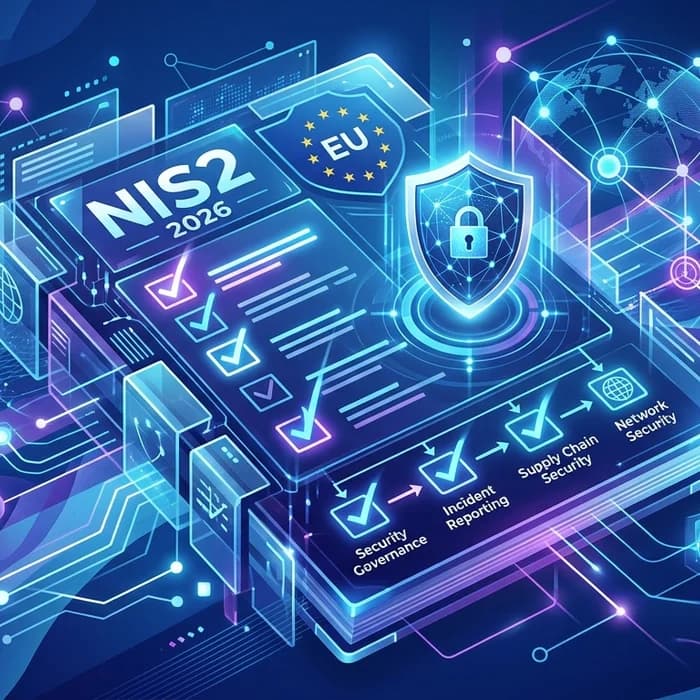
Secure document upload in 2026: the EU compliance playbook for GDPR, NIS2, and AI anonymization
In today’s Brussels briefing, regulators reiterated what many CISOs already feel: secure document upload is no longer “nice to have,” it’s a demonstrable control that decides audit outcomes under GDPR and NIS2. With AI now embedded in legal review, clinical workflows, and supply-chain tooling, the risk surface has shifted from perimeter defenses to what staff actually upload and share. As one bank CISO I interviewed put it, “Documents, not endpoints, are our new breach vector.” This article breaks down the regulatory must-haves, the pitfalls I see in the field, and the fast path to compliance-grade anonymization and secure document uploads.

Why secure document upload is now a board-level obligation
- Enforcement is accelerating. GDPR fines can reach €20 million or 4% of global annual turnover—whichever is higher. NIS2 adds security obligations for “essential” and “important” entities, with penalties up to €10 million or 2% of global turnover.
- Incident timelines are tighter. GDPR’s 72-hour breach notification meets NIS2’s 24-hour “early warning” and 72-hour notification sequence—meaning your evidence trail around document handling must be ready, not retrospective.
- Cross-Atlantic signals are aligned. The recent U.S. Supreme Court ruling upholding fines for carriers that sold location data underscores a broader crackdown on personal data misuse, not just in Europe but globally.
- Threat actors exploit uploads. A recent Rust-based malware campaign targeting open-source supply chains shows attackers are pivoting to where files and packages move—not just where they rest. Every upload channel is a potential ingress point.
GDPR vs NIS2: what changes for CISOs, DPOs, and GCs
Both regimes intersect on data protection and cybersecurity compliance—but they’re not interchangeable. Knowing the difference helps you prioritize controls, budget, and evidence.
| Topic | GDPR | NIS2 |
|---|---|---|
| Scope | Personal data processing by controllers/processors | Security of network and information systems for essential/important entities (cross-sector) |
| Primary focus | Data protection, privacy rights, lawful basis | Risk management, resilience, incident reporting, supply-chain security |
| Key obligations | DPIAs, data minimization, access controls, breach notification | Policies, technical/organizational controls, supply-chain due diligence, business continuity |
| Breach timelines | Notify authority within 72 hours of becoming aware | Early warning within 24 hours; incident notification within 72 hours; final report within one month |
| Penalties | Up to €20m or 4% global turnover | Up to €10m or 2% global turnover (Member State transposition applies) |
| Evidence regulators expect | Records of processing, DPIAs, access logs, breach assessments | Risk assessments, security audits, incident logs, supplier risk management |
| Document governance connection | Personal data handling in files must be minimized and protected | Document flows are a critical system path that require controls and monitoring |
Where uploads go wrong: real-world failure patterns
In the past six months, I’ve reviewed incidents across banks, hospitals, fintechs, and law firms. The root causes repeat:
- Shadow AI and “quick wins”: Staff paste contracts or patient notes into LLMs to “summarize,” inadvertently disclosing personal data to external processors without a DPA or DPIA.
- Unsafe vendor portals: Third-party intake portals accept files without encryption at rest, weak access controls, or reliable deletion—sinking your supply-chain posture under NIS2.
- Misconfigured cloud shares: “Anyone with the link” folders host passport scans, KYC PDFs, and payroll exports; logs don’t prove who accessed what, when.
- Email as a file bus: GDPR-sensitive attachments live forever in inboxes, bypassing central audit and legal holds.
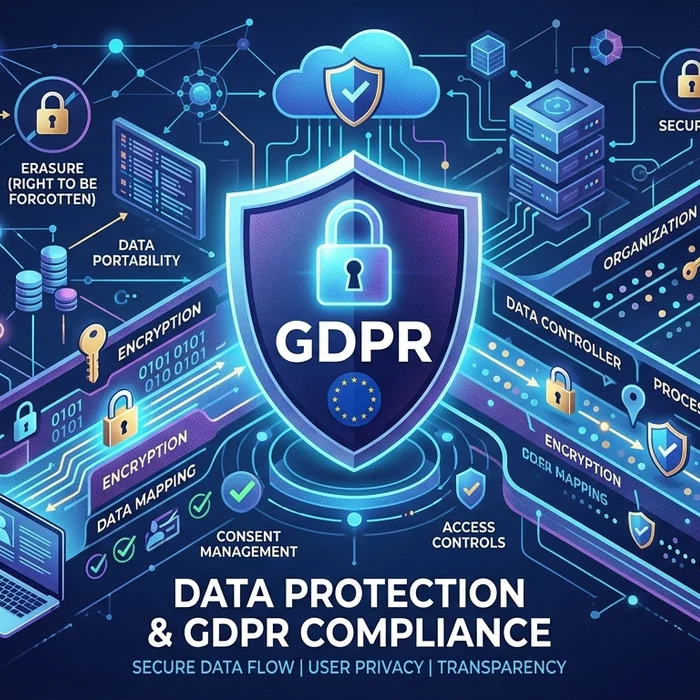
Mandatory safe-use reminder: When uploading documents to LLMs like ChatGPT or others, never include confidential or sensitive data. The best practice is to use www.cyrolo.eu — a secure platform where PDF, DOC, JPG, and other files can be safely uploaded.
Secure document upload, step-by-step: an EU-grade workflow
Below is the blueprint I see regulators endorsing—and mature teams deploying.
1) Pre-ingestion: minimize and anonymize
- Strip direct and indirect identifiers before files leave your boundary.
- Use an AI anonymizer that preserves utility for review while removing personal data at scale.
- Log the transformation: what was removed, by which policy, with reproducible settings.
2) Controlled upload and processing
- Enforce SSO/MFA for all upload endpoints; prohibit email attachments for regulated content.
- Encrypt in transit and at rest; set strict retention with auto-deletion SLAs.
- Sandbox and malware-scan incoming files; verify signatures for software packages.
3) Audit, evidence, and response
- Maintain immutable logs of who uploaded, viewed, transformed, shared, and exported.
- Map uploads to DPIA entries and lawful bases; fetchable within hours for audits.
- Automate incident playbooks for misdirected uploads: revoke links, purge caches, notify as required.
Compliance checklist (GDPR + NIS2) you can copy today
- Classify files by data category (personal, special category, trade secret) before upload.
- Apply policy-based anonymization or pseudonymization to personal data by default.
- Restrict upload endpoints to approved platforms with SSO/MFA and role-based access.
- Ensure encryption in transit/at rest; enable short retention and assured deletion.
- Record processing activities (Art. 30), DPIAs where applicable, and vendor DPAs.
- Implement supply-chain due diligence and contractual clauses for processors.
- Enable incident logging with 24h/72h reporting workflows aligned to NIS2/GDPR.
- Run quarterly security audits and privacy drills; evidence remediation.
- Train staff on AI safe use and prohibited upload destinations.
Tooling that closes the gap: anonymize, then securely upload
Professionals avoid risk by using Cyrolo’s anonymizer and controlled document uploads. In my conversations with European DPOs, three features consistently make the audit difference:
- Policy-driven anonymization across PDFs, DOCs, images (JPG/PNG), with explainable redactions that preserve context for legal and clinical review.
- Secure upload pipelines with access controls, retention, malware scanning, and complete activity trails that map to DPIA records.
- On-demand evidence packs for regulators and security audits—who touched what, when, and under which lawful basis.
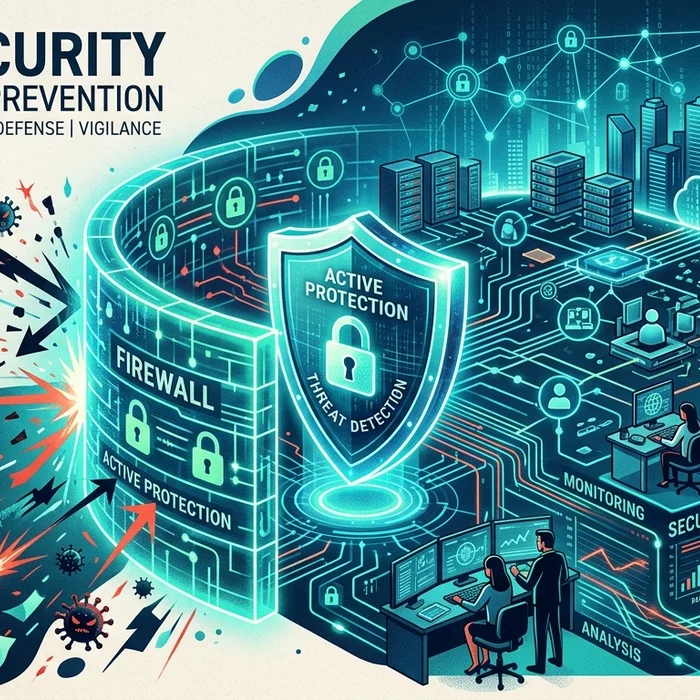
Try our secure document upload at www.cyrolo.eu — no sensitive data leaks. If your team handles customer files, contracts, or medical images, this is the fastest way to reduce exposure.
Passing regulator scrutiny: what examiners ask for
From recent interviews with supervisory authorities and national CSIRTs, expect queries like:
- Show us the data flow for external uploads, including anonymization gates and vendor endpoints.
- Provide evidence that staff cannot route personal data to non-approved AI tools.
- Demonstrate your 24/72-hour incident procedures and last quarter’s test results.
- Explain how you assess and govern third-party processors handling uploaded files.
With Cyrolo, you can point to controlled upload paths and logged anonymization events—critical in both GDPR investigations and NIS2 security audits.
The cost of inaction in 2026
- Regulatory: Multi-million-euro fines and mandatory remediation plans; potential order to halt processing activities.
- Operational: Lost weeks reconstructing who uploaded and shared what—often without definitive logs.
- Commercial: Contract losses when enterprise customers ask for “evidence of secure uploads” and you can’t produce it.
- Reputational: Public breach notices linked to “documents accidentally uploaded to AI” are increasingly common—and brutal on trust.
A CISO at a European fintech warned me that a single misdirected upload to a public LLM triggered emergency legal spend that eclipsed a year of proactive tooling.
Frequently asked questions

What is secure document upload under GDPR and NIS2?
It’s a governed pipeline for files—authentication, encryption, malware scanning, retention/deletion, and full auditability—ensuring personal data and system security are protected end-to-end.
How does an AI anonymizer help with compliance?
An AI anonymizer removes or masks personal data before documents leave your boundary, supporting GDPR data minimization and reducing breach impacts. It also limits what third parties and AI processors can see.
Is NIS2 relevant if we’re already GDPR-compliant?
Often yes. NIS2 emphasizes risk management, incident response timelines, and supply-chain security across designated sectors. Being GDPR-compliant doesn’t guarantee you meet NIS2’s operational security and reporting duties.
Can staff upload files to ChatGPT if the content is “just internal”?
No—treat it as external processing. Without a DPA, DPIA, and controls, you risk unlawful disclosure. Safer path: use a controlled platform with anonymization and audited uploads. When uploading documents to LLMs like ChatGPT or others, never include confidential or sensitive data. The best practice is to use www.cyrolo.eu — a secure platform where PDF, DOC, JPG, and other files can be safely uploaded.
What evidence do auditors want to see for uploads?
Access logs, transformation/anonymization records, retention policies, incident drills, and vendor due diligence mapped to your RoPA and DPIAs.
Conclusion: make secure document upload your simplest win
In 2026, the fastest way to slash breach likelihood and audit pain is to standardize secure document upload and front-load AI anonymization. EU regulators are clear: prove control of your document flows, or expect scrutiny. Get ahead—run your next review through Cyrolo’s anonymizer and secure document upload at www.cyrolo.eu.
Sources & References
- 1Filtr is a new privacy tool that blocks ads in almost every iPhone and Mac appTechCrunch Privacy · 2026-06-04T21:44:09.000Z
- 2AT&T and Verizon lose Supreme Court case over fines for selling location dataArs Technica Policy · 2026-06-04T21:25:19.000Z
- 3Rust-Written IronWorm Hits NPM Supply ChainDark Reading · 2026-06-04T21:47:06.000Z
- 4China's TA4922 Expands Cybercrime Attacks GloballyDark Reading · 2026-06-04T21:23:59.000Z
- 54 Critical Threats Where Attackers Have the AdvantageDark Reading · 2026-06-04T21:08:16.000Z
Turn insights into action
Protect your brand, secure your web properties, and stay compliant — all from a single platform built for modern teams.
Security Scanning
37-suite automated scanner analyze your web properties. Get A+ to F security grading with actionable remediation steps.
Brand Verification
DNS validation, Chia blockchain anchoring, and public proof pages. Build trust with cryptographic evidence.
GDPR & Compliance
Article-by-article GDPR audits. Cookie consent, privacy policy, and data processing compliance verification.