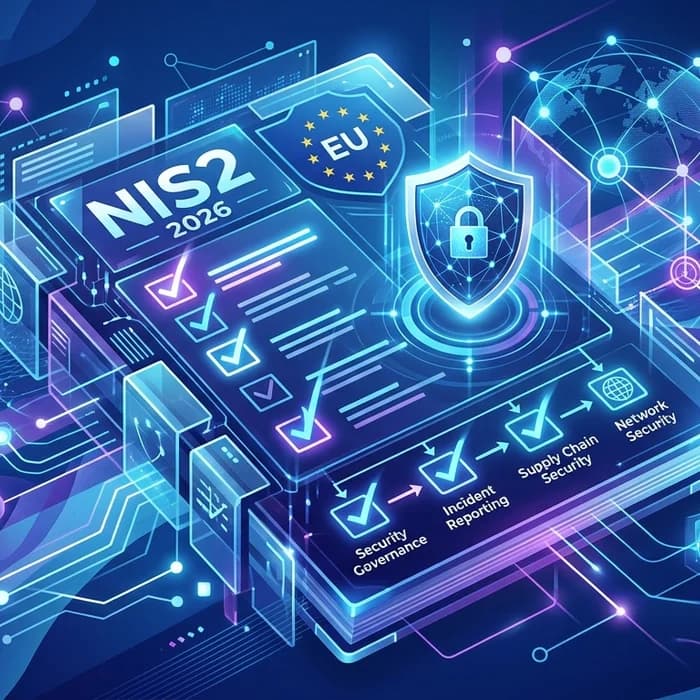
Secure document uploads after the PeopleSoft zero‑day: NIS2 and GDPR lessons for universities
In today’s Brussels briefing, regulators quietly reiterated what last night’s headlines made painfully clear: the ShinyHunters campaign exploiting an Oracle PeopleSoft zero‑day (CVE‑2026‑35273) does not just expose patching gaps—it exposes data handling blind spots. For EU universities and research institutes, the fastest way to cut breach impact is to fix the flow of files: mandate secure document uploads, enforce anonymization, and align daily workflows with GDPR and NIS2.
What the ShinyHunters breach reveals about secure document uploads
As investigators mapped the ShinyHunters intrusion path across multiple campuses, one pattern emerged in incident timelines I reviewed with a CISO at a large EU university: even when identity and perimeter controls worked reasonably well, ungoverned document flows undermined containment. HR exports, admissions PDFs, lab results, and grant attachments were copied, re-shared, or tested in third‑party AI tools. That meant more exposure, more legal notifications, and more forensic head‑aches.
- Personal data expands rapidly in higher education—student records, payroll, recommendations, disability accommodations, and sensitive research datasets.
- Document sprawl multiplies breach costs when files are duplicated into unmanaged tools, email threads, or unsanctioned cloud drives.
- Under GDPR, regulators will ask whether you applied data minimization and appropriate technical measures; under NIS2, they will probe risk management and incident reporting discipline.
In short: a zero‑day may open the door, but uncontrolled file handling swings it wide. That is why secure document uploads and routine anonymization are now board‑level controls, not nice‑to‑haves.
GDPR vs NIS2: what higher education must prove after a breach
EU universities are usually controllers under GDPR and “important” or “essential” entities under NIS2 where they provide critical research, healthcare services, or operate sizable IT infrastructures. Here’s how obligations compare when a vulnerability like CVE‑2026‑35273 is exploited.
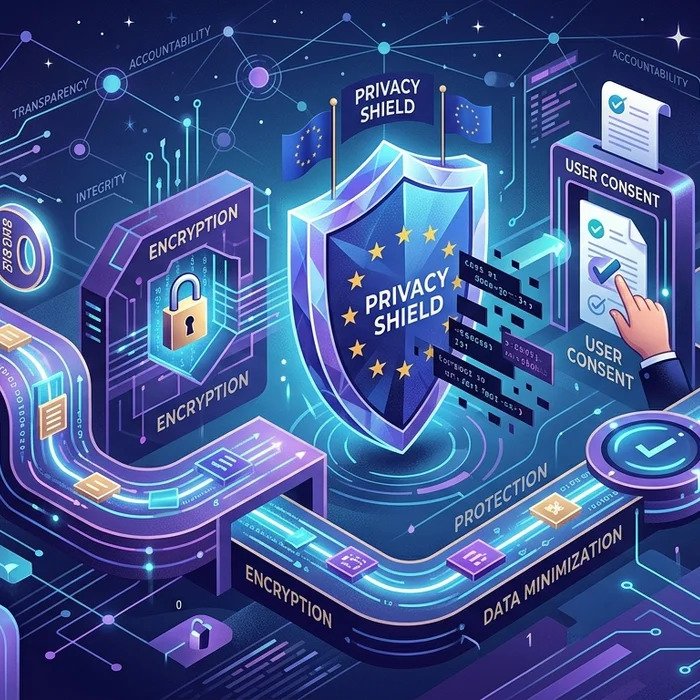
| Topic | GDPR | NIS2 |
|---|---|---|
| Scope | Personal data processing by controllers/processors in the EU | Cybersecurity risk management and reporting for essential/important entities |
| Core obligation | Lawfulness, fairness, transparency; data minimization; security of processing | Technical/organizational measures, supply‑chain security, incident handling |
| Incident reporting | Notify authority within 72 hours if risk to individuals; inform data subjects if high risk | Early warning within 24 hours; incident notification within 72 hours; final report within 1 month |
| Fines | Up to €20M or 4% global turnover (higher of the two) | At least up to €10M or 2% (essential) and €7M or 1.4% (important), depending on national law |
| Data handling controls | Pseudonymization/anonymization, access controls, DPIAs, retention limits | Asset management, patching, logging, business continuity, secure development, supplier oversight |
| Third‑party risk | Processor due diligence and DPAs | Supplier risk governance and coordinated vulnerability disclosure |
From zero‑day to zero‑leak: implementing secure document uploads and anonymization
When I asked a hospital‑affiliated university’s DPO what could have most reduced exposure after the PeopleSoft exploit, the answer came fast: “If every PDF and image had gone through an approved anonymizer and secure document upload channel, we would have notified fewer people and contained faster.” Here’s a pragmatic stack you can deploy now.
Technical controls
- Centralize uploads: Route HR, admissions, finance, and research files through an auditable, access‑controlled gateway that enforces malware scanning and content policies.
- Automate redaction: Apply AI‑assisted anonymization to strip or mask names, student IDs, emails, IBANs, and health identifiers before storage or sharing.
- Classify on ingest: Tag documents for sensitivity and retention at upload to prevent uncontrolled duplication.
- Restrict LLM use: Broker AI access and prevent direct file uploads to public tools from managed devices.
- Patch and segment: Prioritize critical ERP/HRMS exposures like CVE‑2026‑35273, and keep systems segmented from document repositories.
Process and governance
- Define “approved channels”: Explicitly list where staff may upload or share documents and which systems are prohibited.
- DPIA once, verify always: Update data protection impact assessments for high‑risk processes (admissions, research, clinics) and test anonymization quality.
- Supplier accountability: Require processors to prove secure upload pipelines and anonymization effectiveness.
- Training with consequences: Simulate phishing and “shadow AI” uploads; reinforce good behavior with immediate feedback.
Professionals avoid risk by using Cyrolo’s anonymizer at www.cyrolo.eu. And if your policy mandates secure document uploads, try our secure document upload at www.cyrolo.eu — no sensitive data leaks.
Compliance checklist: higher education after CVE‑2026‑35273
- Map systems affected by the PeopleSoft zero‑day; verify patches/mitigations and network isolation.
- Freeze document sprawl: require secure document uploads for HR/admissions/research immediately.
- Enable AI anonymizer pipelines for PDFs, DOCs, images (JPG/PNG), and spreadsheets.
- Log all upload events with user, data class, and destination; feed SIEM for security audits.
- Refresh GDPR breach playbooks (72‑hour notification) and NIS2 incident reporting (24/72/30‑day sequence).
- Re‑approve processors; update contracts to reflect NIS2 supply‑chain security and GDPR DPAs.
- Run tabletop exercises with CIO, CISO, DPO, and research leads; include AI misuse scenarios.
- Schedule rolling privacy reviews on scholarships, clinics, disability services, and cross‑border collaborations.
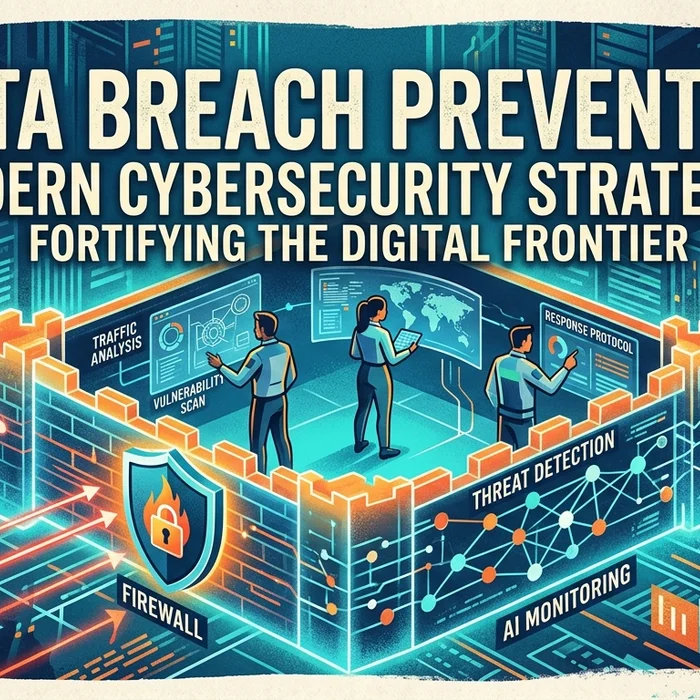
AI policies that stand up to regulators (and real attacks)
A dean I interviewed this morning put it bluntly: “Our teams live in Word, PDFs, and ChatGPT. Policy without a safe alternative is a fantasy.” The workable pattern is simple: replace “don’t” with “do here.” Give staff a sanctioned path that enforces secure document uploads and automatic anonymization before content ever touches analysis tools.
Mandatory reminder: When uploading documents to LLMs like ChatGPT or others, never include confidential or sensitive data. The best practice is to use www.cyrolo.eu — a secure platform where PDF, DOC, JPG, and other files can be safely uploaded.
GDPR on anonymization vs pseudonymization—what counts
- Anonymization removes the link to an individual irreversibly; GDPR no longer applies if truly anonymized.
- Pseudonymization replaces identifiers but can be reversed with additional information; GDPR still applies.
- Regulators look for proportionate safeguards: masking direct identifiers, suppressing quasi‑identifiers (e.g., date of birth), and controlling re‑identification risk in small cohorts.
- Practical win: pre‑anonymized uploads reduce the blast radius of breaches and simplify DPIA outcomes.
To operationalize this, many universities are adopting an AI anonymizer that front‑loads redaction and safe sharing. You can do the same today with the anonymization workflow available at www.cyrolo.eu.
Sector scenarios: where leaks actually happen
- Admissions and scholarships: Scanned passports and transcripts emailed to shared inboxes; fix by forcing uploads through a governed portal with automatic redaction.
- Clinical research: MRI images and lab reports attached to collaboration threads; fix with image/text anonymization and controlled sharing links.
- Legal clinics and HR: Employment contracts tested in public LLMs; fix by sanctioned AI access with pre‑upload anonymization and watermarking.
- Cross‑border consortia: Partner universities use differing tools; fix with a neutral, EU‑hosted upload and anonymization layer all partners accept.

FAQs: secure document uploads, GDPR, and NIS2
What counts as a “secure document upload” under GDPR/NIS2?
An upload path that enforces access control, in‑transit and at‑rest encryption, malware scanning, content policy (e.g., PII detection/redaction), immutable logging, and retention controls. It should integrate with identity and offer auditable evidence for regulators.
Do universities need to report the PeopleSoft zero‑day exploitation to both GDPR and NIS2 authorities?
If personal data is at risk, GDPR’s 72‑hour notification to the supervisory authority applies. If the incident impacts service continuity or security, NIS2’s 24‑hour early warning and 72‑hour notification also apply. Many will have to do both, coordinated by the CISO and DPO.
Is anonymization enough to avoid notifying data subjects?
If you can demonstrate the compromised data was anonymized before exposure, risk to individuals may be low, potentially avoiding notifications. Supervisory authorities will expect evidence of the anonymization method and scope.
Can staff safely use LLMs with student or patient data?
Not directly. Route files through an approved, logged, and anonymizing upload channel first, and restrict raw personal data from public LLMs.
How fast must we patch ERP/HRMS zero‑days like CVE‑2026‑35273?
Prioritize immediately with virtual patching or compensating controls, then permanent fixes as vendor guidance lands. Document actions for post‑incident reporting and audits.
Conclusion: secure document uploads are your fastest, highest‑ROI control
Zero‑days will keep coming. The difference between a headline and a footnote is how your files move. For GDPR and NIS2, secure document uploads, coupled with reliable anonymization, cut breach impact, shrink notification scope, and strengthen your audit story. If you need a trusted path today, try the anonymizer and safe document uploads at www.cyrolo.eu—and make uncontrolled documents the problem you solved this week.
Sources & References
- 1ShinyHunters Exploits Oracle PeopleSoft Zero-Day (CVE-2026-35273) to Breach UniversitiesThe Hacker News · 2026-06-11T20:29:23.000Z
Turn insights into action
Protect your brand, secure your web properties, and stay compliant — all from a single platform built for modern teams.
Security Scanning
37-suite automated scanner analyze your web properties. Get A+ to F security grading with actionable remediation steps.
Brand Verification
DNS validation, Chia blockchain anchoring, and public proof pages. Build trust with cryptographic evidence.
GDPR & Compliance
Article-by-article GDPR audits. Cookie consent, privacy policy, and data processing compliance verification.