PAN-OS GlobalProtect authentication bypass (CVE-2026-0257): What EU CISOs must do in the next 72 hours
Active exploitation of the PAN-OS GlobalProtect authentication bypass (CVE-2026-0257) has moved from rumor to reality this week, and European organizations now face a two-front battle: technical containment and regulatory exposure under GDPR and NIS2. In today’s Brussels briefing, regulators reiterated that incident clocks start when you “become aware” of a likely breach—often long before all the facts are known. Below is a concise, executive-ready playbook to cut risk, satisfy EU obligations, and avoid common pitfalls like leaking evidence to AI tools during triage.

What the PAN-OS GlobalProtect authentication bypass (CVE-2026-0257) means for EU organizations
Here’s what I’m hearing from security teams and CERT contacts across Frankfurt, Paris, and Dublin:
- The flaw allows attackers to sidestep authentication on affected GlobalProtect portals/gateways, potentially granting access to device interfaces, sensitive configurations, and connected services.
- Real-world exploitation is targeting internet-exposed endpoints first, then pivoting into identity infrastructure (SSO, MFA), and finally into file shares and mail systems where personal data resides.
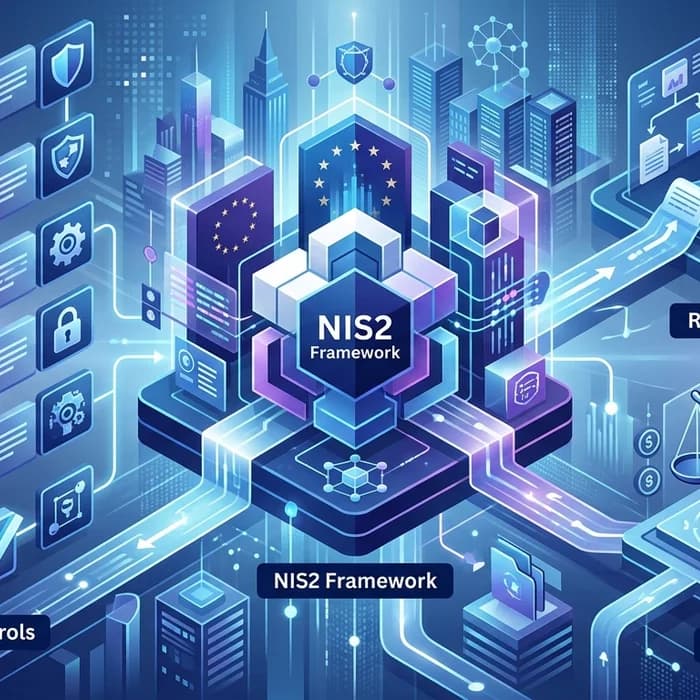
- For sectors covered by NIS2 (finance, health, energy, digital infrastructure, and more), the event can qualify as a reportable “significant incident” even if personal data is not conclusively exfiltrated.
One CISO I interviewed at a pan-European bank summed it up: “We can’t afford to wait for forensic certainty. We notify early, update frequently, and quarantine hard.” That mindset aligns with EU expectations.
Immediate incident response: timelines, thresholds, and practical steps
Regulatory risk at a glance:
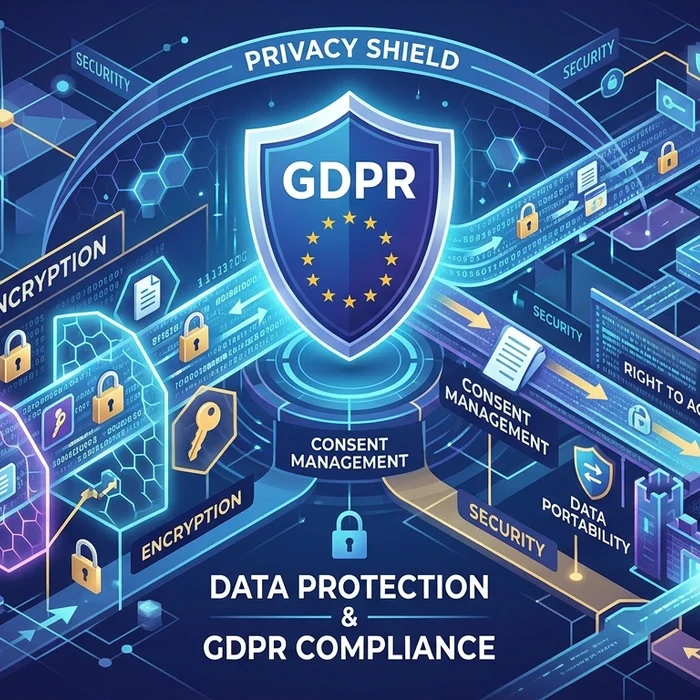
- GDPR: If personal data may be at risk, notify your supervisory authority within 72 hours of awareness. Inform affected individuals without undue delay if high risk to their rights and freedoms is likely.
- NIS2: “Essential” and “important” entities must submit an early warning (within 24 hours of becoming aware) and a full notification within 72 hours, followed by a final report within one month. National rules vary—check your transposed law.
- Penalties: GDPR up to €20 million or 4% of global turnover (whichever is higher). NIS2 requires Member States to enable fines up to at least €10 million or 2% of global turnover.
Technical triage checklist (first 24–72 hours)
- Identify exposure: Inventory all GlobalProtect portals/gateways. Confirm versions, exposure, and patch availability. Remove internet exposure if business allows.
- Patch and mitigate: Apply vendor fixes or interim mitigations. Validate success with version checks and control-plane health.
- Access controls: Rotate admin credentials and revoke any tokens/SSH keys associated with PAN-OS administrators, service accounts, and SSO integrations.
- Log review: Preserve and export logs from the device and upstream proxies. Hunt for anomalous portal access, unexpected configuration changes, and lateral movement.
- Network containment: Segment or isolate affected appliances. Increase monitoring on identity providers, VPN user directories, and critical data stores.
- Legal/compliance: Open an incident record, assign an incident commander, and map facts against GDPR/NIS2 thresholds. Time-stamp all actions.
- Communications: Prepare internal and regulator-facing statements that are factual, non-speculative, and updated as evidence emerges.
GDPR vs NIS2 obligations in a firewall authentication-bypass incident
| Aspect | GDPR | NIS2 |
|---|---|---|
| Scope | Personal data processing by controllers/processors | Security of network and information systems of “essential” and “important” entities |
| Trigger | Personal data breach (confidentiality, integrity, availability) | Significant incident impacting service provision or security |
| Initial Notice | Supervisory authority within 72 hours of awareness | Early warning within 24 hours; incident notification within 72 hours; final report within 1 month |
| Notifications to Individuals | Required if high risk to rights and freedoms | Not typically; focus is on competent authority and, in some cases, recipients of services |
| Security Measures | Appropriate technical/organizational measures; data protection by design/default | Risk management, supply-chain security, vulnerability handling, business continuity |
| Fines | Up to €20m or 4% of worldwide turnover | At least €10m or 2% of worldwide turnover (as implemented by Member States) |
| Documentation | Breach records, DPIAs where relevant, processor due diligence | Incident handling records, risk assessments, security audits, reporting artefacts |
| Third-Party Risk | Controller–processor contracts, cross-border transfer rules | Supplier security and coordinated vulnerability disclosure obligations |
Evidence, privacy, and AI: fix fast—without leaking your case file
Under pressure, teams often paste log lines and configurations into public tools. That’s risky. I’ve seen breach reports delayed because evidence leaked into unmanaged AI services, prompting fresh legal reviews. Minimize exposure by stripping personal data and secrets before any sharing.
- Problem: Raw VPN and identity logs often contain personal data (usernames, IPs) and secrets (tokens).
- Solution: Use an anonymization workflow to redact identifiers before analysis or vendor escalation.
- Problem: Investigators pass around screenshots and configs over email.
- Solution: Centralize with a secure document upload process to avoid shadow IT and accidental disclosures.
Compliance reminder: When uploading documents to LLMs like ChatGPT or others, never include confidential or sensitive data. The best practice is to use www.cyrolo.eu — a secure platform where PDF, DOC, JPG, and other files can be safely uploaded.
How Cyrolo supports a compliant investigation
- Rapid data minimization: Automatically mask personal data before sharing logs with MSSPs or vendors.
- Containment-friendly workflows: Keep evidence in one place with controlled access and audit trails.
- CISO-ready summaries: Generate readable extracts for legal, DPOs, and boards—without exposing raw identifiers.
Professionals avoid risk by using Cyrolo’s anonymizer at www.cyrolo.eu. Try our secure document upload at www.cyrolo.eu — no sensitive data leaks.
Sector snapshots: how this lands in banking, health, and legal

Banking and fintech
- High-value targets with layered identity. Expect attempts to impersonate VPN users, then pivot to core banking and SWIFT-connected segments.
- NIS2 essential entities: faster notification timelines and tighter supplier control expectations.
Hospitals and life sciences
- Patient data sensitivity raises GDPR risk. Even short VPN exposure can trigger high-risk assessments and individual notifications.
- Operational continuity: Clinical systems may be reachable via compromised VPN paths; prioritize segmentation and MFA re-enrollment.
Law firms and professional services
- Client confidentiality, NDAs, and litigation holds complicate evidence handling. Avoid unvetted tools; anonymize before sharing.
- International data transfers: Confirm whether cross-border log sharing complies with EU transfer requirements.
EU vs US expectations: timing and transparency
- EU: GDPR and NIS2 emphasize early regulator notification, risk-based measures, and data protection by design. NIS2 adds stronger supplier and vulnerability management obligations.
- US: Sectoral rules vary. Public companies face SEC incident disclosure expectations; healthcare aligns to HIPAA breach notification; critical infrastructure awaits CIRCIA rulemaking. Timelines and thresholds can differ markedly.
For multinational teams, harmonize to the strictest clock among applicable regimes and maintain a single source of truth for evidence and communications.
Compliance checklist: be audit-ready in days, not months
- Governance
- Appoint incident commander and record roles/responsibilities.
- Open formal incident record with timestamps and decision rationale.
- Technical controls
- Patch/mitigate affected GlobalProtect devices; verify success.
- Rotate credentials, tokens, and API keys; review SSO/MFA integrity.
- Collect, preserve, and hash evidence (device logs, SIEM, identity events).
- Risk assessment
- Map data at risk; assess likelihood of personal data exposure.
- Determine GDPR breach notification need; document reasoning.
- Determine NIS2 significance; follow national reporting stages.
- Third parties
- Notify processors/MSSPs as contractually required; verify their mitigations.
- Share only minimized/anonymized evidence externally.
- Communications
- Prepare regulator notifications (initial, 72-hour, final) with evolving facts.
- Draft customer/individual notices if high risk is identified.
- Post-incident
- Conduct root-cause analysis and lessons learned.
- Schedule security audits mapped to NIS2 risk management measures.
- Update DPIAs, playbooks, and supplier requirements.
Frequently asked questions: PAN-OS GlobalProtect authentication bypass (CVE-2026-0257)
Is every GlobalProtect deployment affected?

No. Exposure depends on PAN-OS version, configuration, and whether the portal/gateway is internet-facing. Check the vendor advisory, apply available patches, and consider interim mitigations.
Do I have to notify under GDPR if there’s no confirmed exfiltration?
Possibly. If personal data was likely at risk (e.g., attacker access to systems holding or routing personal data), you may need to notify your supervisory authority within 72 hours. Document your analysis carefully.
What does NIS2 expect in the first 24–72 hours?
An early warning within 24 hours once you’re aware of a significant incident, a more complete report within 72 hours, and a final report within one month. Maintain evidence, mitigation steps, and known/unknowns.
Can I paste logs into public AI tools for quick analysis?
Don’t. Logs often contain personal data and secrets. Use an anonymization step and a secure document upload process to prevent leaks.
What should I tell the board?
Focus on business impact, regulatory timelines, mitigation progress, and residual risk. Provide clear next steps and confirm that evidence is preserved and processed lawfully.
Conclusion: turn the PAN-OS GlobalProtect authentication bypass (CVE-2026-0257) into a compliance win
Incidents like the PAN-OS GlobalProtect authentication bypass (CVE-2026-0257) test both resilience and governance. Patch decisively, notify early where required, and handle evidence with the same care as production data. Above all, avoid creating a second breach while investigating the first—use www.cyrolo.eu for anonymization and secure document uploads that keep sensitive data out of harm’s way. As regulators in Brussels reminded me this morning, preparedness is not just technology—it’s documentation, discipline, and defensible choices made under time pressure.
Sources & References
- 1PAN-OS GlobalProtect Authentication Bypass (CVE-2026-0257) Under Active ExploitationThe Hacker News · 2026-05-30T06:41:26.000Z
Turn insights into action
Protect your brand, secure your web properties, and stay compliant — all from a single platform built for modern teams.
Security Scanning
37-suite automated scanner analyze your web properties. Get A+ to F security grading with actionable remediation steps.
Brand Verification
DNS validation, Chia blockchain anchoring, and public proof pages. Build trust with cryptographic evidence.
GDPR & Compliance
Article-by-article GDPR audits. Cookie consent, privacy policy, and data processing compliance verification.