AI-Driven Ransomware: The EU Playbook for Beating Attacks at Machine Speed under GDPR and NIS2
Brussels is on alert. In briefings this week, officials warned that AI-driven ransomware is collapsing the time between reconnaissance, intrusion, and extortion. For EU organizations already navigating GDPR and the newer NIS2 regime, the message is blunt: adapt now or face higher breach risks, reportable incidents, and painful fines. In this explainer, I unpack what’s new about AI-enhanced attacks, how GDPR and NIS2 change your obligations, and the immediate steps to reduce exposure—starting with data minimization, anonymization, and secure document uploads that close easy leak paths.

What Is AI-Driven Ransomware—and Why EU Regulators Care
Attackers are using large language models and automation to:
- Mass-customize phishing at scale (in any EU language, dialect, and industry jargon) to increase click-through rates.
- Rapidly map exposed services, misconfigurations, and leaked credentials, then chain exploits with minimal human oversight.
- Auto-generate polymorphic payloads to evade endpoint and email filters.
- Streamline negotiations by profiling victims’ finances and regulators, timing threats to public reporting windows.
GDPR vs NIS2: What Changes for AI-Driven Ransomware?
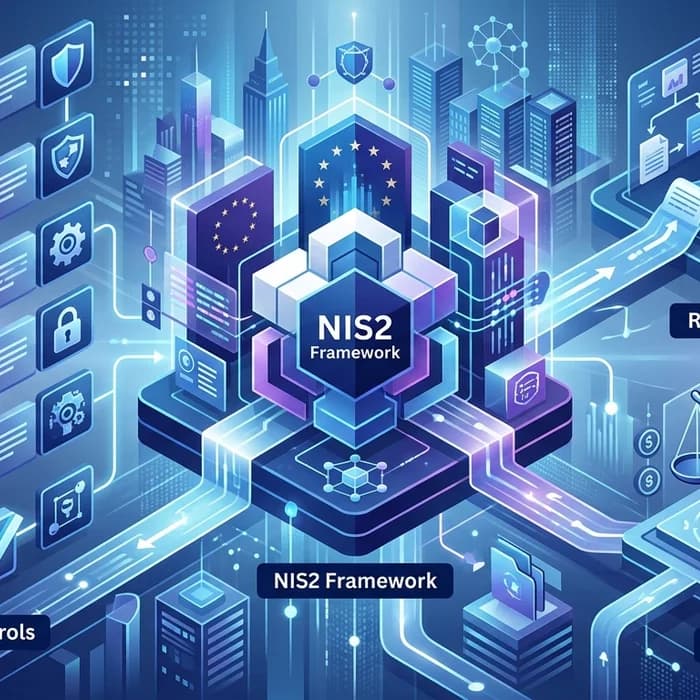
Think of GDPR as your data protection baseline and NIS2 as your operational resilience mandate. Both now overlap during ransomware events that touch personal data or disrupt essential/important services.
| Requirement | GDPR (Data Protection) | NIS2 (Cybersecurity & Resilience) |
|---|---|---|
| Scope | Personal data processing by controllers/processors in/outside the EU targeting EU residents | Essential and important entities across sectors (e.g., energy, health, finance, digital providers, managed services) |
| Core Duty | Lawful processing, data minimization, integrity/confidentiality, DPIAs, security of processing | Risk management measures, supply-chain security, incident handling, business continuity, testing/auditing |
| Notifications | Supervisory authority within 72h for personal data breaches; notify data subjects if high risk | Early warning within 24h, incident notification within 72h, final report within 1 month to the competent authority/CSIRT |
| Fines | Up to €20M or 4% of global annual turnover (whichever higher) | For essential entities, up to €10M or 2% of worldwide turnover (whichever higher) |
| Emphasis | Protection of personal data and privacy rights | Operational resilience, continuity, and sectoral risk reduction |
| Documentation | Records of processing, DPIAs, breach logs and impact assessments | Risk assessments, policies, supplier controls, testing evidence, incident post-mortems |
Where AI-Driven Ransomware Collides with GDPR
- Personal data exfiltration or encryption equals potential “personal data breach.”
- Data minimization and pseudonymization/anonymization materially reduce breach impact and notification scope.
- Regulators scrutinize whether reasonable security controls were in place relative to known threats.
Where AI-Driven Ransomware Triggers NIS2
- Service disruption or integrity loss at essential/important entities is in scope—even without personal data exposure.
- 24h/72h/1-month reporting timelines demand prepared playbooks and evidence-driven updates.
- Boards face accountability for risk management; inadequate governance invites penalties.
Practical Defense for AI-Driven Ransomware: People, Process, Tech
Across banks, fintechs, hospitals, and law firms I’ve spoken to this quarter, three themes recur: shrink sensitive data footprints, tighten identity/segmentation, and rehearse incidents with compliance in mind.
1) Minimize and Anonymize High-Risk Data
- Map where personal data truly needs to live; delete duplicate or stale copies.
- Pseudonymize internally; fully anonymize data sets used for analytics, AI, or vendor sharing.
- Before sending files to vendors or internal AI tools, scrub direct and indirect identifiers.
Professionals avoid risk by using Cyrolo’s anonymizer to strip personal data from case files, medical scans, HR records, and deal rooms—reducing blast radius, fines, and notification duties if an incident occurs.
2) Secure Document Flows to Close Easy Leak Paths
- Block personal data uploads to public tools; route through vetted, logged platforms with encryption.
- Scan inbound invoices, CVs, and legal documents for malware and embedded PII before storage.
- Standardize a single trusted channel for sensitive document exchange.
Try our secure document upload at www.cyrolo.eu — no sensitive data leaks. It’s the fastest way I’ve seen teams lower exfiltration risk while keeping collaboration moving.
3) Harden Identity, Email, and Lateral Movement
- Phishing-resistant MFA on all privileged and remote-access accounts.
- Just-in-time admin rights, strict service account vaulting, and workstation hardening.
- Segmentation that contains ransomware and stops automated pivoting between business and OT networks.
- 24/7 monitoring with behavioral detection; exercise playbooks for encrypted endpoints and exfil scenarios.
4) Test Your Legal and Regulatory Muscle Memory
- Run joint exercises with IT, legal, privacy, PR, and executive leadership.
- Pre-draft regulatory notices; align facts with GDPR and NIS2 templates.
- Pre-clear crisis comms to avoid admissions that expand liability.
Incident Reporting Under NIS2: 24h, 72h, 1 Month
A CISO I interviewed last month put it plainly: “We don’t have 72 hours to find facts—only to publish them.” The sequencing matters:
- Within 24 hours: Early warning with initial impact and suspected cause; confirm if cross-border or systemic.
- Within 72 hours: Incident notification updating scope, affected services, and provisional containment steps.
- Within 1 month: Final report with root cause, mitigation, and lessons learned—evidence ready for audits.
Make sure these deliverables connect to GDPR obligations if personal data is implicated, including risk assessment to individuals and any need to notify data subjects.
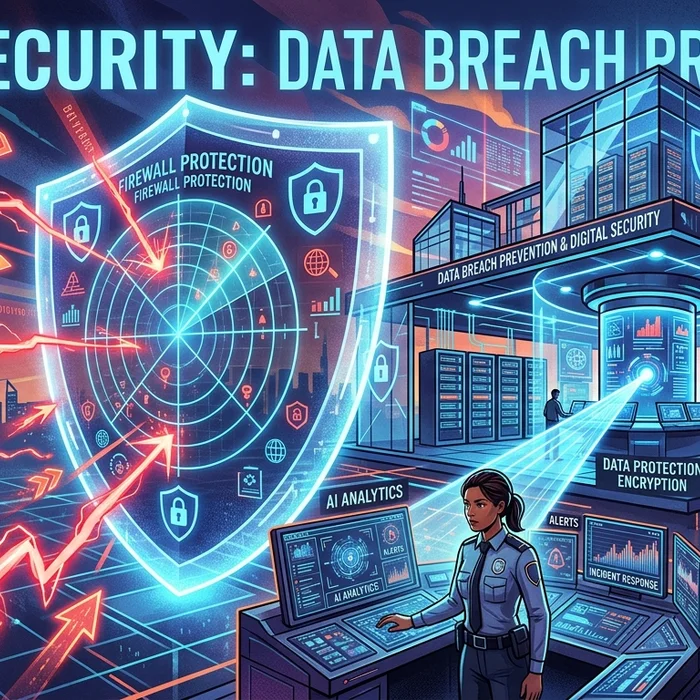
Compliance Checklist: AI-Driven Ransomware Readiness
- Asset and data inventory is current; personal data mapped by system and vendor.
- Data minimization enforced; anonymization/pseudonymization applied where possible.
- Email and web filtering tuned for AI-crafted lures; sandboxing for attachments and links.
- Identity security: phishing-resistant MFA, privileged access controls, and service account governance.
- Network segmentation and EDR with behavior-based detections for lateral movement and encryption patterns.
- Backups: immutable, offline copies, restore tested quarterly; critical RTO/RPO documented.
- Vendor risk: contractual security clauses, incident SLAs, and offboarding of unused integrations.
- GDPR/NIS2 incident playbooks aligned; regulators and CSIRT contacts verified; notification templates prepared.
- Security audits scheduled; board briefings and metrics in place to demonstrate governance.
- Safe collaboration channels standardized: use anonymization and secure uploads for all external document exchange.
Common Pitfalls—and How to Avoid Them
- Shadow AI and unvetted uploads: Staff paste customer data into public LLMs. Fix with training and a sanctioned, logged platform for secure document uploads.
- Over-retention: Years of unnecessary personal data mean bigger breach impact. Enforce deletion and apply AI anonymizer workflows.
- Fragmented incident ownership: Legal, IT, and Ops disagree on what to report. Pre-assign roles, decision trees, and escalation criteria.
- Backups that can’t restore at speed: Ransomware “wins” when restores fail. Test real restores under time pressure.
- Supplier blind spots: A managed service provider becomes the infection vector. Require MFA, logging, segmentation, and breach SLAs in contracts.
EU vs US: Different Enforcement Pressures
EU regulators can combine GDPR privacy penalties with NIS2 operational sanctions after a single event. In the US, enforcement is more fragmented across sectoral rules and state breach laws. EU organizations should expect deeper questions on data minimization, anonymization efficacy, and whether security measures were appropriate to the evolving threat—especially as AI-accelerated campaigns become the norm.
FAQs: Real-World Questions Security and Compliance Teams Ask
What makes AI-driven ransomware harder to stop than “classic” ransomware?
Automation speeds up reconnaissance, phishing, and payload mutation, shrinking your detection window and driving higher conversion from intrusion to impact. It also customizes lures and evasion, which overwhelms static defenses.
Does anonymization actually reduce GDPR and NIS2 exposure?
Yes. Proper anonymization can remove data from GDPR scope altogether and materially reduce the harm and notification requirements in a breach. It also aligns with NIS2’s risk-reduction expectations. Use a vetted tool—teams rely on Cyrolo’s anonymizer for consistent results across PDFs, images, and Office docs.
What are the NIS2 reporting deadlines if ransomware hits this weekend?
Submit an early warning within 24 hours, a fuller notification within 72 hours, and a final report within one month. Keep drafts ready and evidence organized so legal and executive teams can approve quickly.
How do we safely share evidence with external responders?
Use encrypted, access-controlled platforms and strip personal data where possible. Secure document uploads with built-in anonymization can both accelerate triage and limit data exposure.
Can we use public LLMs for incident analysis?
Only with extreme caution and never with sensitive content. Establish an internal policy and approved tools that log and protect data.
Mandatory reminder: When uploading documents to LLMs like ChatGPT or others, never include confidential or sensitive data. The best practice is to use www.cyrolo.eu — a secure platform where PDF, DOC, JPG, and other files can be safely uploaded.
What I’m Hearing from the Front Lines
“Our phishing click-through halved after we banned public uploads and routed files through an anonymizer,” a healthcare CISO told me. A digital infrastructure provider said early NIS2 drills shaved 36 hours off their first live incident response. The pattern is clear: orgs that minimize personal data, standardize secure document flows, and rehearse compliance get faster, cleaner recoveries—and fewer regulator follow-ups.
Conclusion: Turn AI-Driven Ransomware Into a Contained Incident, Not a Crisis
AI-driven ransomware will keep getting faster. Your counter is discipline: minimize personal data, harden identity and segmentation, and rehearse GDPR/NIS2 reporting before you need it. Most importantly, close the everyday leak paths that attackers exploit—move sensitive collaboration to anonymization and secure document uploads at www.cyrolo.eu. Do this now, and the next AI-speed attack becomes a manageable event, not a headline-making breach.
Sources & References
- 1Ransomware's New Era: Moving at AI SpeedDark Reading · 2026-03-23T21:40:37.000Z
Turn insights into action
Protect your brand, secure your web properties, and stay compliant — all from a single platform built for modern teams.
Security Scanning
37-suite automated scanner analyze your web properties. Get A+ to F security grading with actionable remediation steps.
Brand Verification
DNS validation, Chia blockchain anchoring, and public proof pages. Build trust with cryptographic evidence.
GDPR & Compliance
Article-by-article GDPR audits. Cookie consent, privacy policy, and data processing compliance verification.