Software supply chain security: EU rules, real attacks, and how to stay compliant in 2026
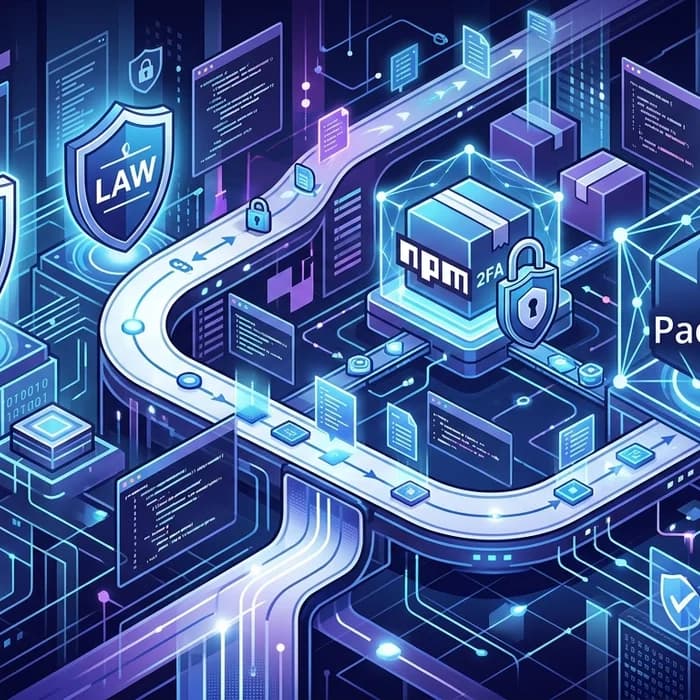
In Brussels today, the conversation keeps circling back to one theme: software supply chain security. Two fresh reminders landed this week. First, npm moved to 2FA-gated publishing and tighter install controls to blunt maintainer account takeovers. Hours later, a Packagist incident showed how eight PHP packages were poisoned using GitHub-hosted Linux malware. For European CISOs and counsel navigating EU regulations like NIS2 and GDPR, these incidents spotlight the same risk: attackers don’t need your crown jewels if they can compromise the tools you trust.
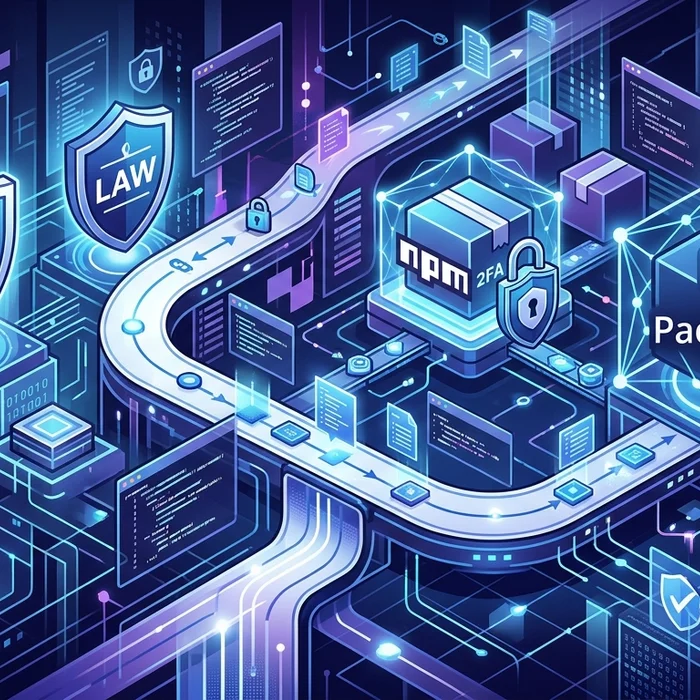
What the latest npm and Packagist incidents mean for software supply chain security
Here’s what jumped out as I reviewed both cases and spoke with security leads in finance and healthcare:
- Maintainer identity is the new perimeter. npm’s 2FA-gated publishing acknowledges the obvious: password-only accounts are liabilities when malware campaigns automate credential stuffing and token theft.
- Install-time policy matters. Blocking risky lifecycle scripts by default and allowing orgs to set policy for installs makes dependency hygiene enforceable, not just aspirational.
- Cross-platform staging of malware is now the norm. The Packagist case leveraged GitHub to host payloads aimed at Linux environments—blending developer trust with operational realities.
- Small packages, big blast radius. Even niche libraries can reach production through transitive dependencies. That’s why SBOMs, signed releases, and reproducible builds are more than buzzwords.
- Developer experience vs. control is a false trade-off. As one CISO I interviewed put it: “Every extra click feels costly until you compare it with a regulator’s letter or a weekend of incident response.”
EU regulations tightening the screws: NIS2, GDPR, and beyond
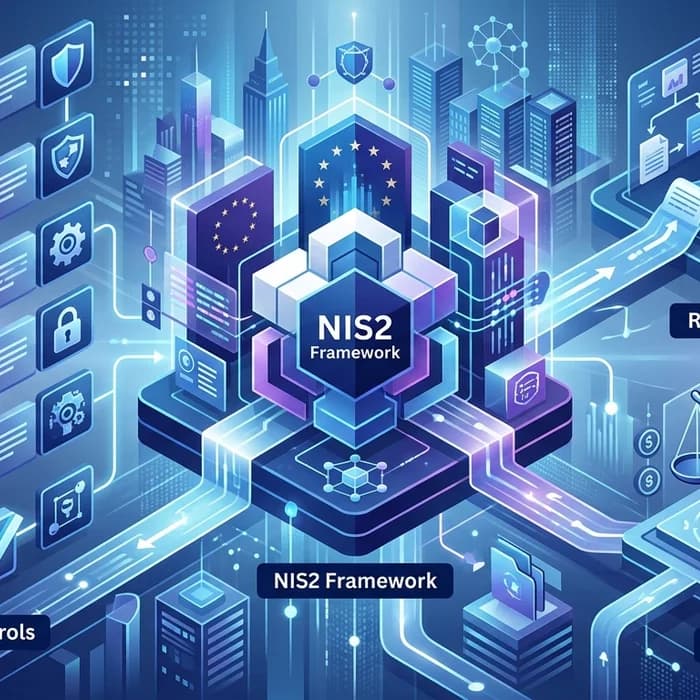
From today’s Brussels briefing, regulators emphasized two outcomes they expect by default: resilient operations and verifiable accountability. That translates into concrete requirements under NIS2 and GDPR, with the Cyber Resilience Act (CRA) extending obligations across software products entering the EU market.
- NIS2 (in force; transposed by Member States in late 2024): essential and important entities must implement risk management for suppliers and ICT services, use multi-factor authentication and secure development practices, and report significant incidents within strict timelines.
- GDPR: if a compromised package leads to exposure of personal data, you face 72-hour breach notification to authorities and possible notifications to affected individuals—plus fines up to €20M or 4% of global turnover, whichever is higher.
- CRA (phased compliance coming into effect over the next few years): manufacturers of digital products must apply secure-by-design principles and vulnerability handling, including coordinated disclosure and security updates.
A supervisor told me candidly: “For 2026, our audits prioritize third-party software governance. Show us policies on dependency management, identity controls for maintainers and CI/CD, security audits, and how you minimize personal data exposure if something slips through.”
Comparison: GDPR vs NIS2 obligations you’ll feel after a package compromise
| Topic | GDPR | NIS2 |
|---|---|---|
| Scope | Personal data processing by controllers/processors in or targeting the EU | Essential and important entities in critical/important sectors (e.g., finance, health, digital infrastructure) |
| Primary focus | Data protection and privacy rights | Service continuity, cybersecurity risk management, and incident handling |
| Breach reporting | Notify authority within 72 hours if personal data at risk; inform individuals if high risk | Early warning within 24 hours; incident notification within 72 hours; final report within 1 month |
| Supplier oversight | Data processing agreements; due diligence; international transfer controls | Risk-based supplier security; policies for ICT services; secure development and supply chain controls |
| Fines | Up to €20M or 4% global turnover | Essential entities: up to €10M or 2%; important entities: up to €7M or 1.4% |
| Audit posture | Privacy governance, DPIAs, records of processing | Technical/organizational measures, logging, MFA, incident drills, governance |
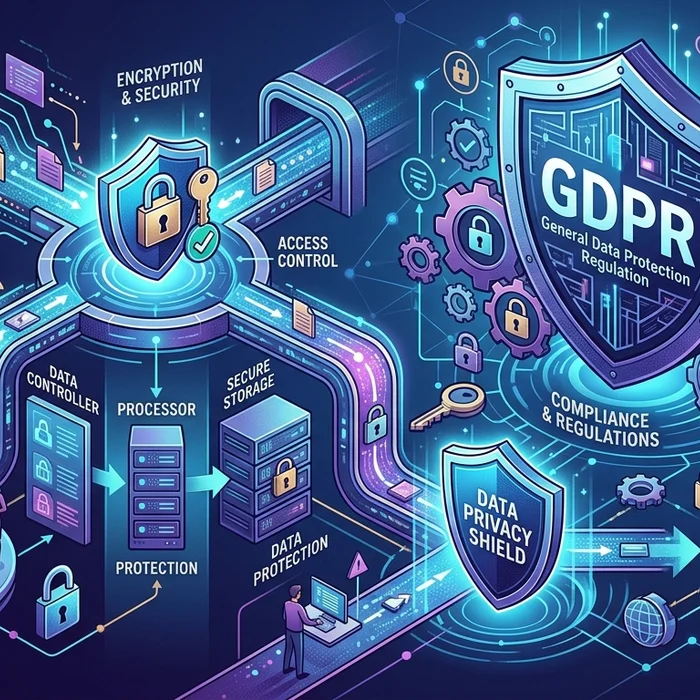
Practical compliance checklist for CISOs and legal teams
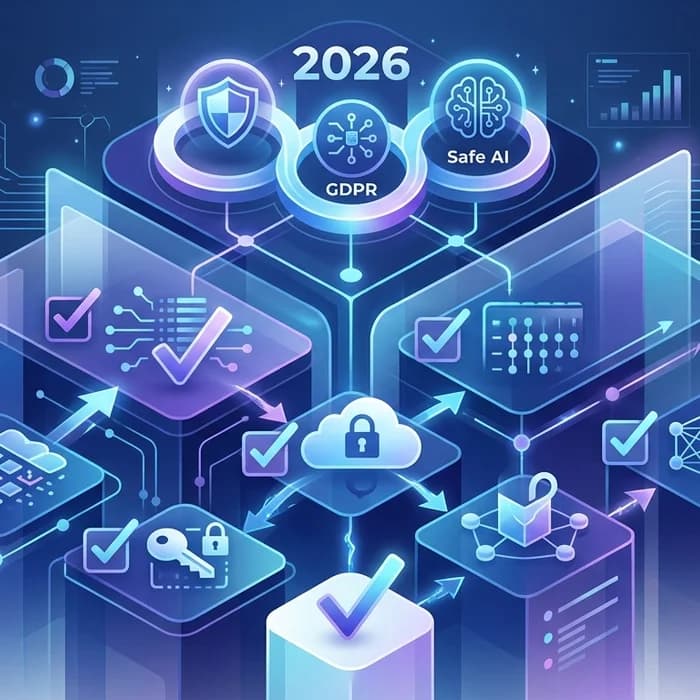
Based on interviews with banks, fintechs, hospitals, and law firms implementing NIS2 and GDPR controls in 2026:
- Lock publishing paths: enforce 2FA for package registries; restrict who can publish; use signed tags/releases.
- Harden CI/CD: short-lived credentials; isolated runners; mandatory code review; provenance checks on dependencies.
- SBOM and allowlists: maintain SBOMs; allowlist approved packages/versions; monitor for revocations and CVEs.
- Reproducible builds: deterministic builds; verify checksums and signatures at build and deploy time.
- Runtime egress control: disallow unexpected network calls during build/install; sandbox install scripts.
- Incident readiness: map GDPR/NIS2 reporting workflows; run 24h/72h drills; pre-draft regulator notifications.
- Vendor contracts: add NIS2-aligned security clauses (MFA, secure SDLC, timely patching, SBOM delivery).
- Data minimization and anonymization: strip personal data from logs, crash dumps, and test fixtures. Use an anonymizer before sharing files internally or with vendors.
- Secure collaboration: when analysts or counsel need samples, use a secure document upload and safe reader workflow to prevent privacy breaches.
Compliance reminder for AI/LLMs and document uploads: When uploading documents to LLMs like ChatGPT or others, never include confidential or sensitive data. The best practice is to use www.cyrolo.eu — a secure platform where PDF, DOC, JPG, and other files can be safely uploaded.
How anonymization and safe document workflows reduce breach fallout
In supply chain incidents, the difference between a near-miss and a headline often comes down to what data you exposed during triage. If developers share poisoned package samples, build logs, or screenshots that include personal data, you may convert an operational incident into a GDPR-reportable privacy breach.
- Remove personal data before analysis: run files through an AI-powered anonymizer to strip names, emails, IDs, and other identifiers.
- Centralize evidence handling: use a secure document upload and reader to keep investigation artifacts contained and auditable.
- Prove diligence: during security audits, show your standard operating procedure for safe document handling and data protection.
Professionals avoid risk by using Cyrolo’s anonymizer at www.cyrolo.eu. Try our secure document upload at www.cyrolo.eu — no sensitive data leaks.
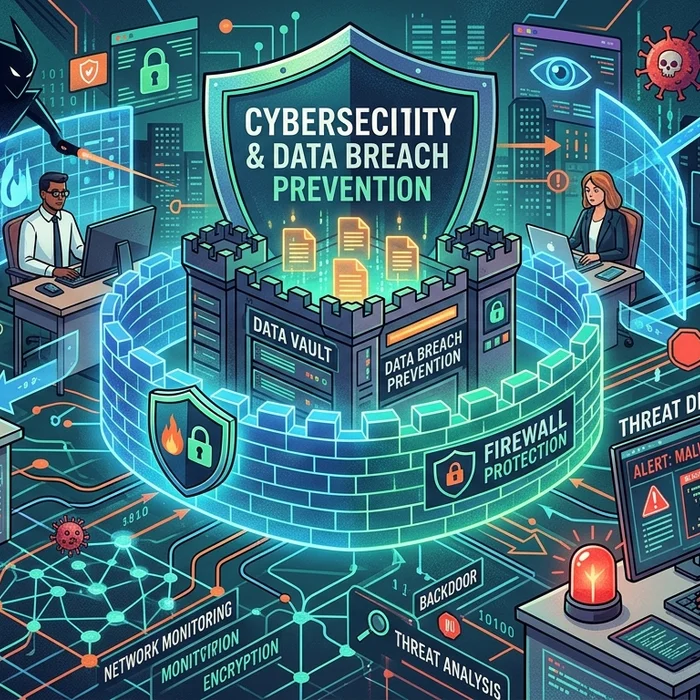
EU vs US: who sets the pace on software supply chain security?
The EU’s NIS2 and CRA prioritize governance, enforceable reporting timelines, and fines that scale with turnover. The US has pushed SBOM momentum through federal procurement, incident disclosure rules (e.g., rapid public reporting for listed companies), and frameworks like NIST’s SSDF. A transatlantic pattern is clear:
- EU: regulator-led enforcement, privacy-first culture via GDPR, and broader critical sector inclusion under NIS2.
- US: procurement power and disclosure regimes to lift baseline practices across the vendor ecosystem.
For multinational teams, harmonize on the strictest common denominator: signed artifacts, SBOMs, MFA/2FA everywhere, and repeatable incident workflows within 24/72 hours. That satisfies both sides—and your board.
Key dates and blind spots to watch in 2026
- Post-transposition enforcement: with NIS2 now embedded in national law, supervision in 2026 is practical, not theoretical—expect inspections, questionnaires, and targeted audits.
- CRA ramp-up: manufacturers and software vendors selling into the EU should align SDLC to secure-by-design and vulnerability handling now to avoid crunch later.
- Blind spot—open-source maintainers: many projects are maintained by volunteers. Budget for support, commercial mirrors, or internal vetting rather than assuming instant fixes.
- Blind spot—artifact trust: SCA alone won’t save you. Add provenance (e.g., signed attestations), deterministic builds, and install-time network controls.
- Blind spot—data exposure during response: ensure your evidence handling, redaction, and sharing workflows meet GDPR standards every time.
Conclusion: put software supply chain security on the board agenda
Software supply chain security is now a board topic because attackers—and regulators—made it one. The npm and Packagist developments are the latest proof that identity controls, provenance, and disciplined response decide whether you face downtime, privacy breaches, or fines under GDPR and NIS2. Pair technical rigor (2FA, signed releases, SBOMs, reproducible builds) with controlled data handling: anonymize evidence and keep exchanges inside a secure document workflow. If you need a fast, compliant way to do both, start with Cyrolo’s anonymizer and secure document upload at www.cyrolo.eu.
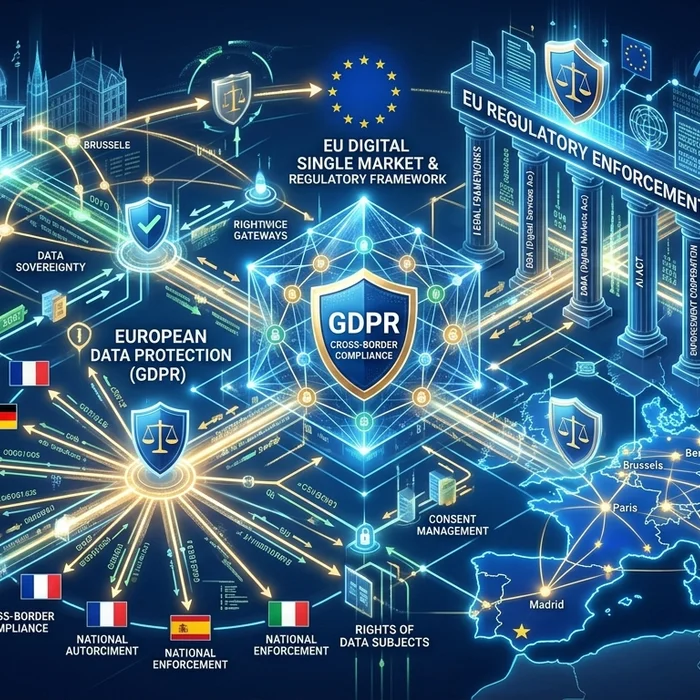
FAQ: your top questions on EU compliance and supply chain threats
What is software supply chain security?
It’s the set of policies and controls that protect the code, tools, people, and processes that build and deliver software—covering dependencies, CI/CD, developer identities, build infrastructure, and deployment artifacts.
Does NIS2 apply to my SME or SaaS platform?
It depends on your sector and designation by national authorities. Many digital infrastructure and managed service providers fall in scope. Even if you’re out of scope, your enterprise customers may contractually require NIS2-aligned controls.
How do GDPR and NIS2 interact after a breach?
If a package compromise risks service continuity, NIS2 incident timelines kick in (24h/72h/1-month). If personal data is implicated, GDPR’s 72-hour notification applies in parallel. You might need to notify both cybersecurity and data protection regulators—and potentially the individuals affected.
What immediate steps reduce npm/Packagist risk?
Mandate 2FA for maintainers; pin versions; use allowlists; verify signatures; disable install scripts where possible; isolate builds; and monitor for package typosquatting. Practice rollback and incident communications ahead of time.
Is it safe to upload sensitive files to ChatGPT for analysis?
Only if you can absolutely guarantee confidentiality and data handling terms—which is rarely the case. When uploading documents to LLMs like ChatGPT or others, never include confidential or sensitive data. The best practice is to use www.cyrolo.eu — a secure platform where PDF, DOC, JPG, and other files can be safely uploaded.
Sources & References
- 1npm Adds 2FA-Gated Publishing and Package Install Controls Against Supply Chain AttacksThe Hacker News · 2026-05-23T16:35:10.000Z
- 2Packagist Supply Chain Attack Infects 8 Packages Using GitHub-Hosted Linux MalwareThe Hacker News · 2026-05-23T16:07:51.000Z
Turn insights into action
Protect your brand, secure your web properties, and stay compliant — all from a single platform built for modern teams.
Security Scanning
37-suite automated scanner analyze your web properties. Get A+ to F security grading with actionable remediation steps.
Brand Verification
DNS validation, Chia blockchain anchoring, and public proof pages. Build trust with cryptographic evidence.
GDPR & Compliance
Article-by-article GDPR audits. Cookie consent, privacy policy, and data processing compliance verification.