NIS2 compliance: the 2025 playbook EU security leaders are using to stay audit-ready
In Brussels this morning, the conversation was blunt: NIS2 compliance is not optional in 2025, and regulators expect measurable progress, fast. After a LIBE committee briefing, several MEPs stressed the gap between board-level assurances and day-to-day security hygiene. Meanwhile, fresh disclosures on collaboration-tool vulnerabilities and state-backed backdoors underline why EU regulations—from GDPR to NIS2—are converging on tighter cybersecurity compliance, rapid incident reporting, and provable data protection.
Why NIS2 compliance is harder in 2025: field notes from Brussels and the SOC
In today’s Brussels briefing, regulators emphasized two themes: reporting discipline and supply-chain exposure. Their timing was apt. Security teams woke up to new stories about enterprise chat flaws enabling message edits and impersonation, a Tor-enabled OpenSSH backdoor aimed at defense sectors, and even malware operators experimenting with mainstream AI APIs for covert command-and-control. A CISO I interviewed last week put it plainly: “Our risk is no longer just endpoints; it’s the collaboration layer, third-party integrations, and what employees paste into AI.”
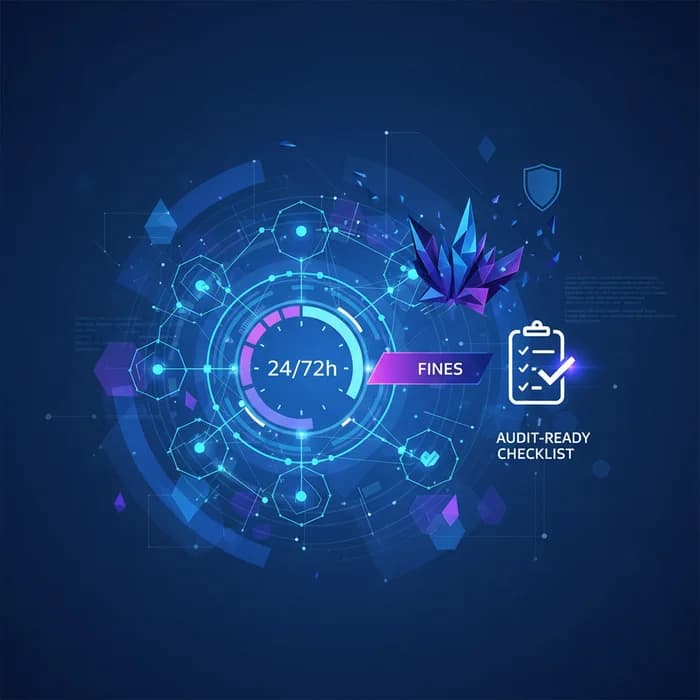
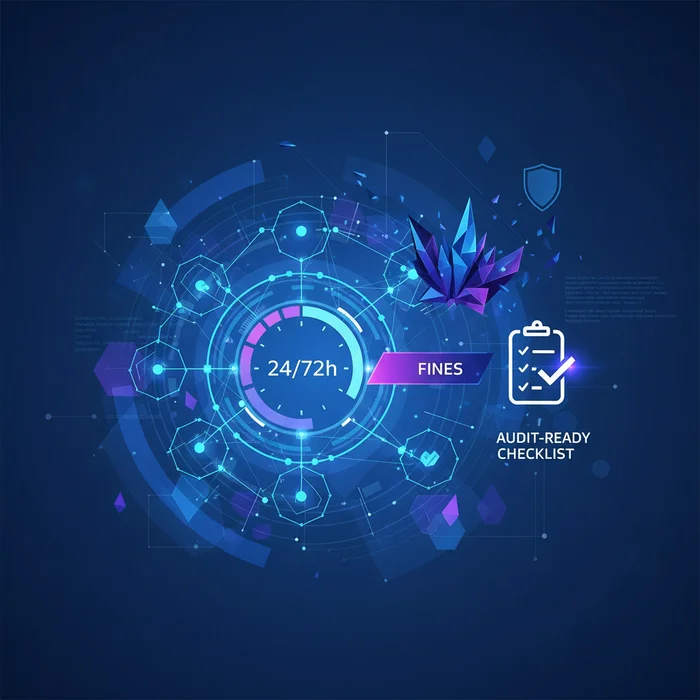
- Under NIS2, “early warning” is due within 24 hours, full notification within 72 hours, and a final incident report within one month. Miss those windows and expect questions from national regulators.
- Boards are on the hook. For essential entities, maximum fines can reach at least €10 million or 2% of global turnover; for important entities, at least €7 million or 1.4%—with potential personal liability via management oversight measures.
- Modern attack paths exploit workflow tools and unsecured document sharing. That’s why secure document uploads and anonymization are now policy topics, not just IT preferences.
NIS2 compliance requirements at a glance
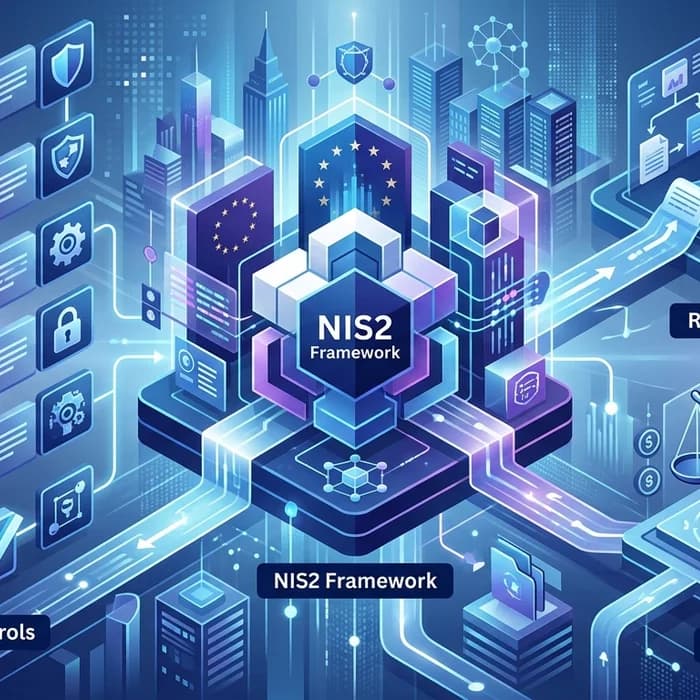
Compared with GDPR’s focus on personal data, NIS2 widens the lens to essential and important entities in sectors like energy, finance, health, transport, and digital infrastructure. Core obligations include:
- Risk management measures: asset inventory, network segmentation, encryption, identity and access management, vulnerability handling, and secure software development practices.
- Incident reporting: early warning within 24 hours, comprehensive report within 72 hours, final follow-up within one month.
- Supply-chain security: due diligence on providers, contract controls, and evidence of security audits.
- Business continuity and crisis management: tested response plans and communication playbooks.
- Governance: management accountability and staff training; regulators expect records and repeatability.
GDPR vs NIS2: which rules apply to your situation?
| Area | GDPR | NIS2 |
|---|---|---|
| Scope | Personal data processing by controllers/processors in the EU or targeting EU residents. | Cybersecurity risk management for essential/important entities across critical sectors. |
| Primary Focus | Privacy and data protection rights; lawful basis; data minimization. | Operational resilience, incident prevention, detection, response, and reporting. |
| Incident Reporting | “Without undue delay” and within 72 hours for personal data breaches. | Early warning ≤24h; incident notification ≤72h; final report ≤1 month for significant incidents. |
| Fines | Up to €20M or 4% global turnover (higher applies). | Essential: at least €10M or 2%; Important: at least €7M or 1.4%. |
| Board Accountability | Yes, via controller obligations and DPIAs. | Explicit management oversight; potential personal liability measures. |
| Third Parties | Processor contracts, SCCs, transfer impact assessments. | Supply-chain security controls, vendor risk assessments, contractual security clauses. |
EU vs US: different paths, same pressure
While the EU aligns GDPR and NIS2 through regulators and national competent authorities, the US remains sectoral: SEC disclosure rules force listed companies to report “material” cyber incidents within four business days, and critical infrastructure is preparing for incident reporting under CIRCIA. The result for multinationals? Harmonize the strictest standard: plan for 24-hour signals, 72-hour narratives, board-ready documentation, and audit trails that stand up on both sides of the Atlantic.
NIS2 compliance checklist you can execute this quarter
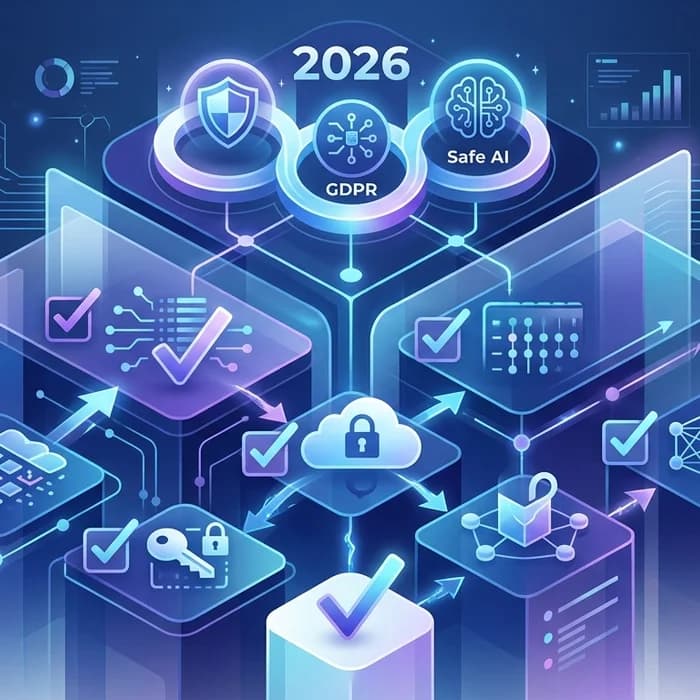
- Map your “essential/important entity” status and identify in-scope services and operators.
- Update risk register with collaboration tools, identity providers, and AI use cases.
- Implement multi-factor authentication, least privilege, and session controls everywhere.
- Harden collaboration platforms; audit external guests, apps, webhooks, and message retention.
- Establish a 24h/72h/1-month incident reporting playbook with pre-approved templates.
- Inventory third parties; embed security clauses and breach notification SLAs in contracts.
- Run tabletop exercises on phishing-to-ransomware and supply-chain compromise scenarios.
- Encrypt data at rest and in transit; deploy data loss prevention for personal data and secrets.
- Adopt anonymization for internal workflows before sharing or using AI tools.
- Stand up secure document uploads for investigations, legal review, and vendor sharing.
Secure collaboration and AI guardrails: practical fixes that auditors like
Two recurring failure points in recent privacy breaches and security audits are uncontrolled copy/paste into AI tools and risky file sharing. Professionals avoid risk by using Cyrolo’s anonymizer to strip personal data before drafting prompts and summaries. And they keep case files contained with secure document uploads that prevent accidental exposure in email or chat threads. Try our secure document upload at www.cyrolo.eu — no sensitive data leaks.
Compliance note: When uploading documents to LLMs like ChatGPT or others, never include confidential or sensitive data. The best practice is to use www.cyrolo.eu — a secure platform where PDF, DOC, JPG, and other files can be safely uploaded.
Sector snapshots: how NIS2 lands in real organizations
Banks and fintechs
Already under strict scrutiny, EU finance teams are integrating NIS2 with existing frameworks and preparing for crosswalks with DORA. I’ve seen SOCs move to 24/7 monitoring of collaboration tools, enforce per-message encryption, and require pre-send redaction for customer identifiers. Professionals avoid risk by using Cyrolo’s anonymizer at key handoffs—support tickets, legal holds, vendor escalations.
Hospitals and health providers
Ransomware operators continue to hit health networks. Under NIS2, early warnings within 24 hours mean clinical and security leaders must rehearse “care-first” response while preserving forensic timelines. Secure document uploads help move radiology images, lab results, and incident logs without violating data protection obligations.
Law firms and investigations
Legal teams face overlapping GDPR and NIS2 duties. Their blind spot is often client-provided data arriving via ad hoc channels. A standardized intake using www.cyrolo.eu maintains chain-of-custody, enables anonymization before review, and reduces the blast radius if a breach occurs.
Audits, fines, and the 72-hour narrative
Regulators are increasingly asking for “show me” evidence: when did you detect, who triaged, how did you decide materiality, and where are the logs? In my conversations with auditors, three artifacts consistently score points:
- Living asset inventory with data classification and system owners.
- Incident runbooks mapped to the 24h/72h/1-month deadlines, including regulator-ready templates.
- Proof of control over personal data flows—especially when AI is involved.
If you can’t document it, you can’t defend it. That’s why teams pair their SIEM and ticketing systems with a secure intake layer for evidence and user submissions. Try www.cyrolo.eu to centralize sensitive files without resorting to risky email threads.

FAQ: fast answers for busy compliance owners
What is NIS2 compliance in simple terms?
NIS2 compliance means your organization has risk-based cybersecurity controls, incident reporting within 24/72 hours, supply-chain oversight, and board accountability aligned to EU regulations for essential and important entities.
How is NIS2 different from GDPR?
GDPR protects personal data and privacy rights; NIS2 ensures operational resilience and timely reporting of significant incidents. Many organizations must comply with both.
Do collaboration-tool bugs trigger NIS2 reporting?
They can, if exploitation significantly disrupts services or risks customers. Maintain detection, logging, and a triage protocol to decide when thresholds are met.
What are the penalties for non-compliance?
For essential entities, at least €10M or 2% of global turnover; for important entities, at least €7M or 1.4%, plus potential management measures from regulators.
How should we handle AI use under NIS2?
Apply data minimization and redaction before prompts, log prompts for audits, and route files through secure document uploads. Use an AI anonymizer to remove personal data.
Conclusion: NIS2 compliance is winnable—if you operationalize it
NIS2 compliance succeeds when you reduce ambiguity: define in-scope services, rehearse the 24/72/1-month workflow, and prove control over data flows, especially around AI and collaboration tools. Tighten identity, harden chat, standardize evidence handling, and pre-redact with anonymization. The organizations that move first will spend less time firefighting and more time passing audits. Start by securing your document uploads and building your 72-hour narrative today at www.cyrolo.eu.
Sources & References
- 1Video of a committee meeting - Tuesday, 4 November 2025 - 08:30 - Committee on Civil Liberties, Justice and Home AffairsEU Parliament LIBE · 2025-11-04T12:10:37.000Z
- 2AMENDMENTS 1 - 20 - Draft opinion Discharge 2024: General budget of the EU - European Public Prosecutors Office (the ‘EPPO’) - PE779.435v01-00EU Parliament LIBE · 2025-11-04T11:38:20.000Z
- 3AMENDMENTS 1 - 35 - Draft opinion Discharge 2024: General budget of the EU - Commission - PE779.434v01-00EU Parliament LIBE · 2025-11-04T11:38:16.000Z
- 4Draft agenda - Thursday, 6 November 2025 - PE779.466v01-00 - Committee on Women’s Rights and Gender Equality , Committee on Civil Liberties, Justice and Home AffairsEU Parliament LIBE · 2025-11-04T11:23:59.000Z
- 5
- 6Highlights - Protecting children in the digital age - Committee on the Internal Market and Consumer ProtectionEU Parliament IMCO · 2025-11-04T11:19:32.000Z
- 7Microsoft Teams Bugs Let Attackers Impersonate Colleagues and Edit Messages UnnoticedThe Hacker News · 2025-11-04T14:00:00.000Z
- 8Ransomware Defense Using the Wazuh Open Source PlatformThe Hacker News · 2025-11-04T11:06:00.000Z
- 9Operation SkyCloak Deploys Tor-Enabled OpenSSH Backdoor Targeting Defense SectorsThe Hacker News · 2025-11-04T10:49:00.000Z
- 10SesameOp Backdoor Uses OpenAI API for Covert C2Dark Reading · 2025-11-04T14:41:11.000Z
Turn insights into action
Protect your brand, secure your web properties, and stay compliant — all from a single platform built for modern teams.
Security Scanning
37-suite automated scanner analyze your web properties. Get A+ to F security grading with actionable remediation steps.
Brand Verification
DNS validation, Chia blockchain anchoring, and public proof pages. Build trust with cryptographic evidence.
GDPR & Compliance
Article-by-article GDPR audits. Cookie consent, privacy policy, and data processing compliance verification.