NIS2 compliance: Your 2026 EU playbook for secure document uploads, AI anonymization, and audit readiness
In an urgent week for European defenders—Cisco patched 9.8 CVSS flaws that enable remote system compromise, and AI dominated the RSA Conference discourse—NIS2 compliance is the phrase echoing in every Brussels briefing I attend. If you handle operational tech, healthcare data, or critical SaaS for EU customers, NIS2 compliance now dictates how you manage risk, report incidents, and secure data flows, including everyday tasks like document uploads and AI-driven analysis.

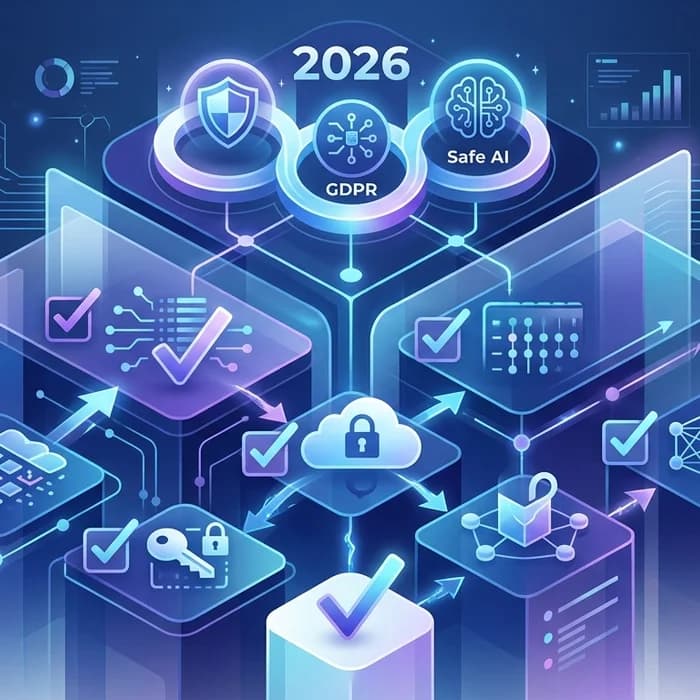
Here’s the practical guide legal, compliance, and security leaders are asking me for: what NIS2 changes in 2026, how it meshes with GDPR, what auditors will expect, and how to safely use AI with tools such as an AI anonymizer and secure document uploads—without tripping over fines or privacy breaches.
What NIS2 compliance really means in 2026
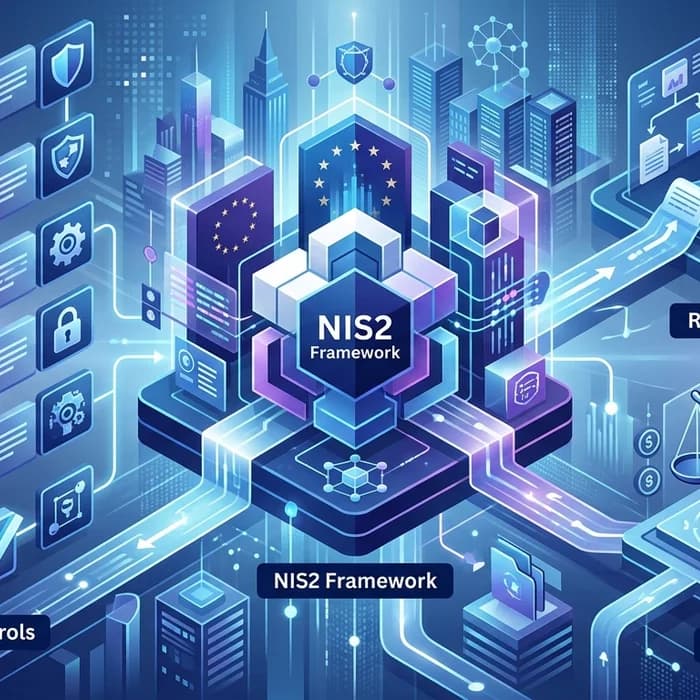
NIS2 is the EU’s updated directive on measures for a high common level of cybersecurity. It expands scope across sectors (energy, transport, healthcare, finance, digital infrastructure, managed services, cloud, and more) and introduces tighter obligations on governance, risk management, incident reporting, and supply-chain security.
- Scope: “Essential” and “Important” entities across a widened list of sectors, including cloud and MSPs.
- Governance: Management bodies are accountable; directors can be individually sanctioned by some national transpositions.
- Risk management: Mandatory technical and organizational controls (patching, access control, crypto, monitoring, business continuity).
- Incident reporting: Early warning within 24 hours, initial notification within 72 hours, and a final report within one month.
- Enforcement: Administrative fines up to at least €10M or 2% of worldwide turnover for essential entities (and €7M or 1.4% for important entities), plus inspections and mandatory security audits.
In today’s Brussels briefing, regulators emphasized that “paper compliance” won’t fly. Auditors will ask for proof: ticket trails for vulnerability management, immutable log retention, and evidence that sensitive documents were handled under data protection controls.
NIS2 compliance vs GDPR: obligations side-by-side
Many organizations already comply with GDPR. That helps—but NIS2 focuses on service resilience and incident reporting across operators of essential/important services, not just personal data. Below is a practical comparison to align programs.
| Area | GDPR | NIS2 | Why it matters in 2026 |
|---|---|---|---|
| Primary focus | Personal data protection and privacy | Service continuity, cybersecurity risk management, and resilience | Both regimes often apply simultaneously to the same incidents |
| Scope of entities | Controllers and processors handling EU residents’ personal data | Essential/Important entities in specified sectors (incl. cloud, MSPs) | Vendors and operators face layered duties across both laws |
| Incident reporting clocks | 72 hours to notify supervisory authority if breach likely risks rights | Early warning in 24h; 72h detailed notification; final report in 1 month | Run integrated timelines to avoid missed deadlines |
| Technical measures | Security appropriate to risk (Art. 32), DPIAs, minimization | Explicit cybersecurity measures incl. patching, logging, supply chain | Demonstrate concrete control operation, not just policy |
| Fines | Up to €20M or 4% global turnover (higher of) | At least €10M/2% (essential) or €7M/1.4% (important) | Dual exposure if both privacy and resilience are impacted |
| Management accountability | Implicit via governance and accountability principles | Explicit oversight obligations; training and liability in some states | Board minutes and training records become audit artifacts |
Why NIS2 compliance is urgent now
EU countries have transposed NIS2 into national law, and regulators are staffing up for inspections. A CISO I interviewed this month framed it succinctly: “What’s new isn’t the control list—it’s the enforcement tempo.” The Cisco 9.8 CVSS advisories underline how fast a single unpatched component can pivot into service disruption, supply chain exposure, and a dual GDPR–NIS2 reporting burden.
- Supply chain glare: Managed security and cloud services are explicitly in scope; one vendor weakness can trigger sector-wide reporting.
- Board ownership: Directors must evidence oversight—risk registers tied to investments, metrics, and training.
- Proving “secure by design”: Auditors will sample real evidence—ticket IDs for urgent patching, MFA enforcement stats, and data handling proofs for sensitive documents.
NIS2 control areas auditors will test
1) Vulnerability and patch management
- Track SLAs by severity (e.g., critical within 7 days or faster if exploit code exists).
- Show end-to-end evidence: detection time, change approval, deployment, and post-deployment validation.
2) Access control and identity
- Enforce MFA for admins and remote access; rotate credentials; remove stale accounts within 24 hours of HR events.
- Log privileged actions and retain tamper-evident logs in line with security audits.
3) Data protection by design
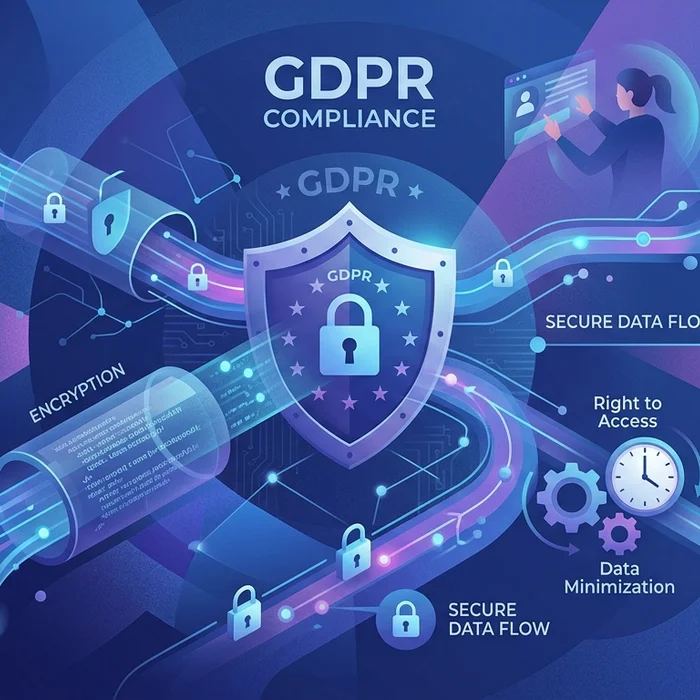
- Encrypt at rest and in transit; classify personal data and secrets; apply least privilege.
- Use an AI anonymizer before sharing or processing documents in external tools to prevent privacy breaches.
4) Incident detection and reporting
- 24h early warning; 72h initial report; final report with root cause and lessons learned within one month.
- Drill exercises twice a year; record decisions and regulator correspondence.
5) Third-party and AI risk
- Vendor security clauses, right-to-audit, breach notification terms aligned with NIS2 timelines.
- Safe AI usage policies for secure document uploads and redaction prior to model ingestion.
Using AI safely under NIS2 and GDPR: secure document uploads and anonymization
Two problem areas keep coming up in my interviews with banks, hospitals, and law firms:
- Employees paste sensitive case files or logs into AI tools, risking data exfiltration.
- Teams email unredacted PDFs across vendors during incident response, multiplying exposure.
Solution: deploy a controlled workflow with secure document uploads and automated anonymization before any external processing. Professionals avoid risk by using Cyrolo’s anonymizer at www.cyrolo.eu. Try our secure document upload at www.cyrolo.eu — no sensitive data leaks.
When uploading documents to LLMs like ChatGPT or others, never include confidential or sensitive data. The best practice is to use www.cyrolo.eu — a secure platform where PDF, DOC, JPG, and other files can be safely uploaded.
- AI anonymizer: Mask names, addresses, account numbers, and identifiers to meet data protection and cybersecurity compliance expectations.
- Secure document uploads: Centralize who can upload what, maintain logs for security audits, and keep a defensible trail for regulators.
- Incident collaboration: Share redacted evidence with suppliers without leaking personal data.
NIS2 compliance checklist you can use today
- Map scope: Confirm if you are an Essential or Important entity; list in-scope services and critical suppliers.
- Assign board oversight: Minute decisions, budgets, KPIs (MTTD, MTTR, patch SLA adherence).
- Harden identity: MFA everywhere; admin isolation; rapid deprovisioning; PAM for privileged actions.
- Patch with evidence: Track discovery-to-deployment; record validation; prioritize Internet-facing and exploitable CVEs.
- Log and retain: Centralize security logs; ensure immutability and time sync; rehearse retrieval for audits.
- Data protection: Classify and encrypt; implement DLP; use an AI anonymizer for files shared outside your perimeter.
- Secure document handling: Route all sensitive document uploads through a controlled platform with audit trails.
- Incident playbooks: Define 24h/72h/1-month reporting artifacts; establish regulator contact points.
- Vendor management: Contractual security clauses, notification SLAs, and testing of supplier incident drills.
- Training: Conduct role-based exercises; include phishing, AI usage, and incident communication.
Sector snapshots: what good looks like
Banking and fintech
One EU fintech I spoke with merged its GDPR DPIA process with NIS2 risk registers. Every time legal approves a new data flow, security logs the control set and assigns a patching SLA owner. Customer statements and KYC documents go through automated redaction first—done via a secure, logged upload flow. That move alone eliminated three recurring audit findings.
Hospitals and healthcare
Hospitals face ransomware plus strict timelines. A regional hospital now treats unpatched medical devices as outage-prone assets—tiering them for network isolation and accelerated updates. Clinicians share imaging and reports only through a secure document upload channel, with automatic anonymization. This reduced privacy breach exposure and simplified one-month final reports under NIS2.
Law firms and critical suppliers
Law firms supporting incident response are part of the supply chain scrutiny. I’ve seen firms standardize on secure uploads and AI anonymization before sending exhibits to external experts. That practice protects client confidentiality and delivers defensible evidence trails during regulator queries.
Brussels watch: compliance blind spots regulators call out
- Shadow AI usage: Staff using personal accounts for model prompts with client data.
- Unverified vendor portals: “Convenience” upload links with no encryption-at-rest or audit logs.
- Patching optics: Policies exist, but no proof the critical CVE from last week was actually closed.
- Board engagement: Cyber risk not discussed in quarterly minutes or lacking performance indicators.
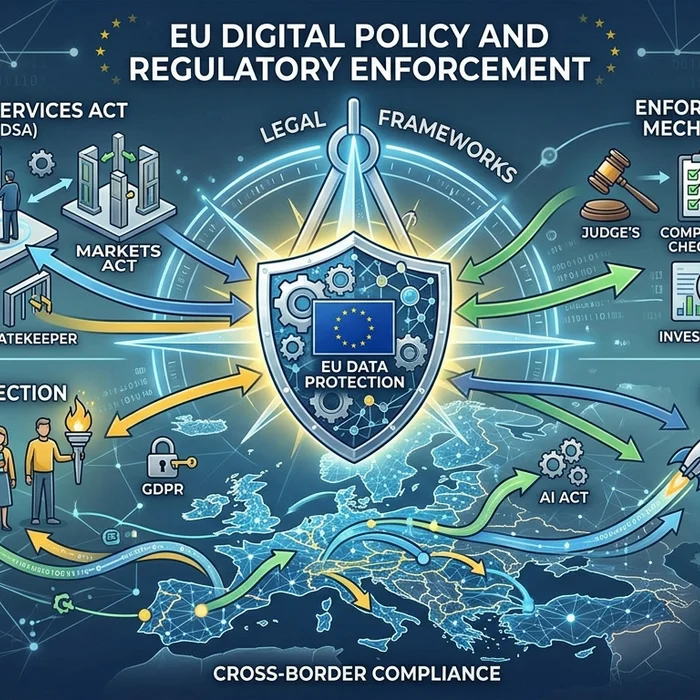
In my latest briefing, officials hinted that 2026 inspections will sample real tickets and logs rather than accept slideware. If you can’t prove it, you didn’t do it.
Action plan: 30/60/90 days to demonstrable NIS2 compliance
Day 0–30
- Confirm entity classification; map critical services and suppliers.
- Implement MFA for all external access; isolate admin accounts.
- Route sensitive document uploads through a secure platform; mandate AI anonymizer use for external sharing.
Day 31–60
- Operationalize patch SLAs for criticals; create dashboards tied to CVSS and exploitability.
- Codify incident reporting templates aligned to 24h/72h/1-month NIS2 timelines.
- Contractualize vendor notification SLAs and logging requirements.
Day 61–90
- Run an incident tabletop exercise, produce evidence packs for a mock audit.
- Board briefing with risk metrics, budget asks, and roadmap.
- Back-test two months of uploads and AI interactions for redaction completeness and logging fidelity.
FAQs: real questions teams ask about NIS2 compliance
What is NIS2 compliance and who is in scope?
NIS2 compliance means meeting EU cybersecurity obligations for Essential and Important entities across sectors like energy, healthcare, finance, transport, digital infrastructure, cloud, and MSPs. If you deliver critical services to the EU market—even as a non-EU company with EU operations—you may be in scope.
How is NIS2 different from GDPR?
GDPR protects personal data and privacy; NIS2 focuses on service resilience and cybersecurity risk management. Incidents can trigger both regimes simultaneously—hence the need for integrated reporting and controls.
What are the NIS2 incident reporting deadlines?
Early warning within 24 hours of awareness, a more detailed report within 72 hours, and a final report within one month, including root cause and remediation steps.
What fines can regulators impose under NIS2?
At least €10M or 2% of global turnover for Essential entities, and €7M or 1.4% for Important entities, depending on national transposition. Supervisory authorities can also order corrective measures and audits.
How do we safely use AI for documents under NIS2 and GDPR?
Mandate secure document uploads and anonymization before external processing. Use a trusted platform: professionals avoid risk by using Cyrolo’s anonymizer and secure uploads at www.cyrolo.eu. When uploading documents to LLMs like ChatGPT or others, never include confidential or sensitive data. The best practice is to use www.cyrolo.eu — a secure platform where PDF, DOC, JPG, and other files can be safely uploaded.
Conclusion: make NIS2 compliance a competitive advantage
NIS2 compliance is no longer a checkbox—it’s how EU buyers evaluate trust. The week’s headlines about critical exploits and AI risks are a reminder: you need verifiable controls, defensible document handling, and safe AI usage now. Reduce exposure and accelerate audits by standardizing on an AI anonymizer and secure document uploads. Start today at www.cyrolo.eu and turn compliance into resilience—and resilience into customer confidence.
Sources & References
- 1Cisco Patches 9.8 CVSS IMC and SSM Flaws Allowing Remote System CompromiseThe Hacker News · 2026-04-02T15:21:00.000Z
- 2RSAC 2026: AI Dominates, But Community Remains Key to SecurityDark Reading · 2026-04-02T15:56:32.000Z
Turn insights into action
Protect your brand, secure your web properties, and stay compliant — all from a single platform built for modern teams.
Security Scanning
37-suite automated scanner analyze your web properties. Get A+ to F security grading with actionable remediation steps.
Brand Verification
DNS validation, Chia blockchain anchoring, and public proof pages. Build trust with cryptographic evidence.
GDPR & Compliance
Article-by-article GDPR audits. Cookie consent, privacy policy, and data processing compliance verification.