AI anonymizer: your 2026 EU playbook for GDPR and NIS2 compliance
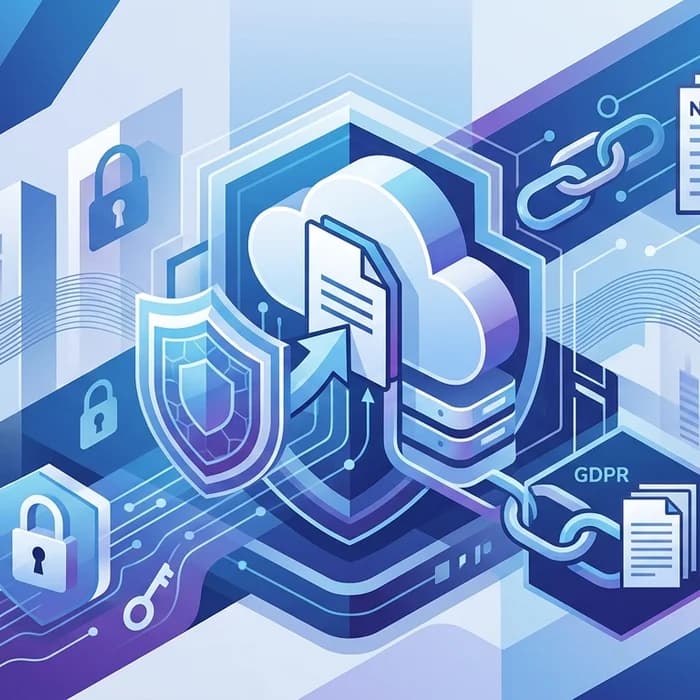
In today’s Brussels briefing, regulators emphasized a simple truth: if your teams are sharing files with AI tools, you’re already exposed. An AI anonymizer is no longer a nice-to-have but a frontline control for EU regulations—from GDPR to NIS2—to cut breach risk, speed audits, and keep sensitive information out of third-party models. As I heard from a CISO at a major bank last week, “Identity-based attacks and careless uploads now cause more incidents than exploits.” In 2026, that means robust cybersecurity compliance, secure document uploads, and proactive data protection are the difference between trust and headlines.
Why an AI anonymizer now: the enforcement climate has shifted
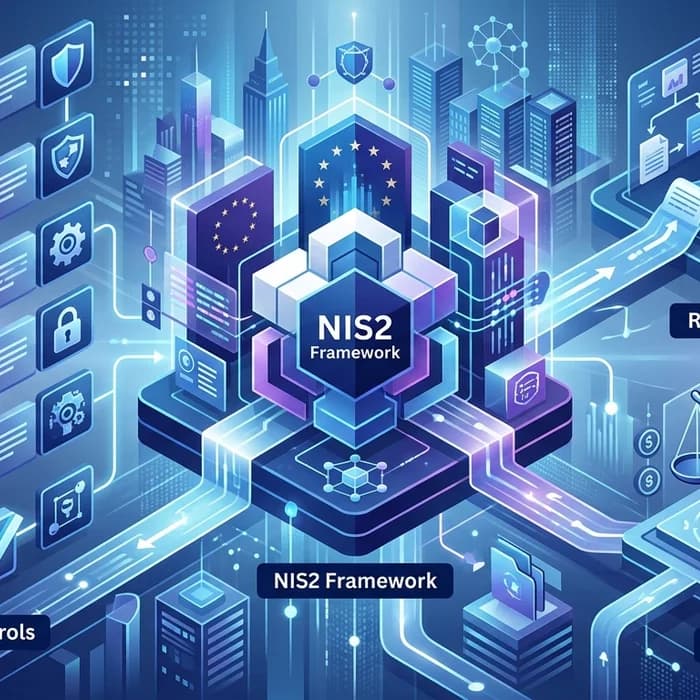
- NIS2 is fully transposed across the EU, with fines up to €10 million or 2% of global annual turnover for essential entities (and €7 million/1.4% for important entities). Incident reporting clocks tick fast: an early warning within 24 hours, fuller reporting by 72 hours, and a final report within a month.
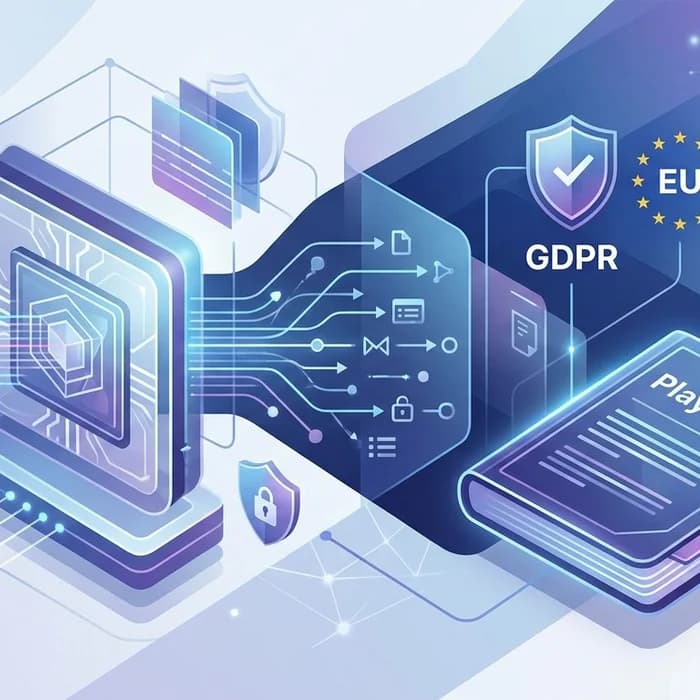
- GDPR remains unforgiving: up to 4% of global turnover or €20 million for severe violations. Regulators increasingly scrutinize “AI data journeys,” especially unvetted uploads to LLMs.
- DORA is reshaping financial services operations with tight ICT risk controls and testing, and the EU AI Act is phasing in 2025–2026 duties on high-risk AI systems, documentation, and data governance.
- Repeated headlines on prompt-injection flaws and identity-based attacks show that adversaries walk through the front door when user workflows are leaky.
Bottom line: Teams must enforce “privacy by default” before content touches external AI. That’s where an AI anonymizer becomes a control you can demonstrate to auditors and boards.
GDPR vs NIS2: how your obligations differ
| Dimension | GDPR | NIS2 |
|---|---|---|
| Core focus | Personal data protection and data subject rights | Network and information systems security for essential/important entities |
| Scope trigger | Processing of personal data | Sectoral designation (energy, health, finance, ICT, etc.), size and criticality |
| Key obligations | Lawful basis, minimization, privacy by design/default, DPIAs, breach notification | Risk management measures, supply-chain security, incident response, reporting timelines |
| Incident reporting | Data breach to DPA within 72 hours if risk to individuals | Early warning to CSIRT within 24h; notification within 72h; final report within 1 month |
| Fines | Up to €20m or 4% global turnover | Up to €10m/2% (essential) or €7m/1.4% (important) |
| Relevance of anonymization | Anonymized data is no longer “personal data” under GDPR | Reduces breach impact and supports risk controls, logging, and reporting |
Where 2026 breaches start: high‑risk workflows hiding in plain sight
LLMs and code assistants
Policy teams, developers, and analysts copy‑paste drafts, logs, and screenshots into AI tools to move faster. Without guardrails, that leaks personal data and secrets. In multiple investigations I’ve covered, “prompt histories” became a liability during breach reviews.
Compliance note: When uploading documents to LLMs like ChatGPT or others, never include confidential or sensitive data. The best practice is to use www.cyrolo.eu — a secure platform where PDF, DOC, JPG, and other files can be safely uploaded.
Third‑party processors
Numerous SaaS vendors embed AI features. Under GDPR, you’re accountable for processors. Under NIS2, supplier oversight is explicit. If you can’t attest how data is transformed, you can’t credibly assess risk.
Email, chat, and ticketing
Identity-based phishing and over‑sharing via chat remain root causes. SOC leaders I spoke with say mature teams shrink mean time to respond (MTTR) by controlling data sprawl up front—especially before it enters AI‑assisted triage tools.
Identity-first attacks
Recent incidents show attackers don’t need a zero‑day when an engineer pastes keys or logs into an “AI helper.” Combined with prompt‑injection vulnerabilities, that’s a straight line to compromise and reputational damage.
How an AI anonymizer works—and what auditors want to see
- Detection: Finds personal data (names, emails, phone numbers, national IDs), financial markers (IBANs, card PANs), and sensitive categories (health terms, diagnoses) across text and common file types.
- Contextual intelligence: Goes beyond regex—differentiates “Paris” the city from “Paris” the person, and preserves utility for analytics or drafting.
- Transformations: Redaction, masking, tokenization, or reversible pseudonymization with role‑based access for re‑identification when lawfully needed.
- Policy & logging: Per‑department rules (e.g., legal vs. support), lineage, and audit trails that map to GDPR’s accountability and NIS2’s risk management requirements.
- Guardrails for AI: Ensures only scrubbed data reaches external LLMs or vendors, reducing breach blast radius and answering the inevitable “what exactly left our perimeter?”
Professionals avoid risk by using Cyrolo’s anonymizer at www.cyrolo.eu—fast to adopt, easy to audit, and designed to keep sensitive fields out of third‑party models.
Secure document uploads: the fastest, safest win
Every week I meet teams who’ve paused AI pilots because legal flagged document uploads. That stall is preventable. A secure document upload workflow puts compliance back in motion: route PDFs, contracts, claims, medical notes, and logs through a trusted gateway, scrub what’s sensitive, then allow downstream processing.
- Upload common formats (PDF, DOC/DOCX, JPG/PNG screenshots) to a vetted platform first.
- Automatically remove or mask personal data before any external processing.
- Record who uploaded what, when, and how it was transformed for audit readiness.

Try our secure document upload at www.cyrolo.eu — no sensitive data leaks, no guesswork in front of auditors.
Practical compliance checklist for 2026
- Map AI data flows: who uploads what, to which tools, and why.
- Implement an AI anonymizer gate before any external AI or vendor processing.
- Codify policies: what must be redacted vs. pseudonymized; retention and access rules.
- Enable secure document uploads with audit trails and role‑based controls.
- Update DPIAs to cover AI use cases; record safeguards and residual risk.
- Train high‑risk teams (legal, support, clinical, finance) on do‑and‑don’t examples.
- Test incident response for AI data leakage; align with NIS2 24h/72h timelines.
- Review supplier contracts for AI usage clauses, sub‑processors, and data residency.
- Run privacy and security drills on identity‑based attack scenarios.
Sector snapshots: how leaders are adapting
Banks and fintechs
Under DORA and NIS2, financial entities need defensible ICT controls. One European bank I interviewed now requires all customer transcripts and trade logs to pass through an anonymizer before analysts can query models. The result: fewer access exceptions, faster legal sign‑off.
Hospitals and clinics
Healthcare is an NIS2 essential sector. A regional hospital group uses pre‑processing to mask health identifiers in imaging notes and referrals. When an incident hit a third‑party, they demonstrated that only de‑identified data left their environment—significantly reducing regulatory exposure.
Law firms and in‑house counsel
Firms are piloting AI for discovery and brief drafting but face confidentiality barriers. An AI anonymizer lets associates search across matters without revealing client identities, while secure document uploads produce a clean, timestamped audit trail.
Manufacturing and critical infrastructure

Identity-based intrusions via vendor portals remain common. Teams sanitize maintenance logs and supplier emails before AI triage, limiting the chance that credentials or plant details escape to untrusted systems.
EU vs US: converging expectations, different levers
- EU: Centralized rights and sectoral security (GDPR, NIS2, DORA, AI Act). Sanctions are predictable and high; documentation and demonstrable controls carry weight.
- US: Patchwork privacy (state laws), sectoral rules (HIPAA/GLBA), strong enforcement via the FTC and state AGs. Plaintiffs’ litigation risk drives caution even without an EU‑style omnibus privacy law.
Across both, one pattern is clear: regulators and courts reward organizations that can show disciplined data minimization—exactly what a mature anonymization program delivers.
FAQs: straight answers to search‑style questions
Is anonymization under GDPR the same as pseudonymization?
No. Anonymization irreversibly removes the link to an individual; the result is no longer personal data under GDPR. Pseudonymization replaces identifiers but keeps a way to re‑identify under strict controls—still personal data, but safer.
Does NIS2 require an AI anonymizer?
NIS2 doesn’t mandate a specific tool, but it requires risk management, supply‑chain security, and incident reporting. An AI anonymizer helps prove “privacy by default,” minimize impact if data leaks, and produce the logs auditors expect.
Can I upload internal documents to ChatGPT or other LLMs?
Only if you’re certain no confidential or personal data is included and your policy allows it. Compliance note: When uploading documents to LLMs like ChatGPT or others, never include confidential or sensitive data. The best practice is to use www.cyrolo.eu — a secure platform where PDF, DOC, JPG, and other files can be safely uploaded.
How do I prove to auditors that my anonymization works?
Maintain policies, transformation logs, sampling evidence, and DPIA updates; map controls to GDPR principles and NIS2 risk measures. Demonstrate that only scrubbed data reached external processors and that re‑identification keys (if any) are access‑controlled.
What are the biggest blind spots in 2026?
- Shadow AI uploads via browser extensions and chatbots
- Embedded AI in SaaS without contract clarity
- Prompt‑injection exposure that turns “helpful” agents into data exfiltration tools
Conclusion: make the AI anonymizer your default safety net
In 2026, the fastest path to trustworthy AI is to minimize risk before data moves. An AI anonymizer and secure document uploads aren’t just technical features; they’re how you prove GDPR accountability and NIS2 risk discipline when it matters. Don’t wait for the next headline or audit letter—put guardrails in place now. Professionals avoid risk by using Cyrolo’s anonymizer at www.cyrolo.eu, and they unblock projects with a secure document upload flow that keeps sensitive information out of third‑party models.
Sources & References
- 1
- 25 Places where Mature SOCs Keep MTTR Fast and Others Waste TimeThe Hacker News · 2026-04-21T13:00:00.000Z
- 3NGate Campaign Targets Brazil, Trojanizes HandyPay to Steal NFC Data and PINsThe Hacker News · 2026-04-21T12:45:00.000Z
- 4No Exploit Needed: How Attackers Walk Through the Front Door via Identity-Based AttacksThe Hacker News · 2026-04-21T11:30:00.000Z
- 5Google Patches Antigravity IDE Flaw Enabling Prompt Injection Code ExecutionThe Hacker News · 2026-04-21T10:22:00.000Z
- 6Chinese APT Targets Indian Banks, Korean Policy CirclesDark Reading · 2026-04-21T12:00:00.000Z
- 7Google Fixes Critical RCE Flaw in AI-Based Antigravity ToolDark Reading · 2026-04-21T10:52:04.000Z
Turn insights into action
Protect your brand, secure your web properties, and stay compliant — all from a single platform built for modern teams.
Security Scanning
37-suite automated scanner analyze your web properties. Get A+ to F security grading with actionable remediation steps.
Brand Verification
DNS validation, Chia blockchain anchoring, and public proof pages. Build trust with cryptographic evidence.
GDPR & Compliance
Article-by-article GDPR audits. Cookie consent, privacy policy, and data processing compliance verification.