CI pipeline security after the poisoned package wave: an EU-ready playbook for 2026
Today’s reports of malicious Ruby Gems and Go modules targeting build environments are a blunt reminder: CI pipeline security is now a board-level risk, not just a DevOps chore. In Brussels briefings this week, regulators reiterated that software supply chain controls sit squarely within NIS2 obligations, while GDPR breach rules still apply the moment personal data is exposed. As an EU policy and cybersecurity reporter, I’ve been tracking how these poisoned packages exfiltrate cloud tokens from CI jobs, pivot into source code and secrets, and cascade into production outages and compliance headaches.

What the latest poisoned packages mean for CI pipeline security
Attacks on developer ecosystems have matured. In the incidents circulating today, typosquatted or forged open-source packages were pulled by automated jobs. The payloads quietly harvested CI environment variables and tokens, then beaconed out to attacker infrastructure. A CISO I interviewed at a Frankfurt fintech described a near-miss where a compromised module would have granted read/write access to internal registries—“one push away from production.”
- Why CI/CD is a prime target: it aggregates secrets (cloud keys, repository tokens, signing keys) and executes trusted code at speed.
- How the theft happens: malicious install scripts, post-install hooks, or test stages exfiltrate credentials and artifact metadata.
- The blast radius: access to private repos, pipeline configs, artifact stores, and sometimes customer environments through federated credentials.
For EU organizations, the compliance angle is clear. Under NIS2, essential and important entities must implement “appropriate and proportionate” technical and organizational measures—explicitly including supply-chain security and secure development practices. If personal data is swept up (for example, logs with user identifiers), GDPR breach notification rules trigger as well.
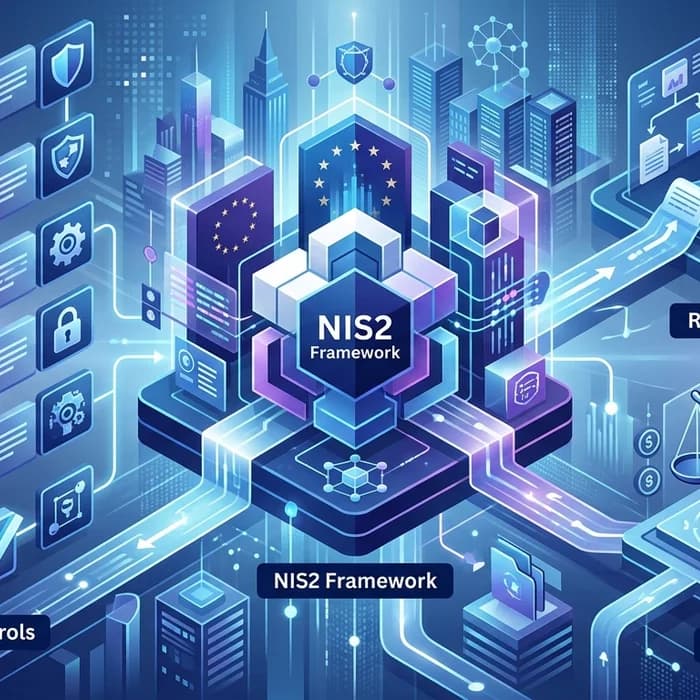
CI pipeline security under NIS2: what regulators expect in 2026
NIS2 is fully in force across the EU in 2026, with national transposition now complete. Supervisors have been blunt in recent workshops I attended: software supply chain risk is a priority audit theme. Expect questions on:
- How you vet and pin third-party dependencies (and how quickly you can remove them).
- Whether CI runners are isolated, credential-minimized, and outbound-restricted.
- Your approach to code signing, provenance, SBOM, and build attestation.
- Incident reporting readiness: 24-hour early warning to your CSIRT, 72-hour notification with indicators, and a final report within one month.
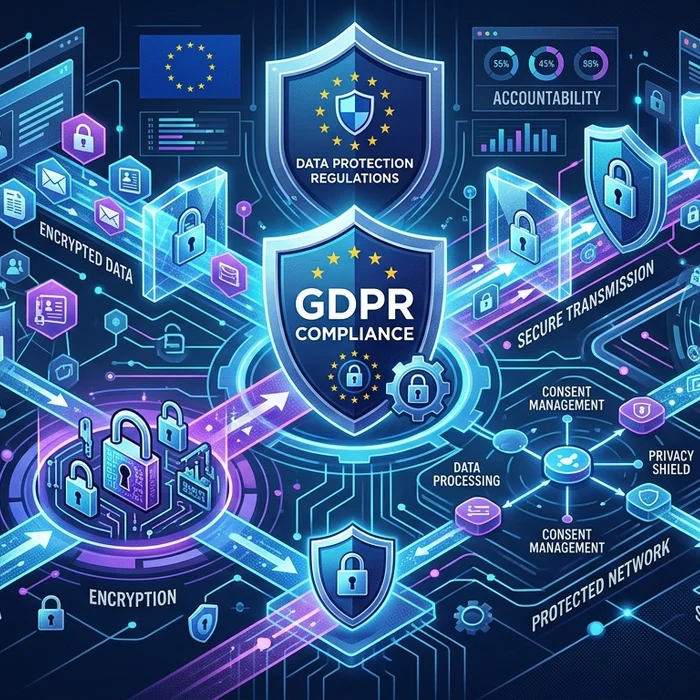
Penalties are real: for essential entities, administrative fines can reach at least €10 million or 2% of worldwide annual turnover (whichever is higher); for important entities, at least €7 million or 1.4%. And GDPR still carries up to 4% for personal data violations. Meanwhile, DORA already applies in financial services, demanding third‑party risk management and resilient ICT operations. The Cyber Resilience Act will further tighten expectations on product security and vulnerability handling as it phases in across the single market.
GDPR vs NIS2: what to report, when, and why it matters
| Dimension | GDPR | NIS2 |
|---|---|---|
| Scope | Personal data protection across all sectors | Network and information systems security for “essential” and “important” entities |
| Trigger | Personal data breach risking rights and freedoms | Significant incident affecting service provision or security of systems |
| Timeline | Notify DPA within 72 hours; inform data subjects “without undue delay” if high risk | Early warning to CSIRT within 24 hours; incident notification within 72 hours; final report within 1 month |
| Penalties | Up to 4% of global annual turnover or €20M | At least €10M/2% (essential) or €7M/1.4% (important) |
| Examples of relevance to CI/CD | Logs or artifacts contain user IDs, IPs, or other personal data | Compromise of build systems causing service degradation or widespread exposure |
Practical controls: a CI/CD compliance checklist you can execute this quarter
- Dependency hygiene
- Pin exact versions; use allow-lists for registries and internal mirrors.
- Enable package integrity checks (checksums, signed packages) and fail closed.
- Continuously scan for typosquats and malicious maintainers; auto-block suspicious names.
- Runner isolation and hardening
- Use ephemeral, isolated runners; no shared file systems across projects.
- Block outbound egress by default; allow only required endpoints for builds.
- Drop Linux capabilities; run with non-root users; patch base images frequently.
- Secrets and identity
- Adopt short‑lived, scoped tokens; prefer workload identity (OIDC) over static keys.
- Inject secrets at runtime only; never store in repo or build scripts.
- Scan commits and artifacts for secrets before merge and before release.
- Provenance, SBOM, and signing
- Generate SBOMs for every build; store centrally and link to releases.
- Sign artifacts and attest builds; verify signatures before deploy.
- Record dependency provenance (who approved, when added, why).
- Monitoring and response
- Alert on anomalous egress from CI; block known exfiltration patterns.
- Retain tamper‑evident logs; ensure time-synced, queryable by IR teams.
- Rehearse the NIS2 24/72/1‑month reporting cadence with templates.
- Third‑party and sector rules
- Map suppliers and services into DORA/NIS2 classifications; set contract controls.
- Audit critical vendors’ SDLC and incident handling; require timely advisories.
Reduce risk when sharing evidence: anonymize and control document flows
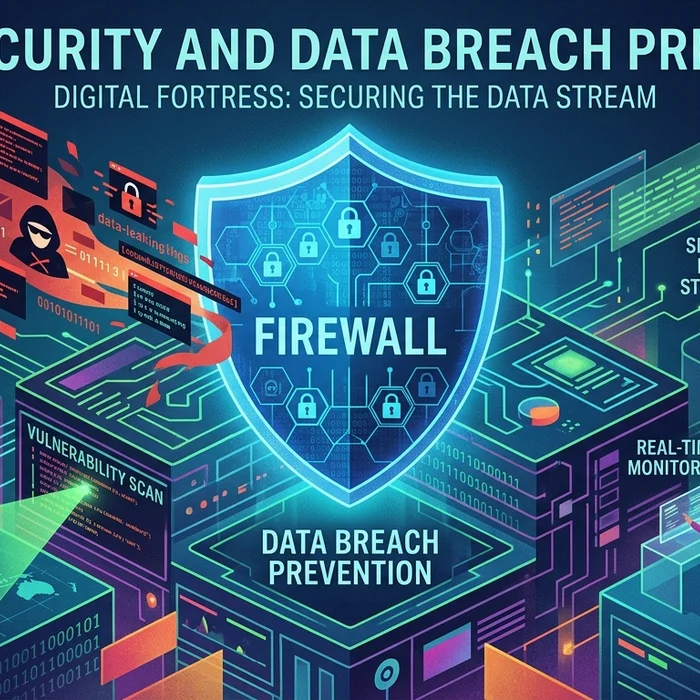
In the frantic first 72 hours of an incident, teams swap logs, screenshots, and config snippets across tickets and chat. That’s exactly when accidental exposure happens—IP addresses tied to natural persons, email handles, even API tokens embedded in crash traces. A Paris hospital’s SOC lead told me their post‑mortem showed more risk from hasty file sharing than from the initial exploit.
Best practice: strip identifiers and secrets before any internal or external sharing, including with MSSPs and counsel. Professionals avoid risk by using Cyrolo’s anonymizer to automatically redact personal data and sensitive strings from evidence packages. When teams must coordinate across borders or vendors, try our secure document upload at www.cyrolo.eu — no sensitive data leaks.
Compliance reminder: When uploading documents to LLMs like ChatGPT or others, never include confidential or sensitive data. The best practice is to use www.cyrolo.eu — a secure platform where PDF, DOC, JPG, and other files can be safely uploaded.
Investigative notes: blind spots regulators and CISOs keep flagging
- “Trusted” internal packages: Organizations mirror upstream registries but don’t scrutinize what gets mirrored. Malicious code sails in under the “internal” label.
- Over‑privileged tokens: CI jobs often have write access to prod registries “just in case.” Attackers love that “just in case.”
- Outbound everything: Many runners can reach the entire internet. A simple curl in a rogue script is all it takes to lose your credentials.
- Shadow pipelines: Side projects and PoCs run in personal runners with company secrets—no logging, no controls.
- Data protection drift: Debug logs quietly accumulate personal data; months later, a breach turns an ops issue into a GDPR problem.
EU vs US: different levers, same destination
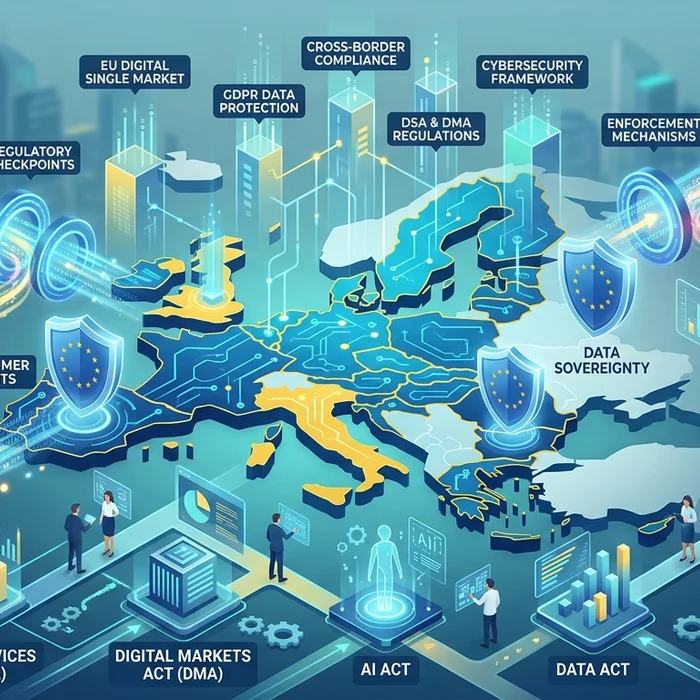
US guidance leans on NIST SSDF and executive directives, nudging attestations and SBOM adoption via procurement. The EU wields binding rules: NIS2 for operators and suppliers in critical sectors, DORA for finance, and the Cyber Resilience Act for products. For multinational teams, harmonize on the stricter baseline: provenance, signing, SBOM, rapid incident reporting, and least‑privileged pipeline design.
FAQ: CI pipeline security, NIS2, and EU compliance
How fast must I report a CI/CD compromise under NIS2?
Submit an early warning to your national CSIRT within 24 hours of becoming aware, a more detailed notification within 72 hours, and a final report within one month. Prepare templates now so you don’t scramble during an incident.
Does a poisoned open‑source package incident trigger GDPR?
Only if personal data is involved. If build logs, telemetry, or artifacts contain identifiers tied to natural persons, you may need to notify the data protection authority within 72 hours and, if high risk, the affected data subjects.
What are the top three CI pipeline security controls to implement first?
1) Enforce egress restrictions on runners, 2) replace static credentials with short‑lived workload identity and least privilege, 3) pin and verify dependencies via integrity checks and internal mirrors.
Do I need an SBOM for every build?
It’s rapidly becoming expected. Under NIS2 audits and sector rules like DORA, SBOMs help demonstrate supply‑chain governance. They also accelerate incident scoping when a component goes bad.
How can I share incident evidence safely with external counsel or vendors?
Redact personal data and secrets first, then share via a secure channel. To automate the redaction step, use an AI anonymizer and secure document uploads at www.cyrolo.eu.
Conclusion: CI pipeline security under NIS2—act now
The poisoned package wave shows how a single dependency can topple a build chain and spill into governance nightmares. CI pipeline security is the control surface where EU expectations (NIS2, GDPR, DORA) now converge. Lock down egress, minimize credentials, sign and attest what you ship—and anonymize what you share. When your team needs to exchange evidence or prepare reports, use the anonymizer and secure document upload at www.cyrolo.eu to cut exposure without slowing response. That’s how you meet the letter of the law and the reality of today’s threat landscape.
Sources & References
- 1Poisoned Ruby Gems and Go Modules Exploit CI Pipelines for Credential TheftThe Hacker News · 2026-05-01T09:43:00.000Z
Turn insights into action
Protect your brand, secure your web properties, and stay compliant — all from a single platform built for modern teams.
Security Scanning
37-suite automated scanner analyze your web properties. Get A+ to F security grading with actionable remediation steps.
Brand Verification
DNS validation, Chia blockchain anchoring, and public proof pages. Build trust with cryptographic evidence.
GDPR & Compliance
Article-by-article GDPR audits. Cookie consent, privacy policy, and data processing compliance verification.