Secure document uploads in the EU: how to meet GDPR and NIS2 while blocking costly data leaks
In today’s Brussels briefing, regulators emphasized a familiar message with renewed urgency: secure document uploads are now a core control for GDPR and NIS2 compliance, not a nice-to-have. Between malware that hijacks trusted document tools, location data quietly resold to authorities, and AI systems that can’t be “patched” like traditional software, the risk surface keeps expanding. As an EU policy and cybersecurity reporter, I’ve seen how quickly a routine file transfer can turn into a reportable privacy breach with seven-figure fallout. This guide translates the rules into practical steps—and points to solutions you can deploy this quarter.
What “secure document uploads” actually mean under EU law
GDPR and NIS2 aren’t prescriptive checklists; they require “appropriate technical and organizational measures” proportionate to risk. For document ingestion—think PDFs from clients, scans from branches, HR forms from candidates—this translates into:
- Encryption in transit and at rest for all uploads and derived copies
- Strong authentication (SSO, MFA) and least-privilege access to uploaded files
- Malware scanning, sandboxing, and content disarm and reconstruction (CDR) to neutralize exploits in office docs and images
- Automated redaction/anonymization of personal data where feasible
- Immutable audit logs and retention controls tied to legal bases and purpose limitation
- Supplier risk management when third-party tools process the files
As one CISO I interviewed put it: “Uploads are our front door. We lock the perimeter, but attackers just ring the bell with a malicious doc.”
GDPR vs NIS2: document-handling obligations at a glance
| Area | GDPR | NIS2 | What good looks like |
|---|---|---|---|
| Scope | Personal data processing across all sectors | Security and resilience for “essential” and “important” entities in key sectors and suppliers | Map uploads that contain personal data; identify if your entity falls under NIS2 |
| Legal basis & purpose | Lawful basis, purpose limitation, data minimization | Not applicable directly, but ties to risk management and policies | Collect only what you need; strip identifiers early via anonymization |
| Security measures | Art. 32: appropriate technical/organizational measures | Risk-based controls, supply chain security, crypto, vulnerability handling | Encrypted upload pipelines, anti-malware, CDR, access controls, supplier SLAs |
| Incident reporting | Notify DPA within 72 hours of personal data breach | ESIRT/CSIRT reporting timelines; sector rules apply | Playbooks for doc-borne malware and exfiltration; tested reporting workflows |
| Governance | DPO where required; DPIAs for high-risk processing | Management accountability; security strategy and audits | DPIA for upload workflows; board-level metrics on file risk |
| Penalties | Up to 4% of global turnover or €20M | Up to €10M or 2% of global turnover; management liability | Demonstrable controls, logs, and supplier oversight to satisfy regulators |
Why secure document uploads matter now
Three developments are converging:
- Malware is exploiting trust pathways. Recent campaigns have piggybacked on legitimate document protection helpers to siphon data via compromised servers. The lesson: even “secure” helpers in the chain can be turned against you if uploads aren’t scanned, sanitized, and tightly segmented.
- Data brokerage is alive and well. In the US, renewed revelations about authorities purchasing location data underscore a blunt contrast with EU data protection norms. EU customers increasingly ask where and how their files are processed—and regulators ask too.
- AI security is not patchable in the old sense. Model-assisted tools that parse uploads can hallucinate, over-collect, or unintentionally retain snippets. You must design guardrails around them, including anonymization before any external processing.
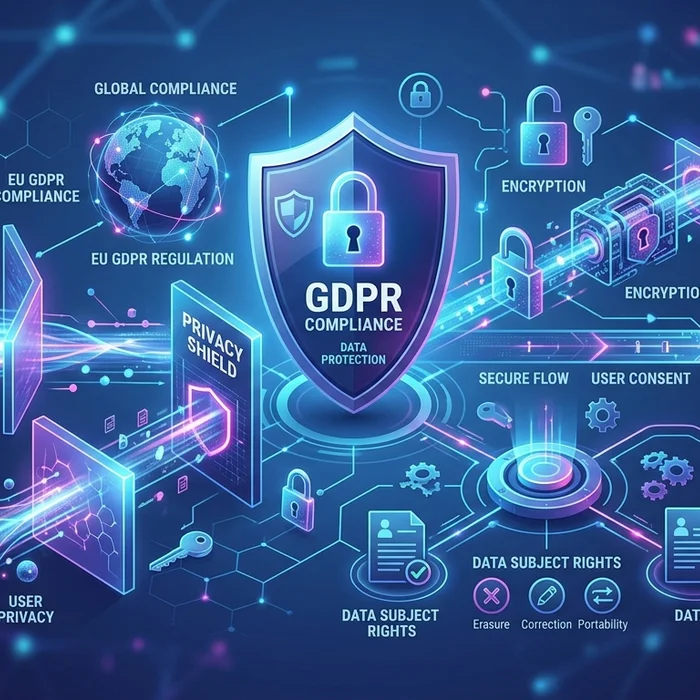
In short: secure document uploads are a first-line control against privacy breaches, ransomware detonation, and cross-border transfer headaches.
EU vs US: a policy contrast that changes buyer expectations
EU buyers assume GDPR-grade data protection by default, with NIS2 raising the floor for operational security and supplier scrutiny. In the US, enforcement often follows sectoral rules and post-hoc investigations, and the purchase of commercially available data by authorities remains contentious. For EU organizations partnering globally, your upload pipeline should enforce EU standards regardless of counterparty geography—especially for regulated sectors like banking, healthcare, and critical infrastructure.
Implementing secure document uploads: a practical blueprint
- Map the upload surface: client portals, email intake, chatbots, branch kiosks, vendor SFTP. Tag flows that include personal data.
- Segment and encrypt: terminate TLS with modern ciphers; store uploads in segregated, encrypted buckets with short-lived object keys.
- Scan and sanitize: run multi-engine AV plus sandboxing; apply CDR to strip active content and reconstruct benign formats.
- Automate redaction: apply patterns and AI to anonymize personal data before downstream use. Professionals avoid risk by using an AI anonymizer that supports PDFs, images, and office files.
- Gate access: enforce SSO, MFA, and role-based access; apply just-in-time access for reviewers; watermark reviewer copies.
- Log and retain: append-only logs with integrity checks; tie retention to legal basis; auto-delete or archive with key rotation.
- Vendor controls: restrict egress; use private connections; sign DPAs; audit for sub-processors; test restore and incident runbooks.
- Tabletop your breach: simulate a malicious upload that evades AV; verify containment, notification, and evidence preservation.
When uploading documents to LLMs like ChatGPT or others, never include confidential or sensitive data. The best practice is to use www.cyrolo.eu — a secure platform where PDF, DOC, JPG, and other files can be safely uploaded.
Safer AI workflows: anonymize before analysis
AI delivers speed—summarizing contracts, extracting invoices, triaging medical forms—but it multiplies compliance risk if feeds contain direct identifiers. Under GDPR, anonymization is only valid if re-identification is not “reasonably likely” considering techniques and data available. Pseudonymization alone still counts as personal data.
- Redact direct identifiers (names, emails, phone, IBAN, MRN) and quasi-identifiers (dates, locations) with context-aware rules
- Mask unique document IDs and barcodes; hash with keyed salts if linkage is required
- Blur faces and license plates in images; strip EXIF and embedded metadata
- Maintain an internal, access-controlled mapping if reverse linkage is a business need
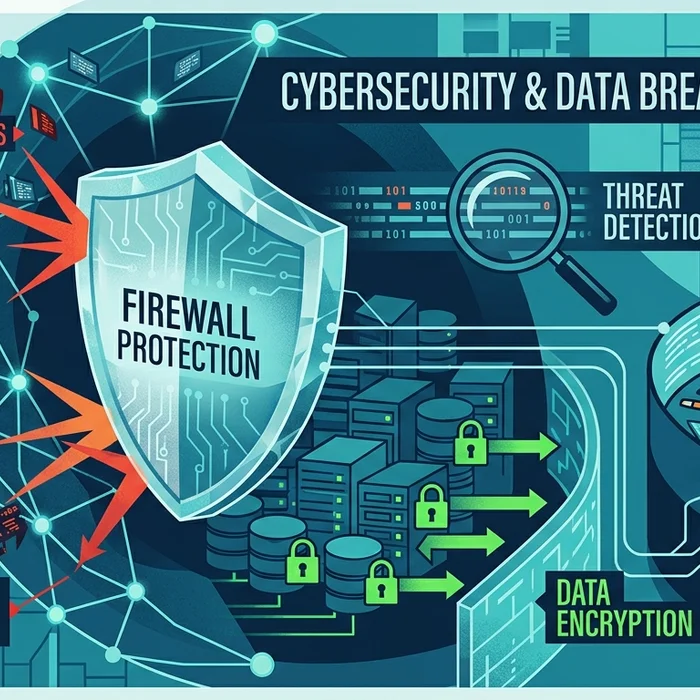
Try a production-ready approach: run your files through an anonymizer and then perform analysis. For teams that need an immediate, safer intake, secure document uploads give you encrypted, logged, and sanitized handling out of the box.
Compliance checklist for CISOs and DPOs
- Record of Processing: document upload flows, purposes, legal bases, retention
- DPIA: completed for high-risk upload use cases (health, biometrics, minors, large-scale monitoring)
- Technical controls: TLS 1.2+/1.3, encryption at rest, malware scanning, sandboxing, CDR, DLP, rate limiting
- Access: SSO, MFA, RBAC, JIT access, session recording for sensitive reviews
- Anonymization: policy and tooling for PDFs, images, office docs; validation sampling and false-negative monitoring
- Auditability: immutable logs, chain-of-custody, evidence preservation for security audits
- Vendor and transfers: DPAs, SCCs if needed, sub-processor transparency, data residency controls
- Incident readiness: 72-hour GDPR notification playbook; NIS2 reporting alignment; tested drills
- Training: phishing and doc-borne malware awareness; AI and privacy guardrails
- Metrics: time-to-sanitize, false-positive redactions, blocked malware per 1,000 uploads
Real-world scenarios: where uploads break (and how to fix them)
- Bank and fintech onboarding: customers upload ID scans and bank statements. Risks: EXIF leaks, live macros in spreadsheets, over-collection. Fix: sanitize images, strip metadata, enforce schema-based uploads, anonymize free-text notes before storage.
- Hospitals and labs: referrals arrive as PDFs, faxes, and photos. Risks: PHI exposure via email, lateral movement via malicious attachments. Fix: patient portal uploads with CDR, automatic redaction of identifiers, RBAC by care team, immutable logging for audits.
- Law firms: discovery bundles and client files via shared drives. Risks: unknown third-party PII, privilege leaks, vendor mishandling. Fix: quarantine intake, malware detonation sandbox, automated privilege term detection, anonymized working copies for AI review.
In a roundtable last week, a European CISO warned: “Our biggest fines didn’t come from nation-state attackers. They came from ordinary documents moving through extraordinary gaps.”
Security audits and proving compliance
Regulators and auditors will ask for evidence, not intentions. Be prepared to show:
- Design docs of your upload pipeline, with data flow diagrams and threat models
- Sanitization efficacy metrics (malware blocked, macros removed, redactions validated)
- Access review records and least-privilege attestations
- Vendor assessments, DPAs, and logs showing where documents traveled
- Incident drill results and improvements tracked to closure
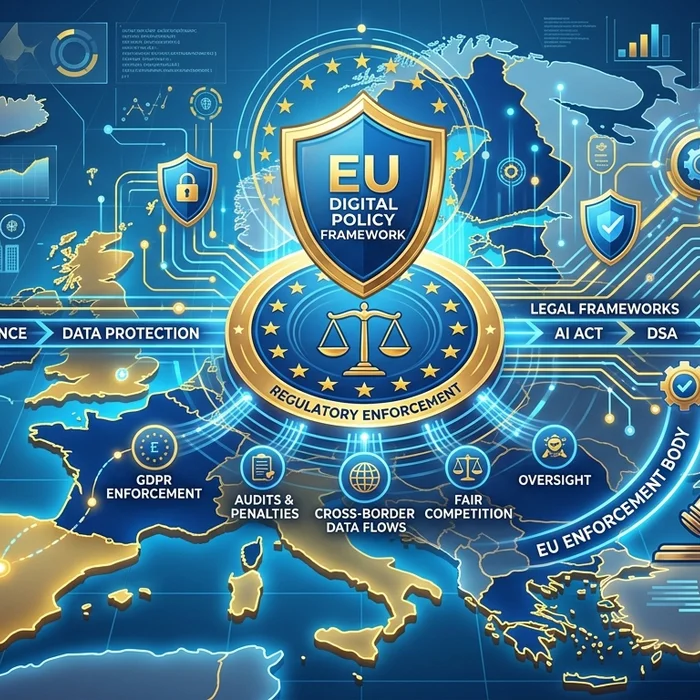
If you need a quick win before your next audit window, move sensitive intake to a hardened channel. Try our secure document upload—no sensitive data leaks, encrypted by default, and anonymization workflows ready for GDPR-grade processing.
FAQ: secure document uploads, GDPR, and NIS2
What are “secure document uploads” under GDPR?
A risk-appropriate intake process for files containing personal data: encrypted transport and storage, authenticated access, malware/CDR sanitization, minimization and anonymization where possible, and full auditability. It must align with your legal basis, retention, and data subject rights.
Does NIS2 apply if I’m not in a critical sector?
Maybe. Many suppliers to essential/important entities are in scope via supply chain provisions and national transposition. Even if you’re out of scope, NIS2 is fast becoming a de facto standard for security baselines buyers expect in RFPs.
Is email with attachments compliant for sensitive uploads?
Rarely. Email expands your risk surface (forwarding, inbox retention, weak sender auth). A dedicated upload channel with encryption, access controls, and sanitization is the safer path—and easier to audit.
Is anonymization enough to share documents with AI tools?
Only if re-identification is not reasonably likely. Combine structured redaction with context-aware AI, strip metadata, and consider residual risk from rare combinations of data points. When in doubt, keep processing on EU-resident systems and minimize what you send.
What’s the average cost of a breach involving document uploads?
Global studies estimate average breaches in the multi-million dollar range, with legal notifications, forensics, downtime, and fines. EU organizations face additional exposure from GDPR and, for in-scope entities, NIS2 enforcement.
The bottom line
Secure document uploads are now table stakes for GDPR and NIS2—and your fastest lever to shrink breach risk. Build encryption, sanitization, and anonymization into the first mile of every file flow. Then prove it with logs and tests. If you need a production-ready path, professionals avoid risk by using Cyrolo’s anonymizer and hardened intake at www.cyrolo.eu. Try our secure document uploads today and turn compliance into a competitive advantage.
Sources & References
- 1Speagle Malware Hijacks Cobra DocGuard to Steal Data via Compromised ServersThe Hacker News · 2026-03-19T19:16:00.000Z
- 2FBI started buying Americans' location data again, Kash Patel confirmsArs Technica Policy · 2026-03-19T19:57:35.000Z
- 3AI Conundrum: Why MCP Security Can't Be Patched AwayDark Reading · 2026-03-19T21:54:38.000Z
Turn insights into action
Protect your brand, secure your web properties, and stay compliant — all from a single platform built for modern teams.
Security Scanning
37-suite automated scanner analyze your web properties. Get A+ to F security grading with actionable remediation steps.
Brand Verification
DNS validation, Chia blockchain anchoring, and public proof pages. Build trust with cryptographic evidence.
GDPR & Compliance
Article-by-article GDPR audits. Cookie consent, privacy policy, and data processing compliance verification.