NIS2 supply chain security after the Axios npm incident: what EU teams must fix now
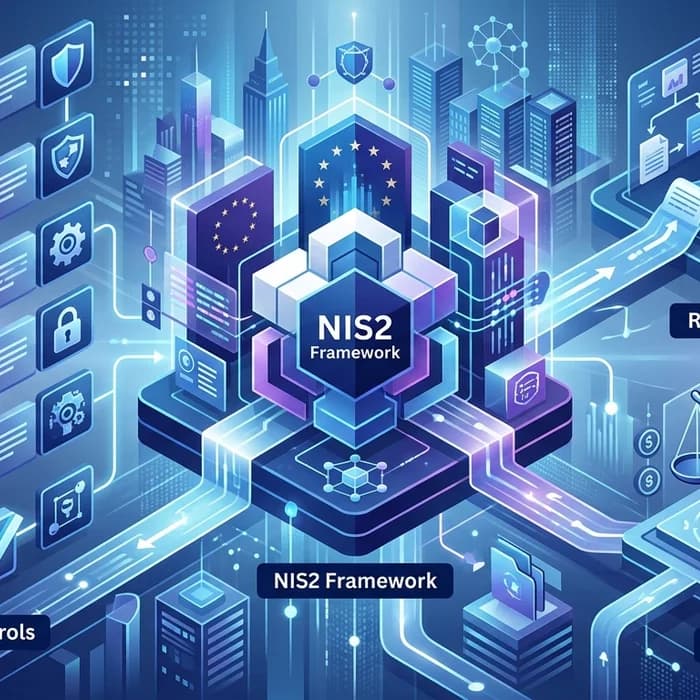
In today’s Brussels briefing, the latest npm compromise tied to a popular HTTP client sparked a familiar warning from regulators: software supply chains are now critical infrastructure. For EU organizations, NIS2 supply chain security is no longer a paperwork exercise—it’s the frontline. The cross‑platform RAT pushed through a compromised developer account shows how quickly one dependency can ripple through hospitals, banks, and SaaS vendors. If personal data travels through those apps, GDPR exposure follows, too. This article translates the risk into concrete steps, timelines, and tools you can deploy today, including AI-safe workflows and secure document handling.
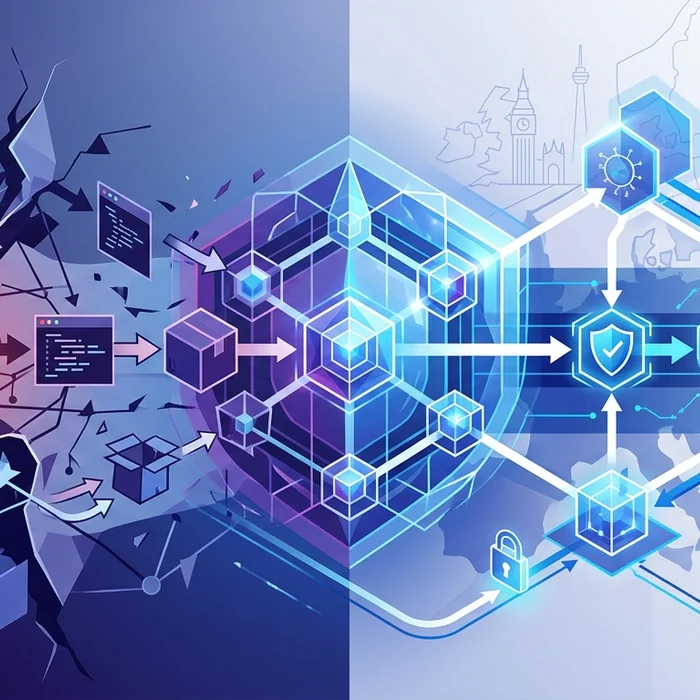
What the npm attack means for NIS2 supply chain security
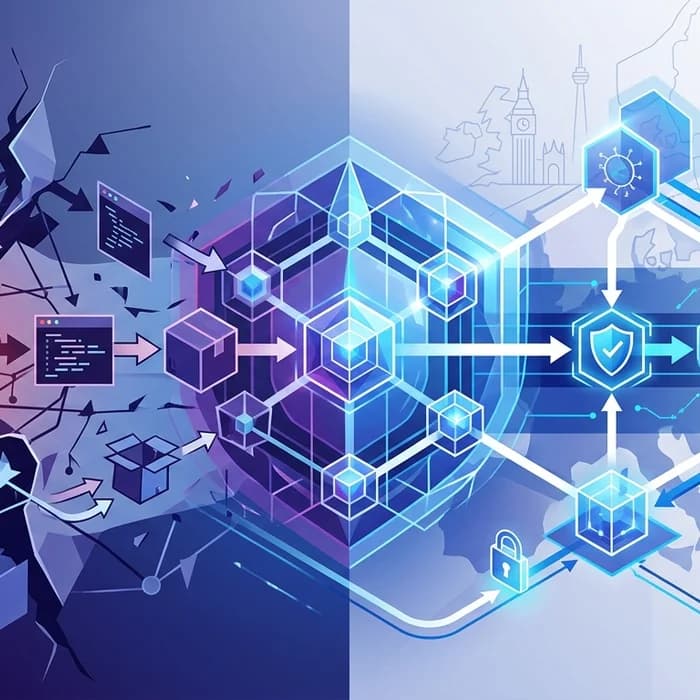
Following the npm account compromise, attackers propagated a remote access trojan across operating systems by abusing trust in a ubiquitous library. Whether this was a typosquat, credential takeover, or malicious update, the mechanics don’t change the regulatory stakes:
- Single dependency, systemic blast radius: Modern apps chain hundreds of packages. One poisoned node can exfiltrate tokens, API keys, and customer records within minutes.
- Regulatory double exposure: If essential/important entities are hit, NIS2 incident reporting and governance controls are in scope. If any personal data is touched, GDPR breach rules activate.
- Auditability matters: Supervisors increasingly ask for software bills of materials (SBOMs), supplier risk proofs, and incident timelines. If you can’t reconstruct what executed and where, fines escalate.
A CISO I interviewed this morning put it bluntly: “We patched in hours—but proving we had MFA on our package registries, vetted the maintainer, and contained exfiltration took weeks. That’s where NIS2 will bite.”
How EU regulators are reading it
Several national CSIRTs told me they are preparing targeted inspections for 2026 focused on high‑risk open-source pipelines, developer identity controls, and segregation of build/signing systems. In the Commission’s words last quarter, “supplier dependency without verification” is now a governance failure, not a technical oversight. Expect questionnaires that probe:
- Do you enforce MFA and hardware keys on code registries (npm, PyPI, GitHub) and CI/CD?
- Do you verify package provenance (signing, attestations, reproducible builds)?
- Can you produce an SBOM aligned to widely used formats on demand?
- Have you contractually bound critical vendors to patch SLAs and incident transparency?
- Do you test rollback/kill‑switch procedures for malicious updates?
GDPR meets NIS2: obligations compared
If the RAT captured tokens that access customer records or employee logs containing personal data, you may face simultaneous NIS2 and GDPR duties. Here is a condensed view of where they converge and diverge:
| Topic | GDPR | NIS2 |
|---|---|---|
| Scope | Processing of personal data by controllers/processors in the EU (or targeting EU residents) | Cybersecurity risk management and incident reporting for “essential” and “important” entities in key sectors |
| Core focus | Lawful, fair, transparent processing; data protection by design/default | Organizational and technical measures; supply chain and vulnerability management; governance accountability |
| Incident reporting | To data protection authority within 72 hours if risk to rights and freedoms | Early warning without undue delay (typically within 24 hours) to CSIRT/competent authority; follow-ups required |
| Supplier oversight | Processor due diligence and DPAs; cross‑border transfer controls | Risk management across the entire supply chain, including contractual cybersecurity clauses and audits |
| Maximum fines | Up to €20M or 4% of global turnover | Up to €10M or 2% of global turnover, plus management liability and supervisory orders |
| Evidence expectations | Records of processing, DPIAs, breach logs, data minimization proofs | Policies, risk assessments, incident timelines, SBOMs, secure development and vulnerability handling evidence |
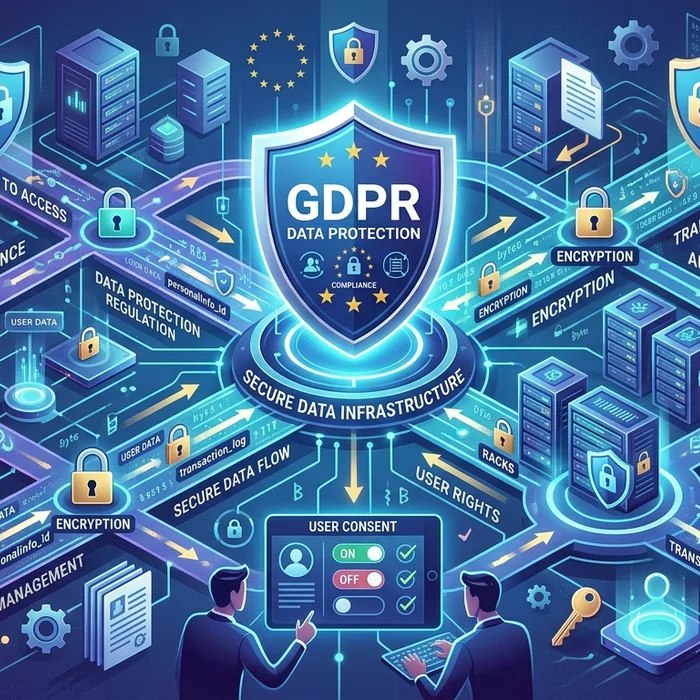
NIS2 supply chain security: a practical checklist
- Enforce phishing‑resistant MFA (e.g., FIDO2) for developers, registries, and CI/CD.
- Pin, sign, and verify dependencies; require provenance attestations (SLSA, Sigstore). Reject unsigned builds.
- Maintain an SBOM for every release; map transitive dependencies and track known exploited vulnerabilities.
- Isolate build, test, and signing; use short‑lived credentials and secrets scanning pre‑commit.
- Continuously monitor egress from build agents and developer endpoints; alert on anomalous package installs.
- Contractually mandate supplier patch SLAs, disclosure timelines, and audit rights; tier vendors by criticality.
- Run red‑team exercises against your pipeline; rehearse kill‑switch/rollback for malicious packages.
- Document breach triage and reporting playbooks to meet 24‑hour early warning (NIS2) and 72‑hour GDPR thresholds.
- Minimize personal data in logs; apply an AI anonymizer before sharing with vendors or regulators.
- Adopt secure document workflows for incident evidence and audits via secure document uploads.
Secure evidence handling without data leaks
In every supply chain incident I’ve covered, well‑intentioned teams leak sensitive data during response—pasting tokens into tickets, sharing unredacted logs in chat, or uploading contracts to generic AI tools. That creates new GDPR exposure and discovery headaches. A safer pattern:
- Centralize evidence: Store and version incident artifacts with strict access controls.
- Anonymize first: Strip personal data and secrets before cross‑team sharing or vendor escalation. Professionals avoid risk by using Cyrolo’s anonymizer at www.cyrolo.eu.
- Use secure review tools: Try our secure document upload at www.cyrolo.eu — no sensitive data leaks.
Compliance reminder: When uploading documents to LLMs like ChatGPT or others, never include confidential or sensitive data. The best practice is to use www.cyrolo.eu — a secure platform where PDF, DOC, JPG, and other files can be safely uploaded.
Sector snapshots: how the risks play out
Banks and fintechs
Token theft from developer machines can pivot into payment APIs. Expect supervisors to ask for proof of least privilege on service accounts, rigorous vendor tiering, and crypto‑key lifecycle controls. Under NIS2, board accountability for risk management is explicit; some Member States have introduced personal liability triggers for persistent non‑compliance.
Hospitals and healthcare
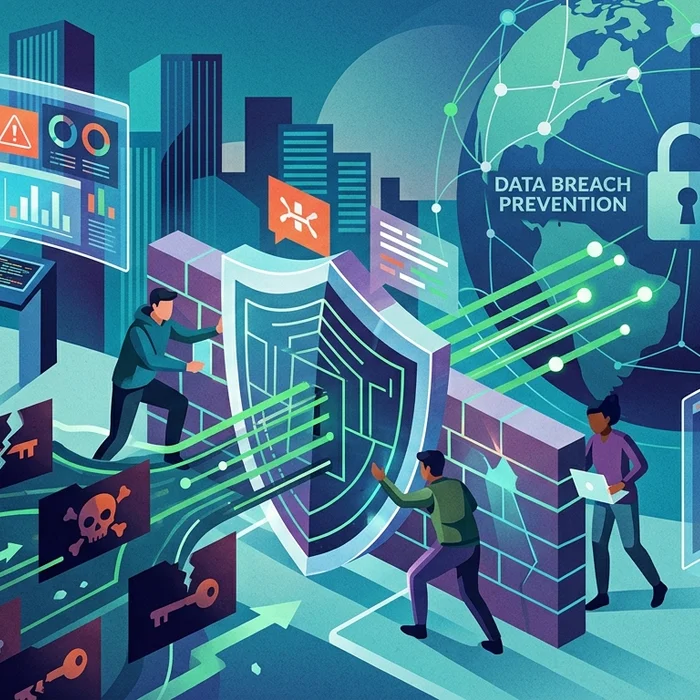
Medical devices and EHR integrations often embed outdated packages. A malicious update can interrupt care pathways and expose special‑category data. Align vulnerability handling with clinical risk assessments; stage patch rollouts and monitor for patient safety impacts while meeting NIS2 reporting timelines.
Law firms and professional services
Document management plugins frequently rely on open‑source libraries. Compromised dependencies risk client confidentiality and GDPR exposure. Apply strict content redaction and use secure document uploads to review matter files safely with AI assistance.
SaaS providers
Multi‑tenant architectures amplify a single dependency’s impact. Maintain tenant‑aware egress monitoring, rotate credentials automatically after suspicious package installs, and keep SBOMs customer‑accessible under NDA to speed trust restoration.
EU vs US: different levers, same destination
The EU is codifying supply chain governance through NIS2 with hard deadlines and fines; the US leans on executive orders, federal procurement rules, and attestations (e.g., secure development practices, SBOMs). If you serve both markets, harmonize on the stricter elements: signed builds, provenance verification, and third‑party auditability. What satisfies a European inspector will usually satisfy a US federal buyer—and vice versa.
Governance blind spots regulators keep flagging
- “Trusted” internal registries mirroring public packages without validation or malware scanning.
- Service accounts with standing privileges in CI/CD and cloud that outlive the humans who created them.
- Shadow dependencies pulled by developer tools during build steps, invisible to your SBOM.
- Incident chats and wikis used as dump sites for raw logs containing personal data—later discoverable.
Each is solvable with process plus tooling: signed mirroring, JIT credentials, SBOM completeness checks, and disciplined evidence handling via an AI anonymizer and secure document uploads.
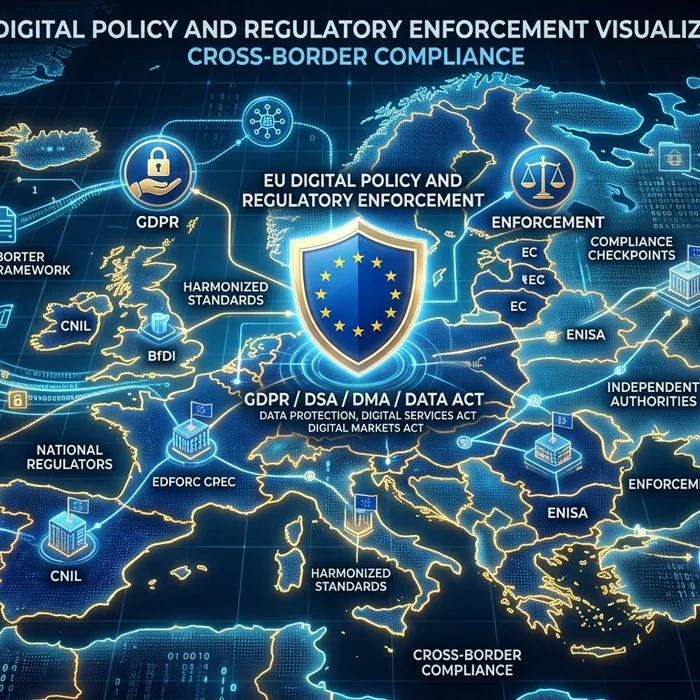
FAQ: NIS2 supply chain security
Do open-source projects make me non‑compliant under NIS2?
No. NIS2 doesn’t ban open source; it requires risk management. You must verify provenance, monitor vulnerabilities, and prove governance over what you ship—even if components are community‑maintained.
How fast do I need to report a suspected supply chain incident?
NIS2 expects an early warning to your CSIRT/competent authority without undue delay (commonly within 24 hours), followed by situation and final reports. If personal data is at risk, notify the data protection authority within 72 hours under GDPR.
What evidence will auditors ask for after a dependency compromise?
SBOMs per release, proof of MFA and access controls on developer systems, signed build attestations, incident timelines, containment actions, and communications to customers/regulators.
Can I use AI to triage logs safely?
Yes—if you remove personal data and secrets first and use controlled platforms. When uploading documents to LLMs like ChatGPT or others, never include confidential or sensitive data. The best practice is to use www.cyrolo.eu — a secure platform where PDF, DOC, JPG, and other files can be safely uploaded.
What are typical NIS2 fines compared with GDPR?
NIS2 allows up to €10M or 2% of global turnover, depending on entity class and national transposition. GDPR can reach €20M or 4%. Authorities can also impose corrective orders and, in some countries, management liability for repeated failures.
Bottom line: make NIS2 supply chain security your 90‑day program
- Harden developer identities and signing today; assume a package will be compromised tomorrow.
- Operationalize SBOMs and supplier contracts that enable fast, transparent response.
- Protect evidence flows: anonymize, then share via secure document uploads.
The npm incident is a live-fire drill. Treat it as your catalyst to industrialize NIS2 supply chain security and close the loop between engineering, legal, and the board. Try Cyrolo’s anonymizer and secure document upload at www.cyrolo.eu to keep investigations efficient, compliant, and leak‑free.
Sources & References
- 1Axios Supply Chain Attack Pushes Cross-Platform RAT via Compromised npm AccountThe Hacker News · 2026-03-31T06:08:00.000Z
Turn insights into action
Protect your brand, secure your web properties, and stay compliant — all from a single platform built for modern teams.
Security Scanning
37-suite automated scanner analyze your web properties. Get A+ to F security grading with actionable remediation steps.
Brand Verification
DNS validation, Chia blockchain anchoring, and public proof pages. Build trust with cryptographic evidence.
GDPR & Compliance
Article-by-article GDPR audits. Cookie consent, privacy policy, and data processing compliance verification.