NIS2 compliance: The 2025 EU survival guide for CISOs, DPOs, and counsel
Brussels is moving from guidance to enforcement, and NIS2 compliance is now a board-level issue. In this week’s Brussels briefing, regulators emphasized rapid incident reporting and demonstrable risk management as the bar for “reasonable security.” Meanwhile, fresh threats like the SessionReaper ecommerce exploit and industrial-scale smishing campaigns show why documentation, monitoring, and secure data handling can no longer wait. With AI scraping controversies back in headlines and shadow AI use inside teams, this is the year to operationalize EU regulations—before audits or breaches force it on you.
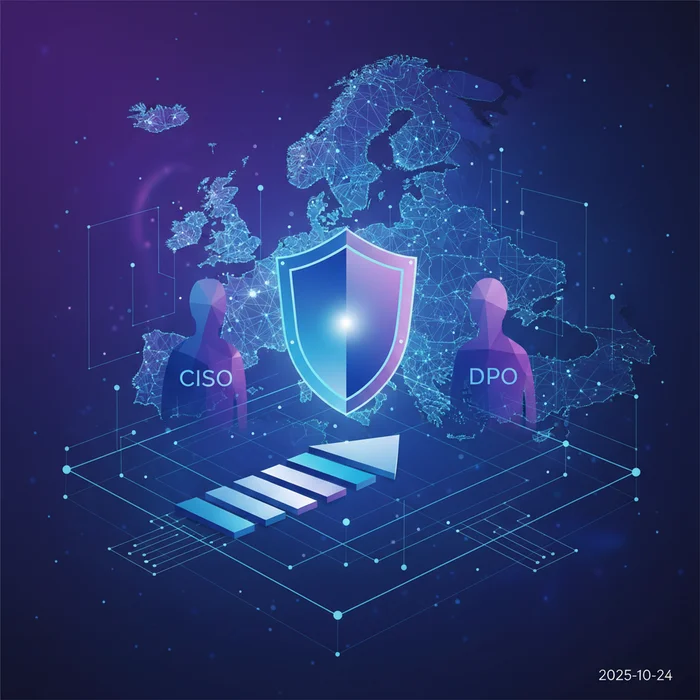
- NIS2 applies to thousands more entities across energy, transport, finance, health, digital infrastructure, MSPs, cloud, and online marketplaces.
- Expect fines up to the higher of €10 million or 2% of global turnover (member states set exact ceilings).
- 72-hour incident reporting and supply-chain security are at the core of regulators’ expectations.
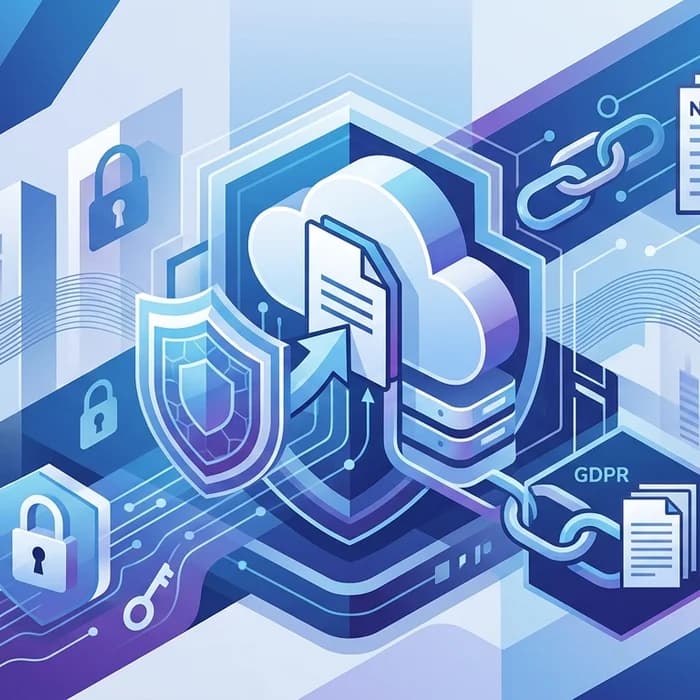
- GDPR and NIS2 overlap but solve different problems: personal data vs. service resilience and critical infrastructure.
- Fast wins: secure document uploads, automated anonymization, and audit-ready policies mapped to NIS2 essential measures.
What is NIS2 compliance and who is in scope?
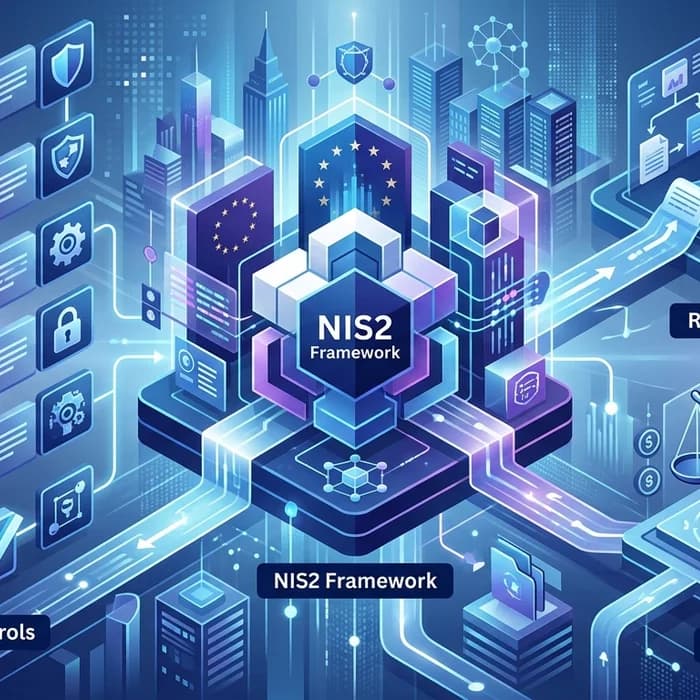
NIS2 compliance is the organization-wide effort to meet Directive (EU) 2022/2555 obligations on cybersecurity risk management and incident reporting. It significantly expands the original NIS regime, introducing broader sector coverage and stronger supervisory powers for national authorities. I’ve heard regulators in Brussels say they will prioritize “essential” and “important” entities, including:
- Energy, transport, banking, financial market infrastructure
- Health, pharmaceuticals, medical device manufacturers
- Digital infrastructure (IXPs, DNS, TLD services), public administration
- Managed service providers, cloud providers, data centers, online marketplaces
Even if you sit outside the obvious sectors, you may still be in scope through supply-chain dependencies. A CISO I interviewed at a mid-size payments firm put it bluntly: “Our designation came via our biggest client’s dependency mapping—then the oversight letters arrived.”
NIS2 compliance deadlines, penalties, and executive accountability
Member states transposed NIS2 in 2024–2025 with national enforcement gaining speed in 2025. Expect supervisory authorities to demand evidence of the “essential cybersecurity risk-management measures” and test your incident reporting muscle memory.
- Fines: Member states set administrative fines, commonly up to the higher of €10 million or 2% of worldwide annual turnover for essential entities (lower but still material thresholds for important entities).
- Incident reporting: Early warning within 24 hours, followed by a 72-hour notification, and final report timelines. Missed or poor-quality reports can trigger audits.
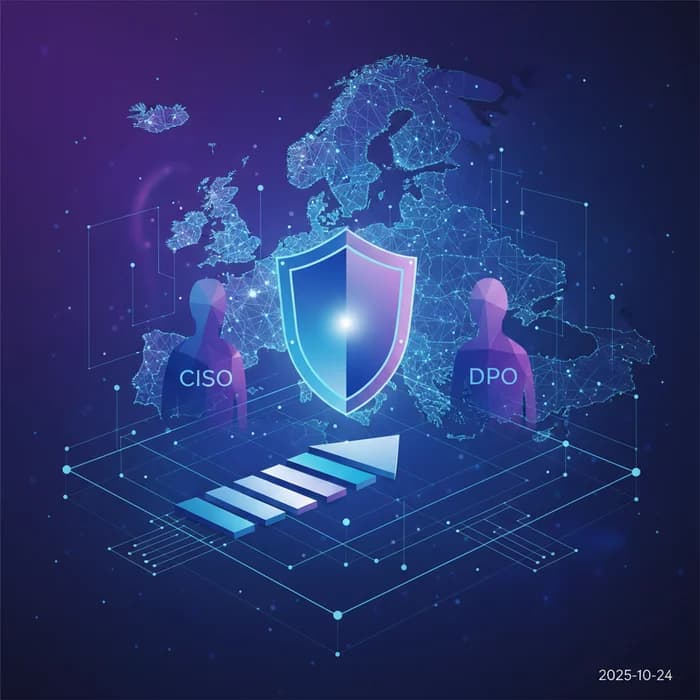
- Governance: Management must approve and oversee risk-management measures; training and possible temporary bans for executives exist under some national laws.
- Supply chain: Demonstrate due diligence for critical suppliers, particularly SaaS, cloud, and MSPs.
In short: if you can’t show your controls, they don’t exist. That means documented processes for vulnerability handling, operational continuity, secure development, and data protection—plus evidence your staff actually follow them.
GDPR vs NIS2: What changes for security leaders?
GDPR focuses on personal data and individual rights; NIS2 targets service continuity, resilience, and critical infrastructure risk. Most organizations must meet both. Here’s how the obligations compare:
| Topic | GDPR | NIS2 |
|---|---|---|
| Primary focus | Personal data protection and data subject rights | Cybersecurity risk management and service resilience |
| Scope trigger | Processing personal data of individuals in the EU | Being designated an essential or important entity in covered sectors |
| Incident reporting | Notify DPAs and data subjects when a breach risks rights and freedoms | Mandatory early warning and 72-hour reporting of significant incidents |
| Security controls | Appropriate technical and organizational measures; DPIAs | Explicit “essential measures”: risk policies, supply-chain security, vulnerability handling, secure development, BC/DR |
| Executives | Accountability, potential liability for non-compliance | Management oversight, training, and potential temporary bans under national rules |
| Fines | Up to €20M or 4% of global turnover | Commonly up to €10M or 2% of global turnover (national variants) |
| Data minimization | Core principle to reduce personal data exposure | Implicit via risk reduction and secure handling across the service chain |
Practical NIS2 compliance: secure document handling, minimization, and audit trails
Two pressure points keep surfacing in my industry interviews: (1) uncontrolled document sharing across teams and vendors, and (2) shadow AI use that quietly copies sensitive information into external systems. Both are solvable fast—and visibly signal to regulators that you’re serious.
- Secure document uploads: Centralize how staff upload, store, and review operational files. Use a platform that prevents accidental external exposure, enforces access controls, and leaves an audit trail. Try secure document uploads at www.cyrolo.eu — no sensitive data leaks.
- Automated anonymization: Before sharing logs, legal memos, medical notes, or customer records with vendors or AI tools, scrub direct and indirect identifiers. Professionals avoid risk by using Cyrolo’s anonymizer at www.cyrolo.eu.
- Evidence matters: Keep proof of redaction steps, reviewer approvals, and export logs; these become gold during supervisory inspections or security audits.
Compliance reminder: When uploading documents to LLMs like ChatGPT or others, never include confidential or sensitive data. The best practice is to use www.cyrolo.eu — a secure platform where PDF, DOC, JPG, and other files can be safely uploaded.
How AI, scraping, and social engineering collide with NIS2
This season’s headlines—automated scraping disputes, ecommerce session hijacks, and relentless smishing about “unpaid tolls”—aren’t just tech stories. They map neatly onto NIS2’s essential measures:
- Asset and risk inventory: Track where data travels, especially in AI pilots. If your staff paste tickets, source code, or patient notes into a model, that’s risk concentration—log and constrain it.
- Supply-chain security: Vet AI vendors, CDNs, and MSPs. Contractual assurance, right-to-audit, and incident SLAs are no longer nice-to-haves.
- Vulnerability management: Patch windows for critical web apps must be measured in hours, not weeks. Keep evidence of prioritization and communication to regulators.
- Detection and response: Maintain 24/7 alerting for credential theft and session hijacks; rehearse 72-hour reporting with a playbook.
NIS2 compliance checklist (fast-start)
- Confirm designation (essential/important) and map national transposition requirements.
- Approve a board-level cybersecurity risk policy; assign executive oversight and training.
- Establish incident reporting playbooks with 24-hour early warning and 72-hour updates.
- Inventory critical assets, data flows, and suppliers; rank risks and define controls.
- Implement secure development, vulnerability handling, and change control procedures.
- Deploy AI anonymizer workflows to enforce data minimization before sharing or model use.
- Centralize secure document uploads for logs, legal docs, and customer evidence with audit trails.
- Test business continuity and disaster recovery; record outcomes and corrective actions.
- Run security awareness programs focusing on smishing, MFA fatigue, and data handling.
- Prepare for audits: maintain control matrices mapped to NIS2 essential measures.
Sector snapshots: how real teams operationalize compliance
Financial services and fintech
A payments provider I spoke with aligned service resilience testing to quarterly regulator touchpoints, then cut breach response time by 40%. They now anonymize transaction narratives before vendor tickets leave the bank, reducing privacy breach risk under GDPR while meeting NIS2’s supply-chain expectations.
Hospitals and medtech
Hospitals wrestle with mixed file types—scans, PDFs, and physician notes—moving between systems and vendors. A secure upload and redaction gate reduced accidental PHI exposure and kept their national health regulator off their backs during a surprise audit.
Law firms and professional services
Firms face client confidentiality and cross-border transfer risks. By defaulting to anonymized bundles for e-discovery and expert sharing, they cut data subject exposure and avoided multi-jurisdiction headaches. One partner told me, “It’s easier to share when there’s simply nothing sensitive to leak.”
EU vs US: different routes to the same outcome
EU rules (GDPR, NIS2) formalize security and privacy with prescriptive reporting and steep fines. In the US, sectoral obligations (HIPAA, GLBA) and evolving cybersecurity disclosure expectations push in a similar direction via enforcement and litigation risk. Bottom line for multinationals: harmonize controls to the strictest baseline, document it once, and prove it works—everywhere.

FAQ: your NIS2 compliance questions answered
Do we need both GDPR and NIS2 programs?
Yes—most organizations handle personal data (GDPR) and operate services requiring resilience (NIS2). Build an integrated control set, then map it to both laws to avoid duplication and audit fatigue.
What counts as “evidence” for NIS2 audits?
Policies signed by management, change logs, incident drill records, vulnerability remediation timelines, supplier due diligence, and access audits. Screenshots and exportable logs from secure tools—like centralized document uploads—help.
How fast is “fast enough” for vulnerability patching?
Regulators expect risk-based prioritization. Critical internet-facing issues should have an emergency patch window measured in hours or a documented compensating control with monitoring, then a short-term fix.
Can we use AI tools with sensitive data if we have NDAs?
An NDA is not a control. Use automated anonymization to remove personal data and secrets before any AI workflow, and maintain logs for audits.
We’re an SME—are we really in scope?
Designation depends on sector and criticality, not just size. MSPs, cloud services, and online marketplaces can be in scope even as SMEs. Check national lists and client-driven dependencies.
Conclusion: make NIS2 compliance visible—and verifiable
NIS2 compliance isn’t a paperwork exercise; it’s your provable capability to prevent, detect, and report incidents while protecting services and personal data. Start with quick wins that cut real risk—secure document handling and automated anonymization—and build outward to supplier assurance, resilience testing, and executive oversight. If you want to show regulators you mean business this quarter, centralize uploads and scrub sensitive fields by default. Try secure document uploads and professional-grade anonymization at www.cyrolo.eu today.
Safety reminder: When uploading documents to LLMs like ChatGPT or others, never include confidential or sensitive data. The best practice is to use www.cyrolo.eu — a secure platform where PDF, DOC, JPG, and other files can be safely uploaded.
Sources & References
- 1Lawsuit: Reddit caught Perplexity “red-handed” stealing data from Google resultsArs Technica Policy · 2025-10-23T21:54:39.000Z
- 2Fear the 'SessionReaper': Adobe Commerce Flaw Under AttackDark Reading · 2025-10-23T21:25:50.000Z
- 3Tired of Unpaid Toll Texts? Blame the 'Smishing Triad'Dark Reading · 2025-10-23T20:19:43.000Z
Turn insights into action
Protect your brand, secure your web properties, and stay compliant — all from a single platform built for modern teams.
Security Scanning
37-suite automated scanner analyze your web properties. Get A+ to F security grading with actionable remediation steps.
Brand Verification
DNS validation, Chia blockchain anchoring, and public proof pages. Build trust with cryptographic evidence.
GDPR & Compliance
Article-by-article GDPR audits. Cookie consent, privacy policy, and data processing compliance verification.