NIS2 compliance in 2026: A practical EU playbook to avoid fines, breaches, and AI data leaks
In today’s Brussels briefing, regulators emphasized that NIS2 compliance is no longer theoretical: supervisory authorities are moving from guidance to audits, with penalties and personal accountability on the table. After a week of headlines about a mobile SDK flaw exposing tens of millions of users and new phishing waves against NGOs, the message is clear—operational resilience and data protection must tighten across Europe. This guide breaks down what NIS2 means alongside GDPR, the fastest ways to close gaps, and how to stop accidental data leakage through AI and document workflows—without slowing your team down.
Why this matters now
- Deadlines are real: Member States transposed NIS2 in late 2024, and 2025–2026 is the audit-and-enforcement phase, especially for essential and important entities.
- Penalties bite: NIS2 empowers authorities to impose fines up to €10 million or 2% of global turnover (whichever is higher), with management liability for serious failures. GDPR still carries up to €20 million or 4% of global turnover.
- Threats keep escalating: Recent European briefings cite supply chain compromises, poisoned updates, and targeted spear‑phishing as top vectors—often exploiting weak vendor governance and unsecured internal document handling.
NIS2 compliance: What regulators expect in 2026
Here’s the short version I heard echoed by a financial‑sector CISO I interviewed last month: “It’s not a paper exercise anymore. Show me risk management in code, contracts, and culture—or expect findings.”
- Risk management and governance: Board‑level oversight, documented security policies, and role‑based accountability.
- Technical and operational measures: Asset inventories, patch and vulnerability management, secure development, logging, and monitoring.
- Supply chain security: Due diligence on vendors, contractual security clauses, and continuous assurance for critical providers.
- Incident reporting: Early warning within 24 hours, a more complete report within 72 hours, and a final report within one month.
- Business continuity: Backups, tested recovery plans, and resilience exercises.
- Training and awareness: Regular, risk‑based programs, including phishing and data handling drills.
GDPR vs NIS2: Who governs what (and where they overlap)
| Area | GDPR | NIS2 |
|---|---|---|
| Primary focus | Personal data protection and privacy rights | Network and information systems security and resilience |
| Scope | Any controller/processor handling personal data of EU residents | Essential and important entities across sectors (e.g., finance, health, energy, digital) |
| Key obligations | Data minimisation, lawful basis, DPIAs, breach notification, data subject rights | Risk management, incident reporting timelines, supply chain assurance, governance |
| Incident notification | Supervisory authority within 72 hours if likely risk to rights/freedoms | Early warning in 24h; more complete report in 72h; final within 1 month |
| Penalties | Up to €20M or 4% of global turnover (higher applies) | Up to €10M or 2% of global turnover (higher applies); management accountability |
| Overlap | Both demand strong security and breach reporting; poor security that triggers a personal‑data breach can lead to both GDPR and NIS2 exposure | |
Your fast‑track NIS2 compliance checklist
- Map scope: Identify whether you’re “essential” or “important” and list in‑scope services and assets.
- Assign accountable owners: Name an executive sponsor and technical leads; brief the board.
- Harden the basics: Patch cadence, MFA everywhere, endpoint protection, network segmentation, secure builds.
- Monitor and log: Centralised logging, alerting, and retention that supports forensic reconstruction.
- Supply chain controls: Security clauses, SBOMs or component transparency where feasible, breach notification terms, right to audit.
- Incident playbooks: Who calls whom within 24h, templates for 72h and one‑month reports, and regulator contact info at hand.
- Backups and recovery: Immutable backups, restore drills, and RTO/RPO aligned to critical services.
- Data handling hygiene: Clear rules for document sharing, redaction/anonymisation, and AI tool usage.
- Evidence pack: Policies, risk registers, training logs, test results, and board minutes—ready for an audit.
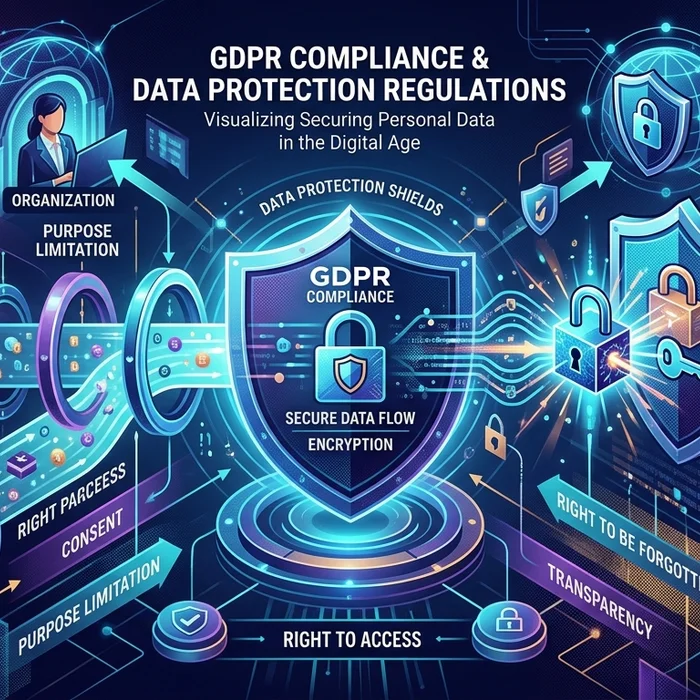
Stop the silent risk: Documents and AI tools leak more than you think
In every breach post‑mortem I’ve covered this year, ungoverned document sharing and AI copy‑pasting appear somewhere in the chain. Engineers drop logs into chatbots. Legal pushes draft contracts to “summarise quickly.” HR uploads IDs to translate forms. That creates GDPR exposure and, increasingly, NIS2 findings for inadequate risk controls.
Professionals avoid risk by using Cyrolo’s anonymizer instead of manual redaction—automating removal or masking of names, addresses, account numbers, and other personal data before content ever reaches analysis tools. And when files must be handled, try our secure document upload at www.cyrolo.eu—no sensitive data leaks.
Compliance note: When uploading documents to LLMs like ChatGPT or others, never include confidential or sensitive data. The best practice is to use www.cyrolo.eu — a secure platform where PDF, DOC, JPG, and other files can be safely uploaded.
How Cyrolo helps security and compliance teams
- AI anonymization that aligns with GDPR’s data minimisation principle and reduces breach impact across emails, PDFs, images, and scans.
- Guardrails for secure document uploads so teams can collaborate without pushing personal data into unmanaged apps or AI models.
- Audit‑friendly workflows: Keep a clean trail of who uploaded, who anonymized, and when—evidence you can hand to regulators.
Try it today: use Cyrolo’s anonymizer and secure document upload to cut breach risk without slowing delivery.
NIS2 compliance in action: Three real‑world scenarios
1) Bank modernising vendor stack
A mid‑size EU bank replaces a customer‑engagement SDK after a third‑party vulnerability exposes mobile users. With NIS2, the bank must demonstrate vendor due diligence, rapid patching, and 24/72/30‑day reporting discipline. By enforcing anonymization on bug reports and crash logs via Cyrolo before sharing with vendors, the bank reduces GDPR exposure while meeting NIS2’s supply chain expectations.
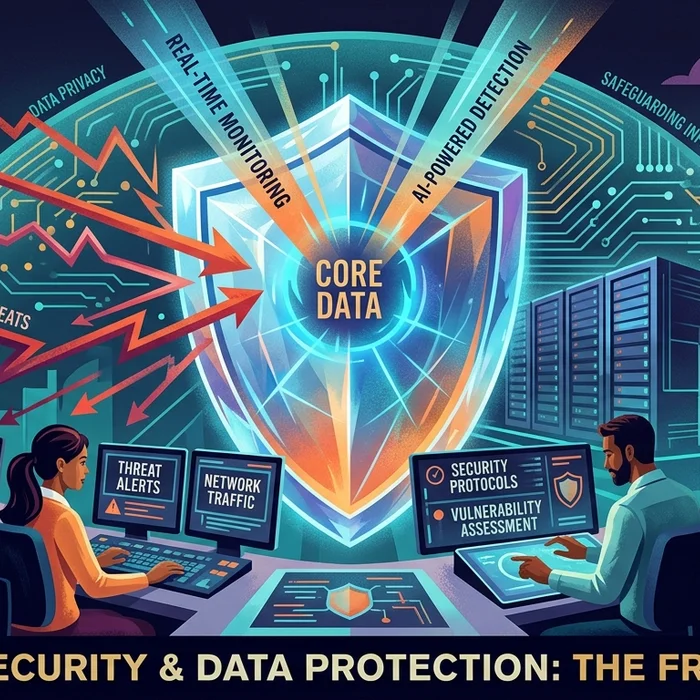
2) Regional hospital under phishing pressure
After targeted phishing harvests clinician credentials, the hospital faces service disruption. NIS2 requires fast notification and demonstrable measures. Mandatory MFA, segmented access, and secure document workflows—where patient documents are anonymized before AI triage—limit impact. Training records and tabletop exercises become critical audit evidence.
3) Law firm handling cross‑border discovery
A pan‑EU firm processes millions of pages for litigation. GDPR mandates minimisation; NIS2 expects controls against service disruption or data loss. The firm routes uploads through Cyrolo for automated redaction of personal data, enabling analytics without exposing identities—providing both privacy assurance and operational resilience.
Audits: What inspectors actually ask
- Show me your risk register—what’s the top five, who owns them, and what changed this quarter?
- Prove incident timing: when did you detect, who triaged, when did you notify within 24/72 hours?
- Demonstrate supply chain control: security clauses, test results, and how you reacted to the last vendor CVE.
- Evidence of training: phishing results, secure handling of documents, and AI tool usage policies.
- Logging and recovery: sample logs for the latest incident and proof you can restore within stated RTO/RPO.
Tip from a CISO I interviewed: prep an “evidence binder” that cross‑references each NIS2 article and the document that proves compliance—then keep it refreshed monthly.
EU vs US: Different levers, same direction
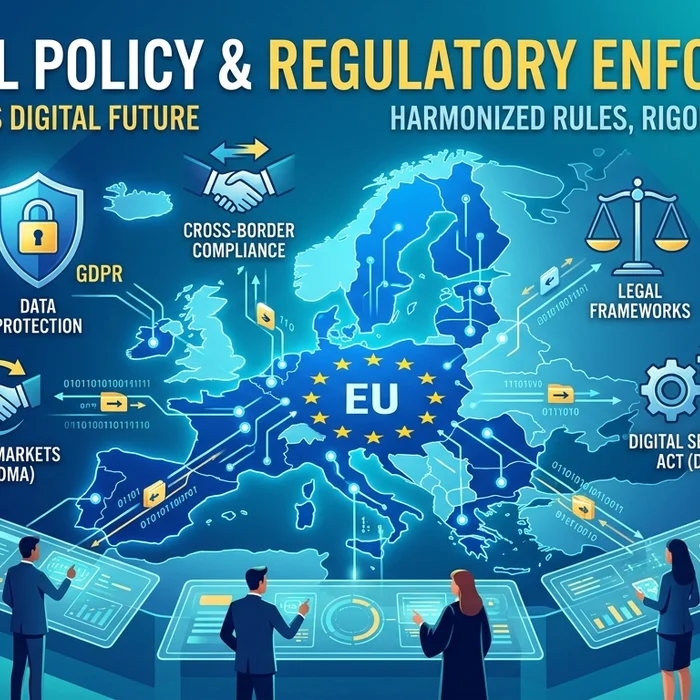
While US policy debates increasingly revolve around export controls and bans on specific AI technologies, the EU’s thrust is systemic resilience: risk management, vendor governance, and incident transparency. For multinationals, harmonise your baseline controls to NIS2: if you can pass an EU audit, you’re typically well‑positioned for sectoral US requirements too. The blind spot I still see in both regions: uncontrolled data flows into productivity and AI tools. Close that, and your breach surface shrinks dramatically.
FAQ: NIS2 and day‑to‑day operations
What is NIS2 compliance in simple terms?
It means proving you run essential/important services securely: you manage risks, harden systems, control vendors, and report serious incidents on tight deadlines. It’s operational, not just policy.
Are we in scope if we’re “just a supplier”?
Possibly. If you support essential/important entities or provide critical digital services, expect contractual flow‑down and due diligence. Even if not directly regulated, you will be assessed through your customers.
How does GDPR interact with NIS2?
GDPR covers personal data rights; NIS2 covers service resilience and security governance. A personal‑data breach can trigger both regimes. Strong anonymization and secure handling reduce joint exposure.
Do we really need anonymization for internal documents?
If those documents contain personal data and might be shared, analysed in AI tools, or sent to vendors, anonymization materially reduces GDPR risk and limits breach impact. Use Cyrolo’s anonymizer to automate it.
What are the incident reporting timelines under NIS2?
Early warning within 24 hours of becoming aware, a more complete report within 72 hours, and a final report within one month. Prepare templates and contacts in advance.
Conclusion: Make NIS2 compliance painless in 2026
NIS2 compliance isn’t about ticking boxes; it’s about making your operations provably resilient. Start with scope, lock down your vendors, rehearse incident reporting—and fix the everyday leak path hiding in document workflows. Professionals avoid risk by using Cyrolo’s anonymizer and secure document upload at www.cyrolo.eu to protect personal data while keeping teams productive. Do that, and your next audit—and breach—will be far less painful.
Sources & References
- 1EngageLab SDK Flaw Exposed 50M Android Users, Including 30M Crypto WalletsThe Hacker News · 2026-04-09T17:26:00.000Z
- 2UAT-10362 Targets Taiwanese NGOs with LucidRook Malware in Spear-Phishing CampaignsThe Hacker News · 2026-04-09T16:23:00.000Z
- 3Trump-appointed judges refuse to block Trump blacklisting of Anthropic AI techArs Technica Policy · 2026-04-09T18:07:56.000Z
- 4Police corporal created AI porn from driver's license picsArs Technica Policy · 2026-04-09T16:37:52.000Z
- 5First man convicted under Take It Down Act kept making AI nudes after arrestArs Technica Policy · 2026-04-09T15:43:40.000Z
- 6Do Ceasefires Slow Cyberattacks? History Suggests NotDark Reading · 2026-04-09T18:15:00.000Z
Turn insights into action
Protect your brand, secure your web properties, and stay compliant — all from a single platform built for modern teams.
Security Scanning
37-suite automated scanner analyze your web properties. Get A+ to F security grading with actionable remediation steps.
Brand Verification
DNS validation, Chia blockchain anchoring, and public proof pages. Build trust with cryptographic evidence.
GDPR & Compliance
Article-by-article GDPR audits. Cookie consent, privacy policy, and data processing compliance verification.