NIS2 compliance: The 2026 playbook for EU security leaders
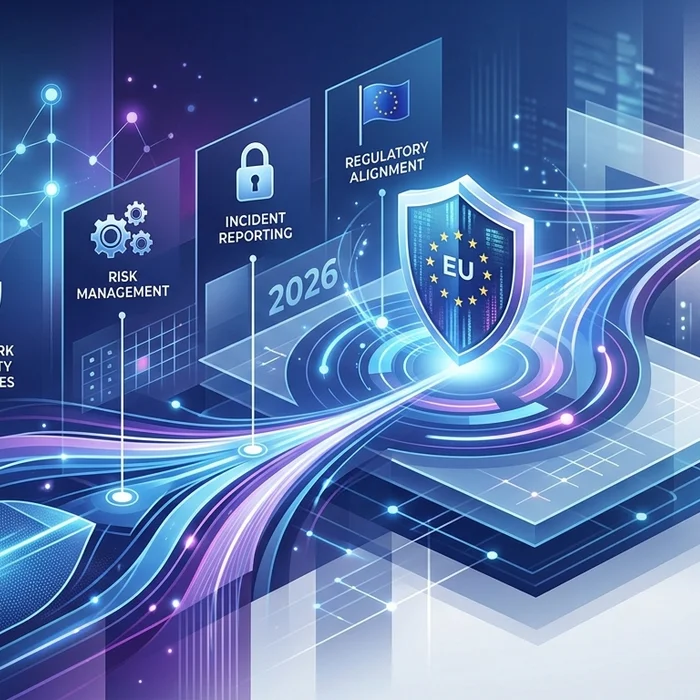
In today’s Brussels briefing, regulators emphasized that NIS2 compliance is now a board-level obligation, not an IT nice-to-have. With national transpositions in force across the EU and the first full inspection cycles under way in 2026, essential and important entities face tighter cybersecurity requirements, faster incident reporting, and steeper penalties. If you’re juggling GDPR, NIS2, and a surge in AI-enabled workflows, the risk of data leaks and privacy breaches rises sharply—especially when staff copy sensitive text into online tools. That’s why professionals are standardizing on secure anonymization and document uploads to keep personal data and trade secrets out of exposure.
What is NIS2 compliance? The policy reality from Brussels
NIS2 (Directive (EU) 2022/2555) updates the EU’s cybersecurity rulebook, expanding the sectors in scope and setting minimum security and reporting standards. In multiple closed-door sessions this spring, EU officials told me they expect “tangible progress” on risk management, supplier diligence, and incident reporting discipline—no more paper-only programs.
- In scope: Essential and important entities across sectors like energy, transport, banking, financial market infrastructure, health, water, digital infrastructure, ICT service management, public administration, and more.
- Penalties: Up to €10 million or 2% of global turnover for essential entities; up to €7 million or 1.4% for important entities (final figures depend on national laws).
- Reporting: Early warning within 24 hours, incident notification within 72 hours, and a final report within one month for significant incidents.
Why NIS2 matters now
- Regulators are coordinating inspections with data protection authorities to cross-check GDPR and NIS2 controls.
- Cyber insurance renewals increasingly require evidence of NIS2-aligned controls, supplier oversight, and tabletop exercises.
- AI adoption has outpaced policy in many organizations, amplifying the need for guardrails around personal data and confidential files.
Core NIS2 obligations security and compliance teams must implement
A CISO I interviewed warned that “NIS2 doesn’t only ask for a policy; it asks for proof the policy works.” Expect auditors to sample incidents, vendors, and processes at random.
- Risk management measures: Access controls, encryption, secure development, vulnerability handling, and business continuity planning.
- Governance and accountability: Board-level oversight and training; management can be held liable for systemic failures.
- Incident reporting timelines: Early warning (24h), notification (72h), and final report (within one month).
- Supply chain security: Demonstrable due diligence and contractual safeguards with third parties and managed service providers.
- Operational resilience: Crisis management, testing, and lessons-learned integration.
GDPR vs NIS2: What changes, what overlaps
GDPR focuses on personal data protection and privacy rights. NIS2 targets network and information system resilience for critical and important sectors. You need both lenses to pass audits.
| Requirement | GDPR | NIS2 |
|---|---|---|
| Primary focus | Personal data protection, lawful processing, data subject rights | Security and resilience of essential/important entities’ systems and services |
| Who is covered | Any controller/processor handling personal data in the EU | Defined sectors and size thresholds; essential and important entities |
| Key obligations | DPIAs, data minimization, security of processing, breach notifications | Risk management measures, incident reporting, governance, supplier security |
| Incident reporting | Notify DPA within 72h if breach risks rights/freedoms | Early warning within 24h; notify within 72h; final report within one month |
| Max penalties | Up to €20m or 4% global turnover | Up to €10m or 2% (essential); €7m or 1.4% (important) |
| Role of anonymization | Strongly encouraged to reduce personal data exposure and breach impact | Supports risk reduction in operations and third-party data sharing |
Compliance checklist: Your first 60–90 days toward NIS2 readiness
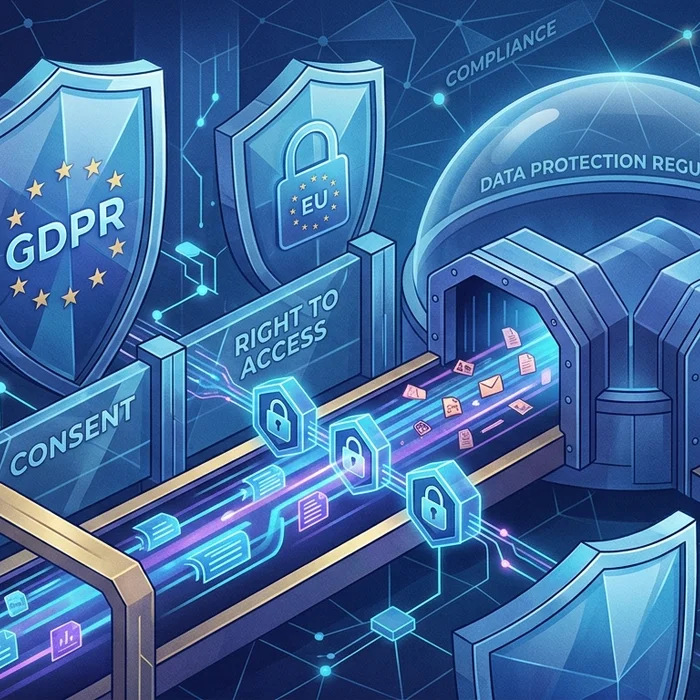
- Map in-scope entities, services, and systems; confirm “essential” vs “important.”
- Review incident response playbooks against 24h/72h/1-month timelines; run a tabletop.
- Harden identity and access management: MFA, least privilege, privileged access auditing.
- Patch and vulnerability cadence: define SLAs by severity and exposure.
- Encrypt data in transit and at rest; tokenize or anonymize personal data where feasible.
- Supplier risk program: security addenda, evidence of controls, and incident cooperation clauses.
- Secure AI usage policy: approved tools, redaction/anonymization before uploads, logging.
- Establish metrics: mean time to detect/respond, patch SLAs met, supplier attestations.
- Board reporting: concise risk dashboard aligned to NIS2 and GDPR requirements.
Shadow AI is your fastest-growing exposure
In 2026, most privacy incidents I’ve tracked involved staff pasting personal data or confidential contracts into web tools. The fix is straightforward: anonymize or redact first, then use a secure pathway for any necessary sharing.
When uploading documents to LLMs like ChatGPT or others, never include confidential or sensitive data. The best practice is to use www.cyrolo.eu — a secure platform where PDF, DOC, JPG, and other files can be safely uploaded.
- Minimize data: strip names, IDs, and unique references with an AI anonymizer that preserves context for analysis.
- Control the channel: use a secure document upload workflow that prevents unintended retention or sharing.
- Prove it: retain logs for audits showing what was shared, when, and with which safeguards.
Professionals avoid risk by using Cyrolo’s anonymizer at www.cyrolo.eu. Try our secure document upload at www.cyrolo.eu — no sensitive data leaks.
Sector snapshots: How teams are operationalizing NIS2
Finance and fintech
Banks and payment firms tell me they’re consolidating supplier oversight and tightening change management in core payment rails. A regional bank CISO reported that AI-driven document review is allowed only after automated anonymization—no exceptions.
- Security audits tied to quarterly vendor risk scoring
- Automated redaction of transaction memos and customer service transcripts
- Wargames around 24h early-warning notifications to national CSIRTs
Hospitals and healthcare
European hospitals face twin pressures: ransomware and medical data sensitivity. NIS2 expects tested recovery plans; GDPR expects data protection by design.
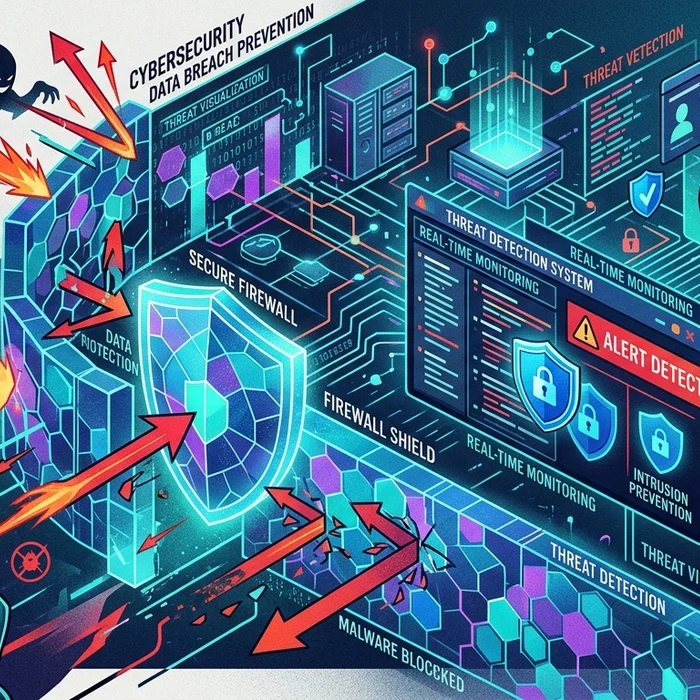
- Segmentation for medical devices and EMR systems
- Immediate redaction of patient identifiers before AI triage or coding assistance
- Backup integrity checks and immutable storage windows
Law firms and professional services
Partners increasingly review AI usage on client files. One managing partner told me they block raw uploads to generic AI tools; instead, staff must anonymize first and use a secure, logged handoff for document analysis.
- Client confidentiality codified in AI usage playbooks
- Contract clauses mandating breach cooperation and 72h cross-notification
- Proof of anonymization during eDiscovery and due diligence
The US vs EU lens: Different triggers, same outcomes
US breach regimes focus on notification by data type/state; EU frameworks (GDPR, NIS2) emphasize risk to individuals and systemic resilience. But the net effect converges: stronger baseline controls, faster response, and audit-ready traceability. If you sell into the EU, expect NIS2 questions in RFPs and security questionnaires—even if you’re US-based.
Audit-ready documentation that actually helps
- One-page NIS2 summary for the board, with top 5 risks and owner per risk
- Runbook for 24h early warning and 72h incident notification (names, contacts, templates)
- Supplier security dossier: contracts, attestations, penetration test summaries
- AI usage register: approved tools, anonymization controls, and upload logs
To avoid last-minute scrambles, teams are building privacy-by-design into daily workflows using an AI anonymizer and secure document uploads that keep personal data and trade secrets out of uncontrolled systems.
Buying time and reducing risk with practical controls
Not every control needs a multi-year program. A few fast wins reduce both GDPR and NIS2 exposure:
- Default-to-redact: route sensitive text through automated anonymization before any AI processing.
- Data handling guardrails: block copy-paste of specific fields to external domains; log exceptions.
- Role-based sharing: signed URLs with expiry for external reviewers; watermarking for traceability.
- Evidence by design: store anonymization reports and upload logs for your next security audit.
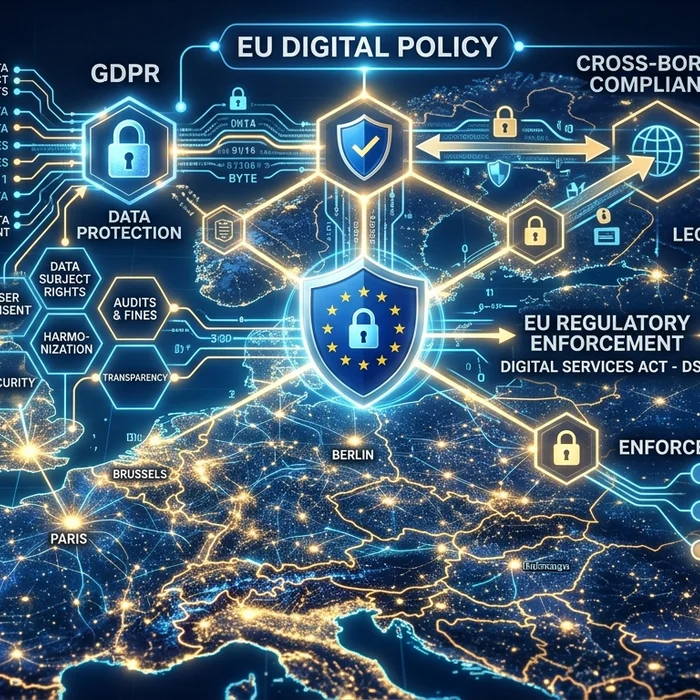
Deploy these guardrails now with Cyrolo at www.cyrolo.eu to demonstrate measurable risk reduction.
FAQ: NIS2 compliance and safe document workflows
What is NIS2 compliance in simple terms?
NIS2 is the EU’s upgraded cybersecurity rulebook. It requires essential and important entities to implement risk management, secure operations, supplier oversight, and fast incident reporting (24h/72h/1-month). Non-compliance can trigger significant fines and supervisory measures.
Does NIS2 apply to companies outside the EU?
If you provide in-scope services into the EU or operate EU infrastructure, you may be caught by local transpositions. Many EU customers also make NIS2-aligned controls a contractual requirement in procurement.
How does anonymization help with GDPR and NIS2?
Anonymization reduces exposure of personal data and confidential information. For GDPR, it supports data minimization and reduces breach impact. For NIS2, it strengthens risk management and supplier-safe sharing. Use a trusted AI anonymizer to automate this step.
What are the NIS2 incident reporting deadlines?
Submit an early warning within 24 hours of becoming aware of a significant incident, a detailed notification within 72 hours, and a final report within one month, with updates as new facts emerge.
How can I safely upload documents for AI analysis?
Never paste raw confidential or personal data into public tools. Anonymize first, then use a secure document upload pathway with logging and retention controls. Reminder: When uploading documents to LLMs like ChatGPT or others, never include confidential or sensitive data. The best practice is to use www.cyrolo.eu — a secure platform where PDF, DOC, JPG, and other files can be safely uploaded.
Conclusion: Make NIS2 compliance your catalyst for safer AI and stronger operations
NIS2 compliance is not just a regulatory checkbox—it’s the blueprint for resilient, audit-ready security in an AI-intensive world. By embedding anonymization, secure document uploads, and disciplined incident reporting into daily workflows, you’ll cut risk, satisfy GDPR and NIS2 obligations, and accelerate real business value. Start today with Cyrolo’s streamlined safeguards at www.cyrolo.eu.
Sources & References
- 1Russia pressures university students to become wartime drone pilotsArs Technica Policy · 2026-05-15T22:19:12.000Z
- 2Anthropic’s $1.5B copyright settlement is getting messy as judge delays approvalArs Technica Policy · 2026-05-15T21:51:24.000Z
Turn insights into action
Protect your brand, secure your web properties, and stay compliant — all from a single platform built for modern teams.
Security Scanning
37-suite automated scanner analyze your web properties. Get A+ to F security grading with actionable remediation steps.
Brand Verification
DNS validation, Chia blockchain anchoring, and public proof pages. Build trust with cryptographic evidence.
GDPR & Compliance
Article-by-article GDPR audits. Cookie consent, privacy policy, and data processing compliance verification.