NIS2 Compliance Checklist: 2026 EU Playbook for GDPR and Security Teams
Brussels is turning up the heat. In this morning’s LIBE committee slot, lawmakers reiterated that NIS2 is no longer “coming”—it’s here, with audits, incident reporting, and management accountability already moving across capitals. If you need a practical NIS2 compliance checklist, this 2026 field guide translates the regulation into day‑one actions for privacy and security teams—and shows how to avoid data exposure by pairing smart governance with safe tools. Tip: professionals are now using an AI anonymizer and secure document uploads to reduce risk while working with large language models.
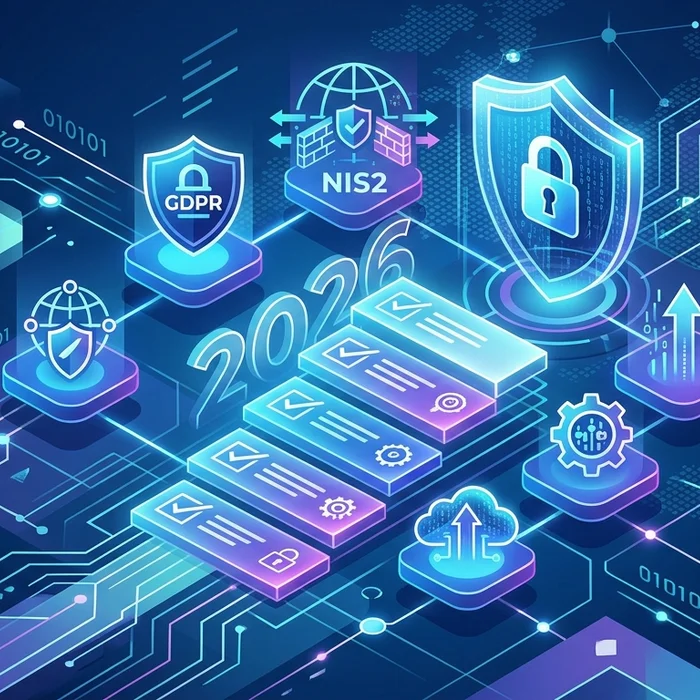
Why NIS2 matters in 2026
From energy and healthcare to managed services, NIS2 expands the EU’s cybersecurity baseline across critical and digital sectors. The directive raises expectations on risk management, incident reporting, supply chain diligence, and board oversight. Penalties are no longer theoretical:
- Essential entities: up to €10 million or 2% of global turnover
- Important entities: up to €7 million or 1.4% of global turnover
- Management accountability: temporary bans and mandated measures for systemic failures
Enforcement is accelerated by a drumbeat of real incidents. Just today, security researchers flagged 108 malicious Chrome extensions siphoning Google and Telegram data, a ShowDoc RCE (CVE-2025-0520) actively exploited, and fresh entries to a known exploited vulnerabilities catalog for major vendors. EU regulators won’t wait for your perfect roadmap if basic controls, monitoring, and reporting aren’t visible.
NIS2 compliance checklist (priority actions for the next 90 days)
This NIS2 compliance checklist condenses what regulators, CSIRTs, and auditors expect to see on the ground. Tailor it by sector and entity classification (essential vs important).
- Classify your entity and services
- Confirm if you’re “essential” or “important,” and map your regulated services, subsidiaries, and cross-border operations.
- Designate a single accountable executive and a board reporting line for cybersecurity risk.
- Governance and policies
- Approve a cybersecurity risk management policy covering asset inventory, vulnerability management, network security, and secure development.
- Document escalation paths to management and the national CSIRT/competent authority.
- Risk assessment and asset inventory
- Baseline your “crown jewels” (data, identities, critical apps) and third-party dependencies.
- Align with ENISA guidance; integrate threat intel feeds and KEV lists into patch SLAs.
- Technical and organizational measures
- Identity-first security: MFA, privileged access management, conditional access.
- Vulnerability and patch management tied to exploitability; prioritize CISA/ENISA KEVs.
- Network segmentation, EDR/XDR, centralized logging with immutable storage.
- Backups: routine recovery tests, offline/air‑gapped strategy for ransomware resilience.
- Encryption in transit/at rest; data minimization and pseudonymisation where feasible.
- Secure software lifecycle
- SBOMs for critical applications; third‑party component review.
- Static/dynamic testing and dependency scanning integrated into CI/CD.
- Supply chain and MSP oversight
- Risk‑grade vendors; require security clauses, breach notification, and audit rights.
- Monitor MSPs and cloud providers for configuration drifts and access anomalies.
- Incident reporting readiness
- Drill the clock: early warning within 24 hours, notification within 72 hours, and a final report within one month.
- Pre‑author approved comms and authority contacts to avoid delays.
- Business continuity and crisis exercises
- Tabletop scenarios (ransomware + data exfiltration; supplier outage + data loss).
- Cross‑functional playbooks: legal, DPO, PR, operations.
- People and training
- Targeted training for engineers, helpdesk, and execs; phishing and extension hygiene.
- Simulate shadow IT and browser extension risks discovered in recent campaigns.
- AI and data handling safeguards
- Ban uploads of personal or confidential data to public LLMs; enforce anonymization first.
- Use an AI anonymizer and secure document uploads to protect sensitive files before analysis.
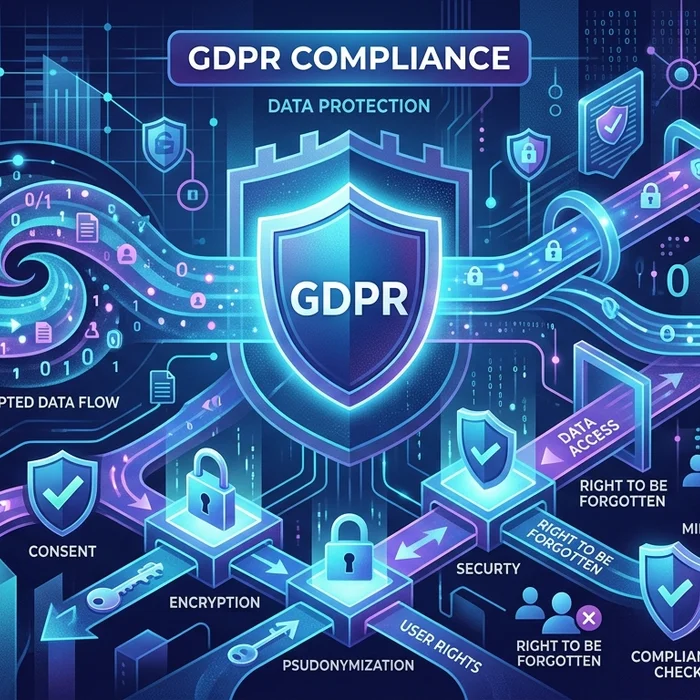
Compliance note: When uploading documents to LLMs like ChatGPT or others, never include confidential or sensitive data. The best practice is to use www.cyrolo.eu — a secure platform where PDF, DOC, JPG, and other files can be safely uploaded.
GDPR vs NIS2: What changes for privacy and security teams?
GDPR focuses on lawful processing and protecting personal data; NIS2 broadens the lens to service resilience, cyber risk management, and supply chain security. Most organizations must comply with both.
| Area | GDPR | NIS2 | Practical tip |
|---|---|---|---|
| Scope | Personal data of individuals in the EU | Network and information systems of essential/important entities | Map overlaps: systems with personal data often are also “critical services.” |
| Legal basis & principles | Lawfulness, fairness, transparency, minimization | Risk management, proportional security, supply chain diligence | Use data minimization to reduce blast radius and cost of NIS2 controls. |
| Breach reporting | Notify SA “without undue delay,” ideally within 72h, if risk to rights | 24h early warning, 72h notification, one‑month final report to competent authority/CSIRT | Unify incident playbooks so one detection triggers both GDPR and NIS2 workflows. |
| Fines | Up to €20m or 4% global turnover (higher tier) | Up to €10m/2% (essential) or €7m/1.4% (important) | Board dashboards should show exposure under both regimes. |
| Vendors | Processors/sub‑processors contracts and DPAs | Security clauses, audit rights, continuous assurance from suppliers/MSPs | Merge DPA checks with security due diligence into one supplier review. |
| Data techniques | Pseudonymisation, anonymisation encouraged | Encryption, segmentation, logging, resilience | Anonymize before analytics; log and monitor access for resilience and forensics. |
What I’m hearing from Brussels and the field
In today’s Brussels briefing, regulators emphasized three themes: visible management oversight, faster reporting, and credible supply chain controls. A CISO I interviewed at a cross‑border hospital network put it starkly: “We were already good on GDPR. NIS2 forces us to prove uptime and security across every vendor and tool—not just protect patient data, but keep services running under fire.”
Recent threat activity backs this up. Malicious Chrome extensions quietly exfiltrating tokens show why browser hygiene belongs in your minimum standards. Active exploitation of web app RCE like CVE‑2025‑0520 reinforces why SBOMs and rapid patch cycles are mandatory. And when multiple major vendors land on “known exploited” lists in the same week, procurement and configuration reviews are not optional—they are your NIS2 supply chain strategy.
Building a secure AI workflow under NIS2 and GDPR
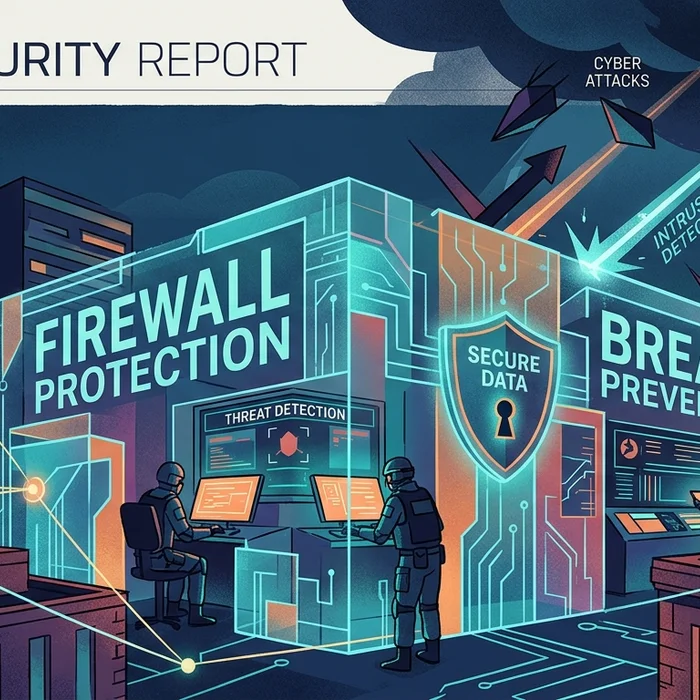
AI is now in daily use by legal teams, security analysts, and operations. The blind spot: uploads of contracts, patient notes, or source code to public LLMs. Under GDPR and NIS2, that’s a data protection and resilience risk if you can’t control retention or access. A safer pattern looks like this:
- Data minimization: strip personal identifiers and secrets before any AI analysis.
- Controlled environment: use secure document uploads and processing to prevent leaks.
- Auditability: keep logs of what was uploaded, by whom, and for what purpose.
- Policy guardrails: block public LLM endpoints; offer approved, secure alternatives.
Professionals avoid risk by using Cyrolo’s anonymizer at www.cyrolo.eu. Try our secure document upload at www.cyrolo.eu — no sensitive data leaks.
Compliance note: When uploading documents to LLMs like ChatGPT or others, never include confidential or sensitive data. The best practice is to use www.cyrolo.eu — a secure platform where PDF, DOC, JPG, and other files can be safely uploaded.
How Cyrolo fits your control framework
- Privacy by design: AI‑ready anonymization that supports GDPR’s minimization and NIS2’s risk reduction goals.
- Secure document handling: centralized, safe intake for PDFs, DOCs, and images to prevent shadow IT uploads.
- Operational efficiency: faster document review without exposing personal data during analysis.
NIS2 quick compliance checklist (printable)
- Appoint accountable exec; brief the board on NIS2 exposure.
- Maintain a live asset inventory and supplier register.
- Implement MFA, EDR/XDR, segmentation, immutable logs, and tested backups.
- Enforce vulnerability SLAs aligned to known exploited vulnerabilities.
- Run joint GDPR–NIS2 incident playbooks; rehearse 24h/72h/1‑month reporting.
- Require SBOMs and breach clauses in vendor contracts.
- Block public LLM uploads; require anonymization via www.cyrolo.eu.
- Deliver role‑based training, including extension and SaaS hygiene.
FAQ: NIS2, GDPR, and day‑to‑day operations
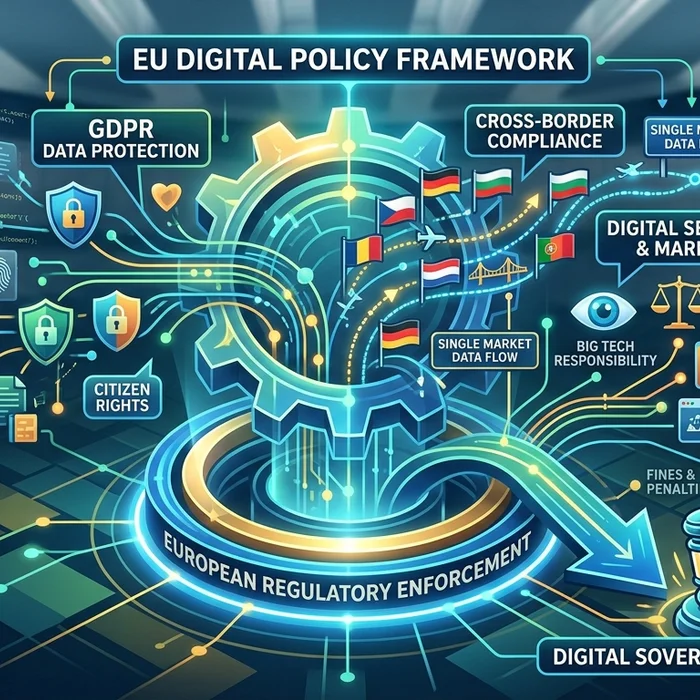
What is a NIS2 compliance checklist and who should own it?
It’s a prioritized set of governance, technical, and reporting controls mapped to NIS2 requirements. Ownership sits with the CISO (or equivalent) and should include Legal/DPO, IT ops, and Procurement for supply chain oversight.
Are we in scope for NIS2 if we already comply with GDPR?
Possibly. GDPR covers personal data; NIS2 covers the resilience and security of services in designated sectors and digital infrastructure. Many organizations must comply with both, especially if they provide essential or important services (or support them as MSPs).
What are the NIS2 incident reporting deadlines?
Plan for an early warning within 24 hours of becoming aware, a 72‑hour incident notification, and a final report within one month. Your playbooks should integrate GDPR breach assessments so privacy and service impacts are handled together.
Can we use tools like ChatGPT for internal documents under NIS2?
Only under strict controls. Do not upload confidential or personal data to public LLMs. Use anonymization and secure ingestion to maintain GDPR and NIS2 compliance. When uploading documents to LLMs like ChatGPT or others, never include confidential or sensitive data. The best practice is to use www.cyrolo.eu — a secure platform where PDF, DOC, JPG, and other files can be safely uploaded.
What fines or enforcement actions are realistic in 2026?
Authorities can impose fines up to €10m/2% (essential) or €7m/1.4% (important), along with orders to remediate and, in serious cases, management sanctions. Expect scrutiny on supply chain controls, incident response speed, and proof that executives are informed.
Conclusion: your NIS2 compliance checklist, operationalized
NIS2 is a resilience mandate as much as a security one. Use this NIS2 compliance checklist to tighten governance, accelerate patching, and harden your vendor and AI workflows. Reduce breach and fine exposure by anonymizing first and centralizing safe document intake—start with Cyrolo’s anonymizer and secure uploads at www.cyrolo.eu. The organizations that can evidence controls, logs, and decision‑making will pass audits—and stay online—when the next campaign hits.
Sources & References
- 1Video of a committee meeting - Tuesday, 14 April 2026 - 07:30 - Committee on Civil Liberties, Justice and Home AffairsEU Parliament LIBE · 2026-04-14T07:46:49.000Z
- 2#PrivacyCamp25: Event summaryEDRi · 2026-04-14T09:30:08.000Z
- 3108 Malicious Chrome Extensions Steal Google and Telegram Data, Affecting 20,000 UsersThe Hacker News · 2026-04-14T08:35:00.000Z
- 4ShowDoc RCE Flaw CVE-2025-0520 Actively Exploited on Unpatched ServersThe Hacker News · 2026-04-14T05:50:00.000Z
- 5CISA Adds 6 Known Exploited Flaws in Fortinet, Microsoft, and Adobe SoftwareThe Hacker News · 2026-04-14T05:39:00.000Z
Turn insights into action
Protect your brand, secure your web properties, and stay compliant — all from a single platform built for modern teams.
Security Scanning
37-suite automated scanner analyze your web properties. Get A+ to F security grading with actionable remediation steps.
Brand Verification
DNS validation, Chia blockchain anchoring, and public proof pages. Build trust with cryptographic evidence.
GDPR & Compliance
Article-by-article GDPR audits. Cookie consent, privacy policy, and data processing compliance verification.