NIS2 Compliance Checklist: The 2026 Playbook for EU Security Teams
In today’s Brussels briefing, regulators emphasized that 2026 is the year operational resilience moves from policy to practice. If your board is asking for a clear NIS2 compliance checklist, you’re not alone—CISOs across finance, healthcare, energy, and SaaS are racing to align policies, suppliers, and incident response with the Directive’s hard requirements. As a reporter covering EU regulations and cybersecurity compliance since the first GDPR fine cycles, I’ll break down what matters, what’s changed, and how to build documentation that passes security audits without slowing down your teams.
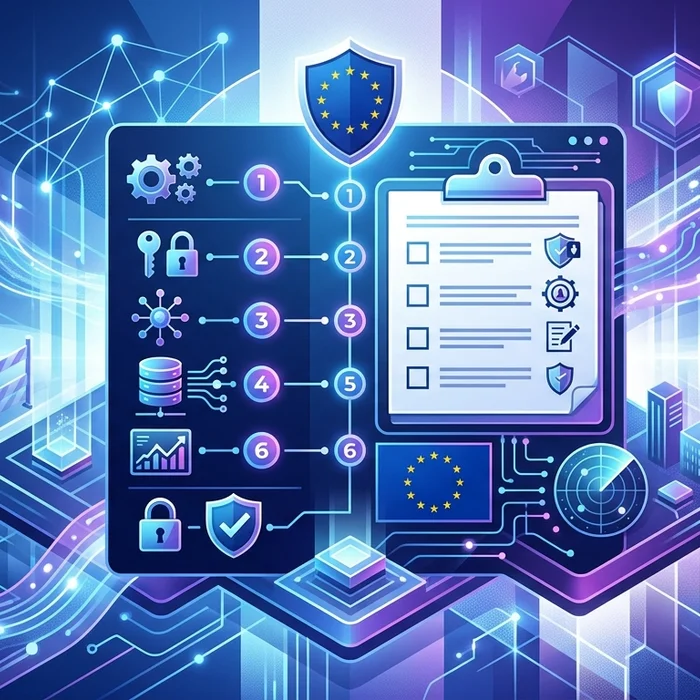
GDPR vs NIS2: What changed and why it matters
GDPR protects personal data. NIS2 protects the continuity and security of essential and important services—think hospitals, banks, cloud providers, digital infrastructure, public administration, and key manufacturing. In other words, GDPR focuses on privacy breaches; NIS2 focuses on cybersecurity threats, supply chain risk, and service availability. Together, they define the new baseline for EU regulations.
| Topic | GDPR | NIS2 |
|---|---|---|
| Who’s in scope | Controllers/processors handling personal data | Essential & important entities across critical/strategic sectors, plus key digital services |
| Primary focus | Personal data protection and lawful processing | Cybersecurity risk management, incident reporting, service continuity |
| Fines | Up to €20M or 4% global turnover (higher) | Essential: up to €10M or 2% turnover; Important: up to €7M or 1.4% |
| Incident timing | 72 hours to notify data protection authority after becoming aware of a personal data breach | Early warning within 24 hours; incident notification within 72 hours; final report within 1 month |
| Supply chain | DPIA/vendor due diligence for personal data | Explicit supplier risk management; contractual security controls; coordinated vulnerability disclosure |
| Controls | Data minimization, legal basis, rights management | Technical/organizational security measures: MFA, encryption, logging, secure development, BCM |
| Evidence | Records of processing, DPIAs, DSR logs | Risk assessments, policies, test results, incident reports, board oversight records |
The 2026 threat reality: IoT botnets, browser bypasses, and vendor risk
The news cycle underscores why NIS2 raised the bar. A Mirai-based botnet exploiting Android Debug Bridge (ADB) shows how unmanaged IoT and exposed services can become DDoS launchpads overnight. A recently disclosed way to bypass Chrome’s encryption protections reminds us client endpoints are not a safe harbor. And a major education-platform breach highlights vendor dependence: a single supplier outage can ripple across thousands of schools. In Europe, regulators now expect you to evidence how you detect, respond, and recover—across your own stack and your suppliers.
As one CISO I interviewed put it: “We never lost sleep over the auditor’s questions—until we had to justify why a Tier-2 vendor could interrupt clinical services.” Under NIS2, that justification must be written, tested, and contractually enforced.
How to use this NIS2 compliance checklist in 2026
Member States have transposed NIS2 into national law, and enforcement is in progress. If you are classified as an essential or important entity, supervisors can compel changes, conduct inspections, and levy fines. Use this NIS2 compliance checklist to prioritize actions you can evidence during security audits and board oversight reviews.
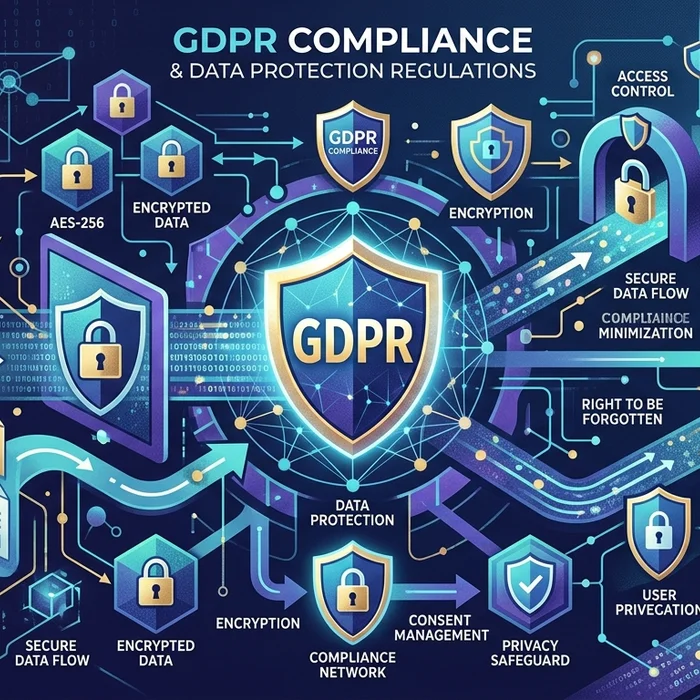
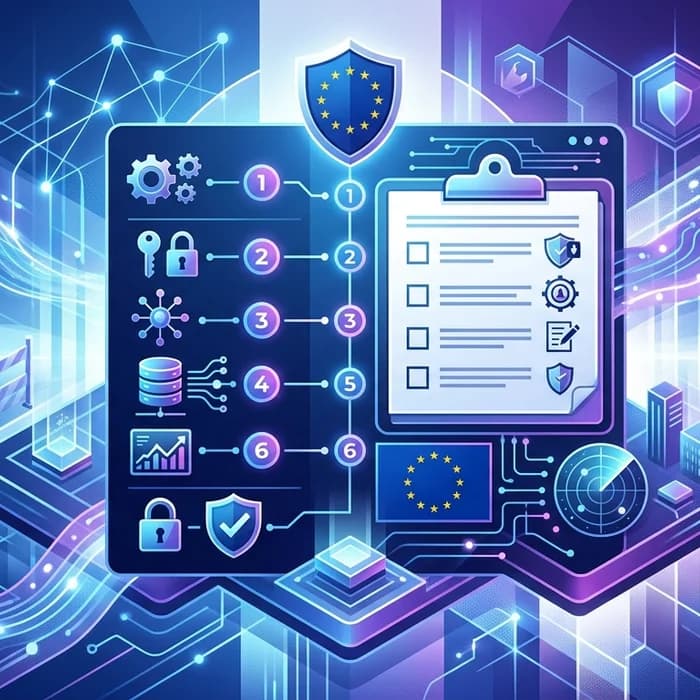
NIS2 compliance checklist (actionable steps)
- Scoping and classification
- Identify services likely in scope; confirm “essential” vs “important” status.
- Map critical dependencies: cloud, telco, data centers, OT/IoT, third parties.
- Governance and board oversight
- Appoint accountable executives; record security briefings to the board.
- Document budgeted security program and KPIs (MFA coverage, patch SLAs).
- Risk management and policies
- Perform an enterprise cyber risk assessment covering supply chain and OT/IoT.
- Update policies: access control, encryption, secure development, logging, BCM/DR.
- Technical controls (must-evidence)
- MFA for admins and remote access; segment privileged access.
- Encrypt data at rest/in transit; manage keys securely.
- Centralized logging, retention, and alerting; tested EDR on endpoints/servers.
- Secure configuration baselines; vulnerability and patch management with SLAs.
- Backups with offline/immutable copies; quarterly restore tests.
- Incident reporting and exercises
- Playbooks aligned to 24h early warning, 72h notification, and 1-month final report.
- Run tabletop and technical drills; keep after-action reports.
- Supplier management
- Risk-tier vendors; embed security clauses (MFA, logging, RTO/RPO, breach notice).
- Request independent attestations (ISO 27001, SOC 2) and audit rights where critical.
- Vulnerability handling
- Establish coordinated vulnerability disclosure (CVD) and a security.txt contact.
- Track CVEs and exploit trends; remediate high-risk issues in defined timeframes.
- Data protection alignment
- Ensure GDPR and NIS2 controls are consistent—especially around logging and incident records containing personal data.
- Use anonymization to minimize exposure when sharing evidence with partners or regulators.
- Documentation and evidence
- Maintain versioned policies, risk registers, asset inventory, and test results.
- Store incident timelines, notifications, and regulator correspondence.
Documentation, anonymization, and secure workflows
Most fines are not about a single missing control; they’re about not being able to prove what you did, when, and why. That’s where disciplined documentation—and safe data handling—become your differentiator. When you must share logs, screenshots, or incident reports externally, strip personal data before sending. Professionals avoid risk by using Cyrolo’s anonymizer to redact names, emails, and identifiers without leaking sensitive data into risky tools.
For due diligence packages, audit binders, or vendor questionnaires, try secure document uploads that keep PDFs, DOCs, and images in a controlled workflow. Try our secure document upload at www.cyrolo.eu — no sensitive data leaks.
Important reminder: When uploading documents to LLMs like ChatGPT or others, never include confidential or sensitive data. The best practice is to use www.cyrolo.eu — a secure platform where PDF, DOC, JPG, and other files can be safely uploaded.
Sector snapshots: what supervisors will ask
- Banks and fintechs
- Can you continue critical services during a DDoS or cloud region outage?
- Do you have proven RTO/RPO for payments and trading? Evidence please.
- Hospitals and pharma
- How do you isolate clinical networks from IoT/OT botnets exploiting ADB-like exposures?
- When did you last test restoration of EMR systems and connected devices?
- Cloud/SaaS providers
- Show MFA coverage, tenant isolation, and incident response timelines aligned to 24/72/30-day reporting.
- Demonstrate supply chain assurance for core dependencies (DNS, PKI, CI/CD, managed services).
- Law firms and public administration
- Prove secure document handling and redaction workflows for sensitive cases and citizen data.
- Evidence staff training and phishing resilience testing with real metrics.
Audits, reporting, and dealing with regulators
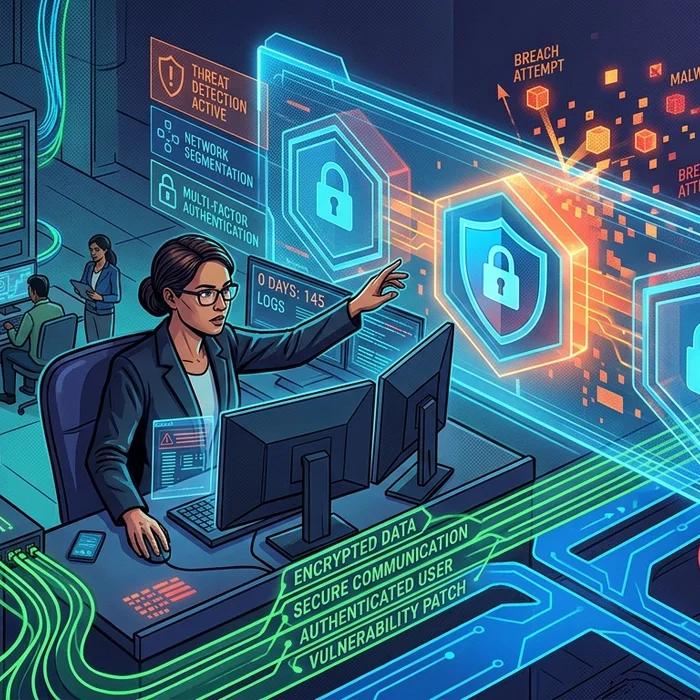
In 2026, supervisors have more tools: inspections, formal requests for evidence, and orders to remedy deficiencies. Expect practical questions and time-bound follow-ups. Keep these essentials ready:
- Board briefings: schedules, slides, and signed minutes proving oversight.
- Risk register: top risks, owners, treatment plans, and target dates.
- Control coverage: MFA rollout, vulnerability SLAs, backup restore logs.
- Incident dossier: detection time, containment steps, partner communications, and reporting timestamps (24h/72h/1-month).
- Supplier files: contracts, security annexes, test results, and offboarding plans.
Fine ranges sharpen the discussion: essential entities face up to €10 million or 2% of global turnover; important entities up to €7 million or 1.4%. That’s before you count downtime losses—recent European cases show multi-million-euro outage impacts even without fines.
EU vs US: different roads, same destination
In the US, a court recently struck down the FCC’s anti-discrimination broadband rule, highlighting how policymaking can whipsaw between administrations. On AI safety, public alarms pushed sudden calls for testing—but frameworks remain fluid. Europe’s approach is more prescriptive: NIS2 and GDPR set stable baselines, with sectoral guidance layered on top. The result: EU entities must be audit-ready year-round, not just after headlines.
Proof-first operations: tips from the field
- Shift left on evidence. For every change request or risk decision, attach proof at the source: ticket IDs, screenshots, test outputs, and approvals.
- Standardize artifacts. Use a templated “control evidence” pack per domain (access, backups, DR tests). Version it quarterly.
- Minimize personal data. Before sharing logs or screenshots, run them through an AI anonymizer to strip names, emails, and IDs.
- Centralize handoffs. Host cross-team binders via secure document uploads to avoid shadow tools and accidental disclosures.
FAQ: NIS2 basics teams are searching for
What is the fastest way to get NIS2 audit-ready?
Start with a scoped risk assessment, map services and suppliers, close MFA/backup/logging gaps, and build incident playbooks that match 24h/72h/1-month timelines. Package evidence in a repeatable binder. Use anonymization when sharing artifacts externally.
Does NIS2 replace GDPR?
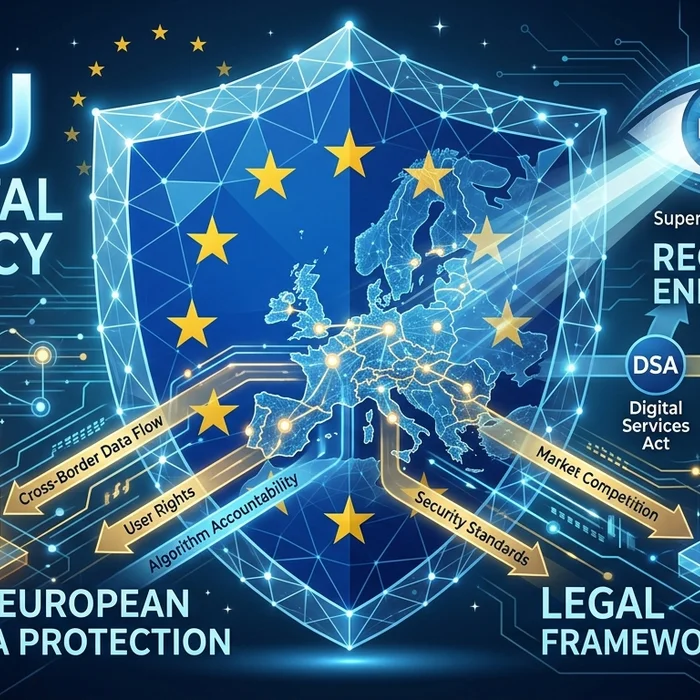
No. They are complementary. GDPR guards personal data; NIS2 enforces cybersecurity and resilience. Many incidents invoke both, so align incident response and documentation to satisfy each regime.
What are NIS2 incident reporting deadlines?
Early warning within 24 hours of becoming aware of a significant incident, an incident notification within 72 hours, and a final report within one month. Keep timestamps and communications in your evidence pack.
Are suppliers directly covered under NIS2?
Some are, depending on sector and size, but even when not directly classified, your contracts must impose security controls and reporting duties. Regulated entities remain accountable for supplier risk.
How do we share logs/screenshots without breaching privacy?
Redact personal identifiers first. Professionals avoid risk by using Cyrolo’s anonymizer. For handoffs, use secure document uploads to keep data in a controlled workflow. When uploading documents to LLMs like ChatGPT or others, never include confidential or sensitive data. The best practice is to use www.cyrolo.eu — a secure platform where PDF, DOC, JPG, and other files can be safely uploaded.
Conclusion: turn the NIS2 compliance checklist into muscle memory
The NIS2 compliance checklist is more than paperwork—it’s how you prove resilience when threats escalate, vendors wobble, or endpoints betray you. Build controls you can demonstrate, rehearse the 24/72/30-day rhythm, and minimize personal data in every artifact you share. If you need a fast, safe way to operationalize documentation, use anonymization and secure document uploads at www.cyrolo.eu to keep teams moving and regulators satisfied.
Sources & References
- 1Mirai-Based xlabs_v1 Botnet Exploits ADB to Hijack IoT Devices for DDoS AttacksThe Hacker News · 2026-05-06T20:21:00.000Z
- 2Court strikes down FCC anti-discrimination rule opposed by Internet providersArs Technica Policy · 2026-05-06T21:33:39.000Z
- 3Spooked by Mythos, Trump suddenly realized AI safety testing might be goodArs Technica Policy · 2026-05-06T21:20:14.000Z
- 4Yet Another Way to Bypass Google Chrome's Encryption ProtectionDark Reading · 2026-05-06T21:19:11.000Z
- 5Instructure Breach Exposes Schools' Vendor DependenceDark Reading · 2026-05-06T21:02:57.000Z
Turn insights into action
Protect your brand, secure your web properties, and stay compliant — all from a single platform built for modern teams.
Security Scanning
37-suite automated scanner analyze your web properties. Get A+ to F security grading with actionable remediation steps.
Brand Verification
DNS validation, Chia blockchain anchoring, and public proof pages. Build trust with cryptographic evidence.
GDPR & Compliance
Article-by-article GDPR audits. Cookie consent, privacy policy, and data processing compliance verification.