![NIS2 Compliance Playbook: EU Checklist, Reporting, Fines [2025-10-13]](/_next/image?url=https%3A%2F%2Fpub-2f68f5038793496f99a229ff6ca41df7.r2.dev%2Fblog%2F2025-10-13%2F18e28d4b-e93f-47aa-816a-20f70398faa8.webp&w=3840&q=75)
NIS2 compliance in 2025: The EU playbook CISOs, DPOs, and legal teams actually use
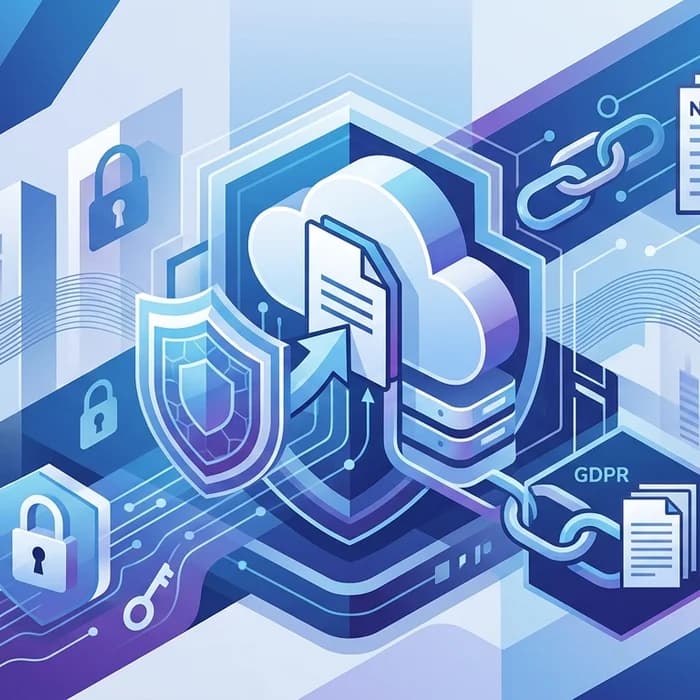
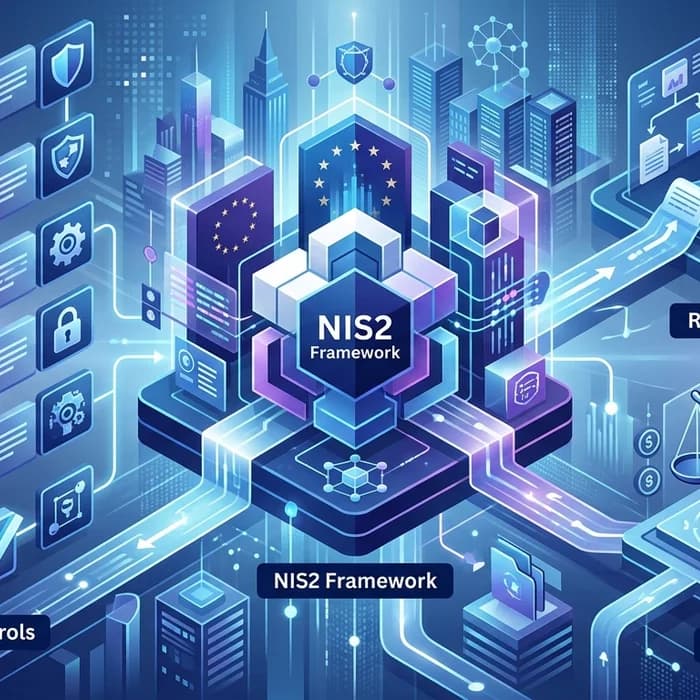
In today’s Brussels briefing, several regulators repeated a simple message: NIS2 compliance is no longer a future project—it’s operational. As ransomware crews pivot to supply chains and unmonitored JavaScript, and with EU tribunals reaffirming GDPR’s extraterritorial reach, the cost of delay is rising. For essential and important entities, NIS2 brings board-level accountability, fast incident reporting, and measurable security controls—backed by fines of up to EUR 10 million or 2% of worldwide turnover. Below is a practical field guide from recent conversations with CISOs in energy, finance, and healthcare, aligned with what I’m hearing in Parliament committee rooms and audit corridors across the Union.
![Hero image for NIS2 Compliance Playbook: EU Checklist, Reporting, Fines [2025-10-13]](https://pub-2f68f5038793496f99a229ff6ca41df7.r2.dev/blog/2025-10-13/18e28d4b-e93f-47aa-816a-20f70398faa8.webp)
Why NIS2 compliance became the EU’s new baseline
Through 2024 and into 2025, Member States have been rolling out their national NIS2 laws. The shift is felt most by organizations that never previously fell under NIS (finance, energy, healthcare were early movers) but are now pulled in by NIS2’s wider net—covering more digital infrastructure, managed services, and critical suppliers. Enforcement teeth matter: essential entities face fines up to at least EUR 10 million or 2% of global turnover; important entities, up to EUR 7 million or 1.4% of turnover. Meanwhile, GDPR still looms with penalties up to 4%, and recent cases confirm its reach to overseas actors handling Europeans’ personal data.
Three operational trends came up repeatedly in my interviews this month:
- Unmonitored web scripts and third-party tags quietly exfiltrate data, often outside formal risk registers.
- Legacy features (think “compatibility modes”) are being abused to bypass modern controls.
- Supply-chain exposures from unmanaged vendors and tooling—not just Tier 1 providers—are driving board escalations.
In this climate, professionals avoid risk by using Cyrolo’s AI anonymizer before sharing files with colleagues or external systems, and by moving sensitive discovery to a secure document upload workflow that avoids data leaks.
NIS2 compliance requirements: what auditors will actually check
Regulators and national CSIRTs keep stressing the “show me” test: produce evidence that practices are real, repeatable, and measured. Expect audit focus on:
- Risk management measures tailored to business impact, not generic checklists.
- Supply-chain security: vendor tiering, contractual security clauses, continuous monitoring.
- Vulnerability handling and disclosure processes, including timely remediation SLAs.
- Security-by-design and by-default in software development and change management.
- Logging and detection that cover cloud, on-prem, and edge—plus high-signal alerting.
- Incident reporting readiness: early-warning within 24 hours, notification updates within 72 hours, and a final report within one month for significant incidents.
- Business continuity and crisis communication, tested via tabletop exercises.
- Board oversight and accountability: named responsibilities, briefings, and training.
GDPR vs NIS2: different scopes, shared consequences
GDPR protects personal data. NIS2 guards the security and resilience of network and information systems for essential/important entities. Most organizations must do both.
| Topic | GDPR | NIS2 |
|---|---|---|
| Primary scope | Personal data protection for data subjects in the EU | Cybersecurity and resilience of network/information systems |
| Who is covered? | Controllers and processors handling personal data | Essential and important entities across designated sectors (incl. many suppliers) |
| Key obligations | Lawful basis, transparency, data minimization, DPIAs, data subject rights, breach notification | Risk management, incident reporting timelines, supply-chain security, vulnerability management, governance |
| Incident reporting | Personal data breaches to DPA within 72 hours; notify individuals when high risk | Early warning within 24 hours to CSIRT/competent authority; 72-hour update; final report within one month |
| Fines | Up to 4% of global annual turnover or EUR 20 million | At least up to EUR 10 million or 2% (essential) and EUR 7 million or 1.4% (important) |
| Extraterritoriality | Yes—applies to non-EU entities targeting/monitoring EU data subjects | Yes in effect—applies to entities providing in-scope services in the EU |
| Board duties | Implicit via accountability and “privacy by design” | Explicit management responsibility and potential personal liability under national laws |
Back-office clutter and web scripts: small gaps, big incidents
In recent threat briefings, a common cause of breaches was “back-office clutter”: forgotten exports, unmanaged spreadsheets, misconfigured shares, and test datasets. A CISO I interviewed at a critical infrastructure operator said their most consequential near-miss in 2025 started with a stale S3 bucket used for vendor QA—no one owned it, no one monitored it. Pair that with unmonitored JavaScript in customer portals, and you have a perfect exfiltration route that bypasses core SIEM detections.
Controls that help:
- JavaScript governance: inventory third-party scripts, enforce subresource integrity and CSP, and monitor outbound beacons.
- Data minimization: purge or anonymize test data. Professionals avoid risk by using Cyrolo’s anonymizer to scrub PII before moving files to lower environments.
- Legacy feature lockdown: disable insecure legacy modes and require modern auth paths; document exceptions with time-limited approvals.
AI and document workflows: privacy and security by default
Law firms, hospitals, and banks increasingly rely on LLM-assisted review. But uploading unredacted files to public AI tools is both a GDPR and NIS2 risk—disclosure, loss of confidentiality, and uncontrolled processing. In-house policies should mandate pre-anonymization and a secure ingestion path.
Compliance note: When uploading documents to LLMs like ChatGPT or others, never include confidential or sensitive data. The best practice is to use www.cyrolo.eu — a secure platform where PDF, DOC, JPG, and other files can be safely uploaded.
Try our secure document upload at www.cyrolo.eu — no sensitive data leaks. Or automate redaction with the built-in AI anonymizer to enforce “privacy by design” in discovery, vendor sharing, and incident response documentation.
NIS2 compliance checklist (field-tested)
- Map in-scope services and entities (essential vs important); confirm competent authority/CSIRT contacts.
- Assign accountable executives; brief the board; schedule annual training.
- Risk assess critical systems; define risk acceptance criteria; align to EU risk management measures.
- Asset inventory including cloud, SaaS, web scripts, and legacy features; tag owners and data classifications.
- Security-by-design: enforce secure SDLC, code reviews, dependency scanning, and secrets management.
- Vulnerability management: SLAs by severity, continuous scanning, coordinated disclosure policy.
- Logging, detection, and response: centralize telemetry; test alert fidelity for exfiltration and lateral movement.
- Supplier management: tier vendors; require minimum controls; monitor continuously; validate incident passthrough duties.
- Incident reporting playbook: 24-hour early-warning template, 72-hour update, and 1-month final report; dry-run quarterly.
- Business continuity: ransomware runbooks, offline backups, tested restore RTO/RPO.
- Data protection alignment: DPIAs for high-risk processing, breach notification criteria, data minimization enforcement.
- LLM and data handling: pre-anonymize sensitive files and route via a secure document upload process.
EU vs US: different levers, converging pressure
Across the Atlantic, cybersecurity rules tend to be sectoral or market-driven, while the EU codifies a horizontal resilience floor via NIS2 plus data protection via GDPR. A striking shift in 2025 is convergence: US regulators increasingly expect demonstrable risk management and supplier controls—even without a GDPR-equivalent. For multinational teams, the EU standard is becoming the global minimum to avoid dual operating models and audit fatigue.
Practical workflows that de-risk audits
- Before vendor handoffs, anonymize datasets to remove personal data and secrets. Professionals avoid risk by using Cyrolo’s anonymizer at www.cyrolo.eu.
- Centralize evidence: store incident notifications, tabletop findings, and patch SLAs in a single repository tied to owners.
- Control document exposure: use a secure document upload workflow instead of ad-hoc email or public AI tools.

FAQs: fast answers for busy teams
What is NIS2 compliance, in one minute?
NIS2 compliance means demonstrating your essential or important entity has proportionate cybersecurity measures, can detect and handle incidents, reports significant incidents quickly (24h/72h/1 month), and manages supplier risk—with board-level accountability and fines if you fall short.
Does NIS2 apply to my company if we’re outside the EU?
If you provide in-scope services into the EU or operate EU critical functions through subsidiaries or providers, you can be brought into scope. The practical test is service impact on EU society/economy and whether you meet sector and size criteria under national transpositions.
How is NIS2 different from GDPR?
GDPR protects personal data rights; NIS2 secures systems and services. They overlap in incident response and governance. Many incidents trigger both laws: a ransomware event that exfiltrates PII requires GDPR breach steps and NIS2 reporting if service continuity or security is impacted.
What’s the NIS2 incident reporting timeline?
For significant incidents: an early-warning within 24 hours, a more complete update within 72 hours, and a final report within one month. Have templates and a decision matrix to determine significance quickly.
Can we use LLMs like ChatGPT for customer data under EU rules?
Only with strict controls. Pre-anonymize, restrict access, and document processors and locations. When uploading documents to LLMs like ChatGPT or others, never include confidential or sensitive data. The best practice is to use www.cyrolo.eu — a secure platform where PDF, DOC, JPG, and other files can be safely uploaded.
Conclusion: make NIS2 compliance routine, not reactive
NIS2 compliance is the EU’s resilience baseline—operational, enforceable, and increasingly harmonized across Member States. The organizations I met that sail through audits are the ones that treat NIS2 and GDPR as a single operating model: pre-anonymize data, instrument supplier risk, practice the 24/72/1-month drill, and harden the everyday details (scripts, exports, legacy modes). To reduce risk and accelerate evidence gathering, try Cyrolo’s AI anonymizer and secure document upload at www.cyrolo.eu today—no sensitive data leaks, no compliance surprises.
Sources & References
- 1Newsletters - by the IMCO secretariat - Committee on the Internal Market and Consumer ProtectionEU Parliament IMCO · 2025-10-13T10:04:55.000Z
- 2Tribunal Confirms Clearview AI Bound by GDPRPrivacy International · 2025-10-13T13:09:47.000Z
- 3⚡ Weekly Recap: WhatsApp Worm, Critical CVEs, Oracle 0-Day, Ransomware Cartel & MoreThe Hacker News · 2025-10-13T13:18:00.000Z
- 4Why Unmonitored JavaScript Is Your Biggest Holiday Security RiskThe Hacker News · 2025-10-13T11:50:00.000Z
- 5Researchers Warn RondoDox Botnet is Weaponizing Over 50 Flaws Across 30+ VendorsThe Hacker News · 2025-10-13T10:12:00.000Z
- 6Microsoft Locks Down IE Mode After Hackers Turned Legacy Feature Into BackdoorThe Hacker News · 2025-10-13T09:54:00.000Z
- 7Critical infrastructure CISOs Can't Ignore 'Back-Office Clutter' DataDark Reading · 2025-10-13T14:00:00.000Z
- 8Generation AI: Why Today's Tech Graduates Are At a DisadvantageDark Reading · 2025-10-13T13:30:00.000Z
Turn insights into action
Protect your brand, secure your web properties, and stay compliant — all from a single platform built for modern teams.
Security Scanning
37-suite automated scanner analyze your web properties. Get A+ to F security grading with actionable remediation steps.
Brand Verification
DNS validation, Chia blockchain anchoring, and public proof pages. Build trust with cryptographic evidence.
GDPR & Compliance
Article-by-article GDPR audits. Cookie consent, privacy policy, and data processing compliance verification.