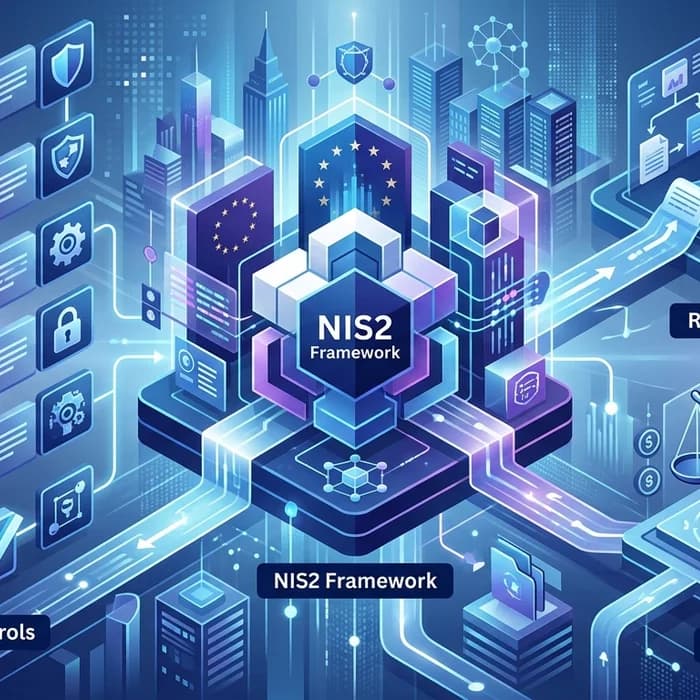
NIS2 cybersecurity compliance: BYOVD “EDR killers,” GDPR risk, and how to stay audit‑ready in 2026

In today’s Brussels briefing, regulators reiterated that NIS2 cybersecurity compliance is not a checkbox—it’s an operational discipline. The timing is apt. New technical reporting shows at least 54 distinct “EDR killer” toolchains using Bring Your Own Vulnerable Driver (BYOVD) to exploit 34 signed but vulnerable drivers and disable endpoint defenses. For EU organizations already juggling GDPR and NIS2, that’s a stark reminder: if attackers can switch off your controls, compliance fails in practice. This article explains what the trend means for EU regulations, how to harden against it, and how to reduce exposure from everyday data handling—especially when using AI and document workflows. Professionals avoid risk by using Cyrolo’s anonymizer at www.cyrolo.eu and by relying on secure document uploads at www.cyrolo.eu.
What NIS2 cybersecurity compliance means in 2026
NIS2 expands the EU’s security baseline for “essential” and “important” entities across energy, transport, finance, health, digital infrastructure, and key ICT services. Core expectations now include:
- Risk management and security of network and information systems, including supply chain risk.
- Incident reporting: early warning within 24 hours, a full notification within 72 hours, and a final report within one month.
- Governance: board accountability, policies, training, and evidence of continuous improvement.
- Fines: up to €10 million or 2% of worldwide annual turnover for non-compliance (member-state specifics vary), alongside corrective orders and public naming.
Critically, NIS2 sits alongside GDPR. A system compromise that leads to the loss, alteration, or unauthorized disclosure of personal data triggers GDPR obligations and potential penalties up to €20 million or 4% of global turnover—whichever is higher.
BYOVD and the rise of EDR killers: why compliance teams should care
BYOVD abuses legitimately signed but vulnerable kernel drivers to gain privileged execution and tamper with security tools. The latest wave—dozens of “EDR killers” abusing 34 signed drivers—turns your defenses into a paper tiger. In practice:
- Attackers disable EDR, AV, and telemetry, then move laterally while blindspots multiply.
- Regulators interpret this as inadequate technical and organizational measures if you lack compensating controls and monitoring.
- Boards must show they financed and governed realistic mitigations (e.g., driver blocklists, attestation, exploit prevention) as part of NIS2 risk management.
A CISO I interviewed this week put it plainly: “We passed the audit last year. But if an EDR killer lands tomorrow and we have no hardware-enforced driver policies, we’ll fail the real audit—an incident response review.”
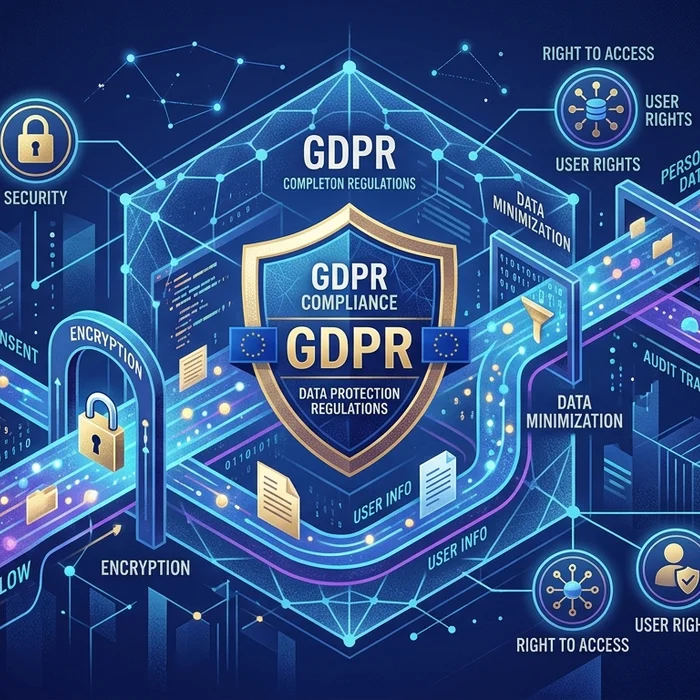
GDPR vs NIS2: what changes for your SOC and DPO?
| Area | GDPR | NIS2 |
|---|---|---|
| Primary focus | Personal data protection, privacy rights | Continuity and security of network/information systems |
| Who’s in scope | Controllers and processors of personal data | Essential and important entities in listed sectors and services |
| Incident triggers | Personal data breaches (confidentiality, integrity, availability) | Any significant incident affecting service provision or security |
| Reporting timelines | Notify DPA without undue delay, where feasible within 72 hours | 24h early warning; 72h notification; final report within one month |
| Fines (typical maxima) | Up to €20M or 4% of global turnover | Up to €10M or 2% of global turnover (varies by Member State) |
| Security obligations | “Appropriate technical and organizational measures” (Art. 32) | Risk management, supply chain, governance, resilience testing, audits |
| Documentation | DPIAs, RoPA, breach logs, processor due diligence | Risk assessments, incident reports, board oversight evidence, supplier risk |
Practical controls to counter BYOVD and pass audits: a compliance checklist
- Platform hardening
- Enforce kernel-mode driver policies: Windows Defender Application Control (WDAC), HVCI/Memory Integrity, and driver blocklists; on Linux, secure module loading and lockdown mode where feasible.
- Turn on EDR/AV tamper protection and restrict local admin rights; strictly manage code-signing certificates in the enterprise.
- Patch SLAs for drivers and firmware; monitor for vulnerable driver versions and remove legacy components.
- Detection and response
- SIEM/SOAR rules for EDR service stops, driver load events, and kernel tampering anomalies.
- Isolate suspicious hosts automatically; maintain known-good baselines and secure boot.
- Tabletop exercises including “EDR blackout” scenarios and BYOVD attack trees.
- Supply chain controls
- Vendor attestation for driver hygiene; SBOMs including kernel modules and firmware.
- Contractual security clauses and right-to-audit for managed service providers.
- Data protection
- Data minimization by default; encrypt at rest and in transit; segment by sensitivity.
- Use an AI anonymizer to remove personal data before sharing logs, tickets, or evidence. Professionals avoid risk by using Cyrolo’s anonymizer at www.cyrolo.eu.
- Governance and evidence
- Board-reviewed risk register referencing NIS2 Article 21 security measures.
- Audit-ready records: driver policy states, patch reports, incident drills, supplier reviews.
Safe AI and document handling under EU regulations
EU privacy and cybersecurity regulators increasingly scrutinize how teams share logs, screenshots, legal memos, medical notes, or customer tickets—especially when AI is involved. GDPR demands data minimization; NIS2 expects robust operational security. That means:
- Anonymize or pseudonymize personal data before using AI or sharing with vendors.
- Keep documents in a secure pipeline with access controls and audit trails.
- Avoid copy-paste into unmanaged tools; require secure document uploads for reviews and AI-assisted analysis. Try secure document uploads at www.cyrolo.eu — no sensitive data leaks.
Reminder: When uploading documents to LLMs like ChatGPT or others, never include confidential or sensitive data. The best practice is to use www.cyrolo.eu — a secure platform where PDF, DOC, JPG, and other files can be safely uploaded.
Example workflows that reduce GDPR/NIS2 exposure
- Security tickets: Upload artifacts via a secure reader, run an AI anonymizer to strip names, emails, IPs, and IDs, then share safely with external responders. Start with the anonymizer at www.cyrolo.eu.
- Legal discovery: Process case files with automatic redaction before counsel review; keep an audit trail for DPIAs and incident files.
- Healthcare and fintech: Share pseudonymized logs for threat hunting while preserving clinical or financial confidentiality.
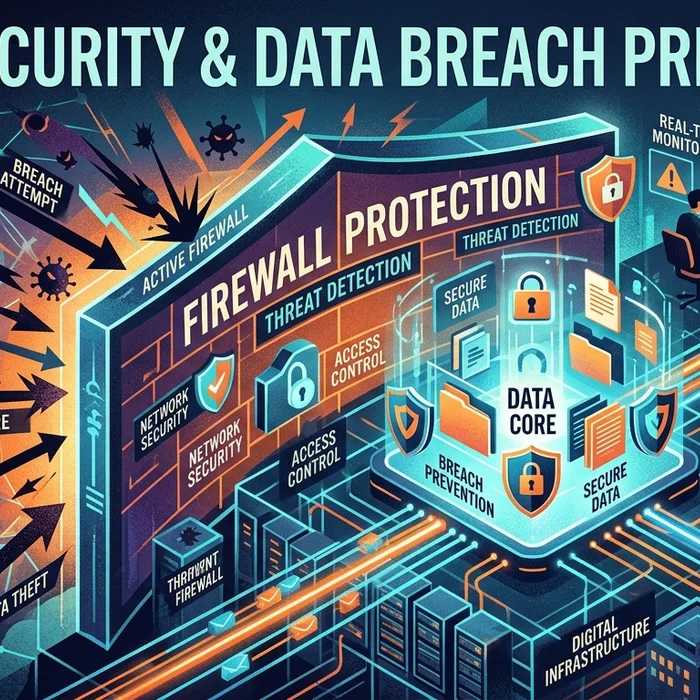
What EU regulators expect to see in 2026 audits
From my conversations with supervisory authorities and multiple CISOs this quarter, successful audits typically include:
- Documented driver and kernel-hardening standards, with evidence they are enforced.
- Metrics: EDR tamper alerts, mean time to detect/contain, patch latency for drivers and firmware.
- Supplier due diligence: BYOVD exposure checks in third-party tooling; incident clauses.
- GDPR artifacts: DPIAs for AI-assisted processing, data mapping, anonymization methodologies.
- Incident records aligned to NIS2 timelines: 24h early warning, 72h notification, one-month final report, with root cause and lessons learned.
EU vs US: different rules, same attack surface
US entities face SEC incident disclosure rules, state breach notifications, and sectoral regimes like HIPAA. The EU’s NIS2/GDPR pairing is broader on governance and privacy. Cross-border companies should harmonize to the stricter elements: rapid reporting, board oversight, and demonstrable technical controls—especially for driver-level tamper resistance and data minimization.
NIS2 cybersecurity compliance roadmap (90 days)
- Assess (Weeks 1–3)
- Gap analysis against NIS2 Article 21; inventory drivers, EDR configurations, and high-risk data flows.
- Threat modeling for BYOVD; test EDR resilience in a lab.
- Harden (Weeks 4–6)
- Enable WDAC/HVCI, update blocklists, remove vulnerable drivers, enforce secure boot.
- Roll out EDR tamper protections and admin rights reduction.
- Detect (Weeks 7–8)
- Add SIEM rules for driver loads and service stops; automate host isolation.
- Rehearse (Weeks 9–10)
- Run an “EDR blackout” tabletop; validate 24h/72h reporting playbooks.
- Document (Weeks 11–12)
- Update policies, DPIAs, supplier clauses; centralize evidence for audits.
- Institutionalize anonymization in data-sharing SOPs using www.cyrolo.eu.
Real-world scenarios: what failure looks like—and how to avoid it
- Banking: An EDR killer disables telemetry on a payments server. Without kernel controls, fraud spikes and reporting is late. With driver attestation and SIEM alerts for tamper events, the bank isolates the host in minutes and meets NIS2 timelines.
- Hospital: A legacy imaging driver is weaponized. Lacking segmentation, systems go down and patient data is exposed—triggering GDPR and NIS2 actions. With blocklists, offline backups, and anonymized case sharing, the hospital contains the blast radius and avoids secondary privacy exposure.
- Law firm: Associates paste client files into unmanaged AI tools. Discovery risks and cross-border data transfers ensue. Using secure document uploads and an AI anonymizer, counsel shares redacted documents while preserving privilege and compliance.
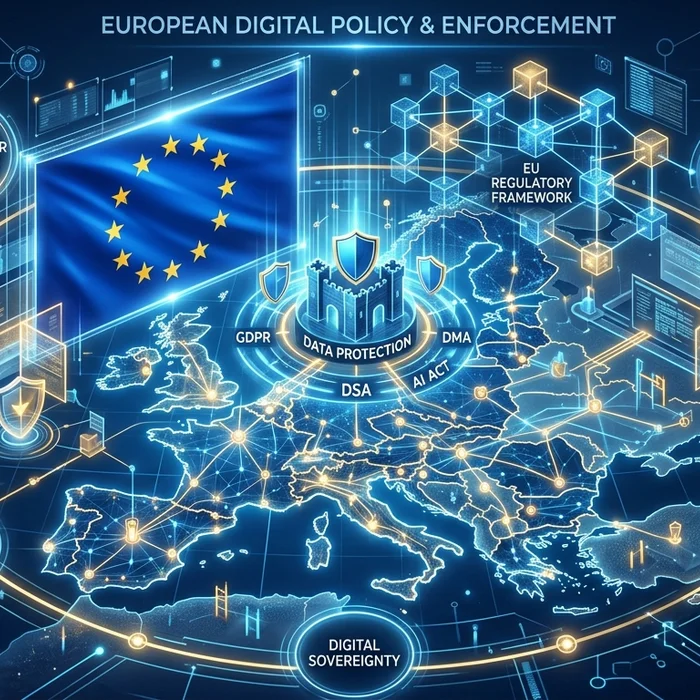
Budget reality: prevention vs penalties
Kernel-hardening and monitoring often cost less than a single breach day, let alone regulatory penalties and business interruption. GDPR fines can reach 4% of global turnover; NIS2 adds up to 2% plus public scrutiny and corrective orders. Meanwhile, anonymization and secure document workflows reduce likelihood and impact—slashing discovery scope, third-party leak risks, and notification obligations. Try our secure document upload at www.cyrolo.eu — no sensitive data leaks.
Conclusion: Make NIS2 cybersecurity compliance your unfair advantage
The surge in BYOVD “EDR killers” shows how fast attackers adapt. Treat NIS2 cybersecurity compliance as an operating system for your business: harden at the kernel, monitor for tampering, and minimize data exposure—especially when using AI. When it’s time to share or analyze documents, use an AI anonymizer and secure reader designed for regulated teams. Professionals avoid risk by using Cyrolo’s anonymizer at www.cyrolo.eu and by relying on secure document uploads at www.cyrolo.eu.
FAQs: NIS2 cybersecurity compliance
What is BYOVD and how do we block it?
Bring Your Own Vulnerable Driver abuses signed but exploitable kernel drivers to gain high-privilege control and disable security. Mitigate with WDAC/HVCI and blocklists on Windows, secure boot, strict driver provenance, Linux lockdown mode, and SIEM detections for driver load anomalies.
Does NIS2 apply to non‑EU companies?
Yes, if you provide in-scope services within the EU as an essential or important entity (or via EU subsidiaries). Many global providers fall into scope; align to the strictest common denominator across regions.
How fast do we report incidents under NIS2?
Early warning within 24 hours, a notification within 72 hours, and a final report within one month—coordinated with national CSIRTs/competent authorities. For GDPR personal data breaches, notify the data protection authority without undue delay and, where feasible, within 72 hours.
Is anonymization enough for GDPR?
Proper anonymization can take data out of GDPR’s scope; pseudonymization reduces risk but remains in scope. In practice, combine minimization, access controls, encryption, and robust anonymization for sharing and AI use. Use an AI anonymizer at www.cyrolo.eu to reduce exposure.
Are AI tools like ChatGPT allowed in regulated organizations?
Often yes, but only with strict policies. Control uploads, anonymize content, and maintain audit trails to meet GDPR and NIS2 requirements. When uploading documents to LLMs like ChatGPT or others, never include confidential or sensitive data. The best practice is to use www.cyrolo.eu — a secure platform where PDF, DOC, JPG, and other files can be safely uploaded.
Sources & References
- 154 EDR Killers Use BYOVD to Exploit 34 Signed Vulnerable Drivers and Disable SecurityThe Hacker News · 2026-03-19T18:52:00.000Z
- 2Afroman keeps trolling cops after winning “Lemon Pound Cake” defamation caseArs Technica Policy · 2026-03-19T17:45:28.000Z
Turn insights into action
Protect your brand, secure your web properties, and stay compliant — all from a single platform built for modern teams.
Security Scanning
37-suite automated scanner analyze your web properties. Get A+ to F security grading with actionable remediation steps.
Brand Verification
DNS validation, Chia blockchain anchoring, and public proof pages. Build trust with cryptographic evidence.
GDPR & Compliance
Article-by-article GDPR audits. Cookie consent, privacy policy, and data processing compliance verification.