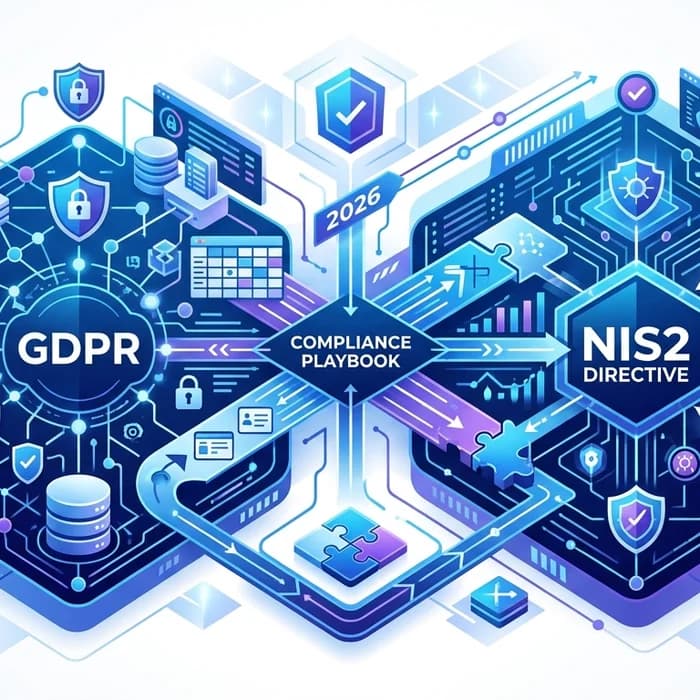
NIS2 vs GDPR: 2026 Compliance Playbook for Security and Legal Teams
Brussels is turning up the heat. If you’re still treating cybersecurity as “just IT,” 2026 will be the year that changes. In today’s Brussels briefings and national regulator updates, the message is unmistakable: boards and CISOs must prove operational resilience as well as privacy governance. This article unpacks NIS2 vs GDPR in plain language—what’s different, what overlaps, where fines bite—and how to operationalize both without leaking sensitive data during audits, legal reviews, or AI-driven workflows.
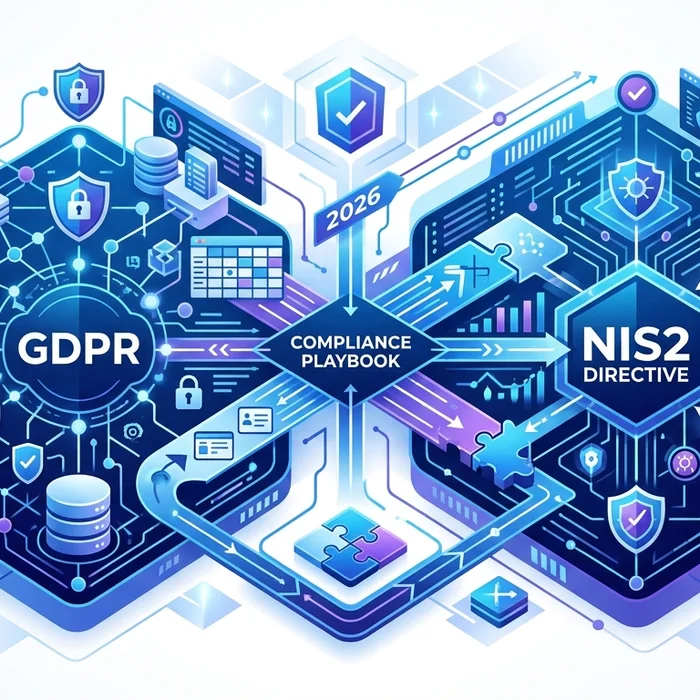
NIS2 vs GDPR at a glance
- GDPR protects personal data and individual rights; NIS2 hardens essential/important entities and their supply chains.
- GDPR breach reporting is 72 hours; NIS2 is a staged 24h/72h/one-month sequence in many national laws.
- Fines: GDPR up to €20M or 4% of global turnover; NIS2 up to €10M or 2% plus management accountability.
- 2026 trend: regulators expect continuous evidence—policies, logs, supplier controls, incident rehearsal—not just paper compliance.
| Topic | GDPR | NIS2 |
|---|---|---|
| Core objective | Protect personal data and data subject rights; lawful processing, transparency, purpose limitation. | Increase cyber resilience of essential/important entities and their supply chains; ensure service continuity. |
| Scope | Any controller/processor handling EU residents’ personal data. | Sector- and size-based “essential” and “important” entities (e.g., energy, health, finance, digital infra, telecoms, public administration in many states). |
| Obligations | DPIAs, records of processing, DPO in some cases, data minimization, privacy by design, processor contracts (Art. 28). | Risk management measures, incident reporting, business continuity, vulnerability handling, supplier oversight, security audits, management oversight. |
| Incident reporting | Supervisory authority within 72 hours of becoming aware of a personal data breach impacting rights/freedoms. | Early warning (often within 24h), incident notification (72h), final report (by one month), per national transposition. |
| Fines | Up to €20M or 4% of global annual turnover. | Up to €10M or 2% of global annual turnover; management liability and temporary suspension measures possible. |
| Third-party risk | Processors must provide sufficient guarantees; data processing agreements mandatory. | Explicit supplier and supply chain security oversight; life-cycle vulnerability and patch management, coordinated disclosure. |
| Focus | Personal data protection and rights. | Service resilience, operational security, and sector-wide risk reduction. |
| Proof expected | Policies, RoPA, DPIAs, DPA response readiness, testing of privacy controls. | Threat-led testing, playbooks, logs, patch cadence, third-party assurances, board reporting, red/blue exercises. |
Why NIS2 vs GDPR matters more in 2026
In this quarter’s exchanges with EU officials and CAs, regulators emphasized that GDPR and NIS2 “interlock” but do not duplicate. A CISO I interviewed put it bluntly: “GDPR is why legal calls me; NIS2 is why the board calls me.” The convergence of privacy breaches with operational outages—driven by identity-led intrusions, telecom backdoors, and zero-days disclosed in recent vendor advisories—means your response must meet both sets of expectations at once.
- Identity is the attack path: compromised admin tokens now pivot to exfiltration plus service disruption.
- Telecom and digital infrastructure operators are prime NIS2 targets; hospitals and fintechs face dual GDPR/NIS2 exposures.
- Brand hijacking via CDN/third-party exploits adds supply-chain accountability under NIS2.
Reporting clocks you cannot miss
- GDPR: 72 hours from awareness of a personal data breach likely to risk rights/freedoms.
- NIS2: Early warning within 24 hours (triage), a more complete notification at 72 hours, and a final report within one month (timelines vary slightly by Member State law).
Operational tip: rehearse an “overlapping incident” where you must notify both your DPA and your NIS2 competent authority. Build templates, decision trees, and a single evidence pack (logs, indicators of compromise, data impact, service impact).
Supply chain proofs are no longer optional
Under GDPR, a weak processor DPA is a privacy risk. Under NIS2, a weak supplier can trigger systemic service disruption—and regulator scrutiny of your supplier risk management. Expect auditors to ask for SBOMs or equivalent component visibility, patch SLAs, and evidence that you can sever or isolate a failing vendor without crippling operations.
Board accountability is explicit
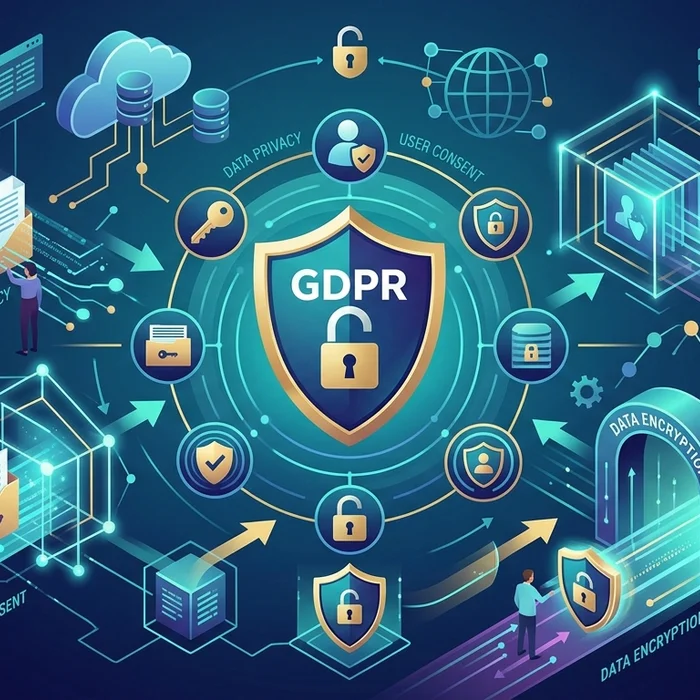
NIS2 names management responsibility. Minutes and training records will be requested. Tie cyber risk to business KPIs, adopt measurable security baselines, and document board briefings. GDPR already drove executive attention; NIS2 cements it with operational consequences.
A practical NIS2 compliance checklist (built for dual GDPR mapping)
- Classify: Confirm whether you are “essential” or “important” and map your services to national NIS2 law.
- Governance: Assign accountable executives; record board briefings and training (NIS2), maintain DPO where required (GDPR).
- Risk management: Establish a risk register linking threats to controls; include privacy and resilience impacts.
- Incident playbooks: Build integrated GDPR/NIS2 workflows with notification drafts and regulator contact lists.
- Detection and logging: Retain sufficient logs for forensics; document coverage, retention, and access controls.
- Vulnerability management: Define patch SLAs by severity; record exceptions and compensating controls.
- Business continuity: Test failover and recovery; evidence RTO/RPO aligned to critical services.
- Supplier oversight: Maintain SBOMs where possible; enforce security requirements in contracts; audit critical vendors.
- Data minimization and anonymization: Reduce personal data exposure in tickets, chat, and AI workflows.
- Evidence hygiene: Keep an audit-ready dossier—policies, diagrams, inventories, DPIAs, test reports, meeting minutes.
Handling personal data safely during audits: anonymization and secure document uploads
Most compliance failures I see don’t come from bad laws; they come from hurried evidence sharing—screenshots of PII in Slack, raw logs emailed to external counsel, or entire PDFs dropped into public LLMs. That’s a preventable privacy breach and a reportable incident.
- Problem: Data leaks while compiling audit packs, responding to regulators, or training AI copilots.
- Solution: Use an AI anonymizer to redact names, emails, IDs, IBANs, health terms, and free-text PII across PDFs, images, and office docs before sharing.
- Problem: Teams upload sensitive files to unsanctioned tools, fragmenting your evidence trail.
- Solution: Centralize via secure document uploads with strict access control, so counsel, auditors, and CSIRTs see the same sanitized package.
Professionals avoid risk by using Cyrolo’s anonymizer at www.cyrolo.eu. Try our secure document upload at www.cyrolo.eu — no sensitive data leaks.
Compliance note
When uploading documents to LLMs like ChatGPT or others, never include confidential or sensitive data. The best practice is to use www.cyrolo.eu — a secure platform where PDF, DOC, JPG, and other files can be safely uploaded.
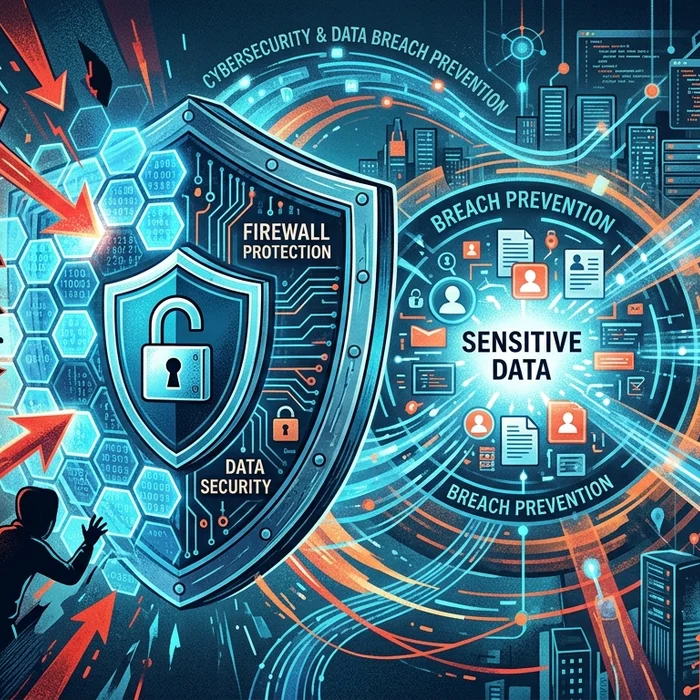
Operational playbook: mapping evidence once, serving two masters
Here’s how mature teams streamline NIS2 and GDPR:
- Single source of truth: One controlled repository for policies, DPIAs, risk registers, supplier attestations, and incident artefacts.
- Dual tagging: Tag each artefact with GDPR articles (e.g., Art. 30, 32, 33) and NIS2 control families (e.g., incident handling, supply chain, business continuity).
- Redaction-by-default: Automate anonymization before distribution to vendors, law firms, or regulators using an anonymizer, then attach the sanitized version to your case file.
- Board-ready metrics: Pair privacy KPIs (DPIA coverage, SAR turnaround) with resilience KPIs (MTTD/MTTR, patch latency, tested failovers).
EU vs US: different routes to the same destination
For multinationals, remember the divergence:
- EU: Horizontal privacy (GDPR) plus sector-spanning resilience (NIS2) with explicit regulator coordination.
- US: Sectoral privacy/security (HIPAA, GLBA), critical infrastructure directives, and incident reporting rules evolving through agencies. Less unified, but with fast-moving disclosure mandates and liability discussions.
Practical implication: your EU evidence pack (supplier controls, incident drills, privacy impact assessments) travels well across jurisdictions—if you keep it sanitized and centralized.
NIS2 vs GDPR FAQs
Is NIS2 the same as GDPR?
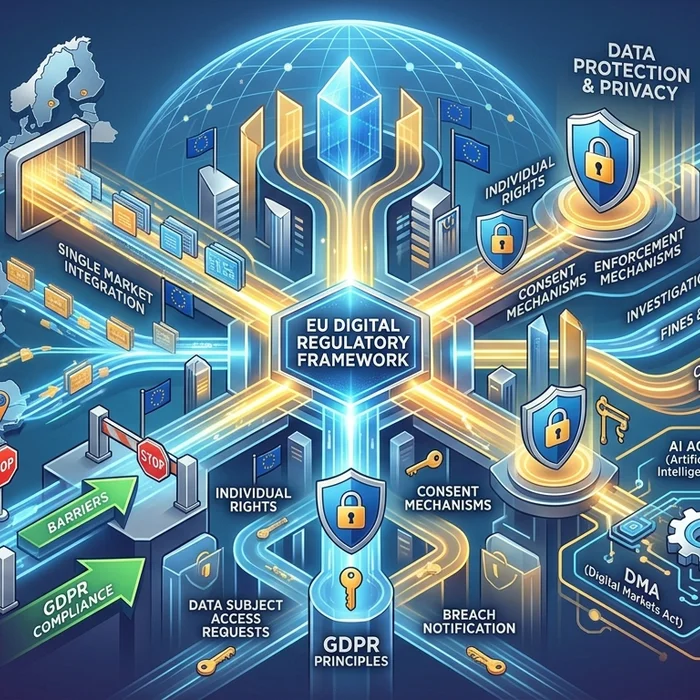
No. GDPR governs personal data and individual rights. NIS2 governs cybersecurity risk management and service resilience for essential/important entities and their suppliers. Many incidents trigger both (e.g., ransomware that exfiltrates PII and disrupts services).
Who is in scope for NIS2?
Entities in listed sectors (energy, transport, health, finance, digital infrastructure, telecoms, public administration in many Member States) that meet size or importance thresholds. Check your national transposition for exact designations and enforcement timelines.
What are the NIS2 fines compared to GDPR?
GDPR: up to €20M or 4% of global turnover. NIS2: up to €10M or 2%, plus management accountability and potential operational measures. Regulators expect demonstrable risk management and incident readiness.
How fast must we report under NIS2 and GDPR?
GDPR requires notifying the DPA within 72 hours of awareness if there’s likely risk to individuals. NIS2 typically requires an early warning within 24 hours, a 72-hour notification, and a final report within a month. Build joint workflows.
Can we use AI tools during investigations?
Yes—but never paste unredacted PII, system credentials, or proprietary content into public tools. Use an AI anonymizer and a secure document upload process to keep evidence under control.
Case notes from the field
Across banks, hospitals, fintechs, and law firms, I’ve seen three recurring pitfalls:
- Over-collection: Triage channels collect far more personal data than needed. Fix with data minimization defaults and automated redaction.
- Supplier blind spots: Great internal patching, weak third-party attestations. Normalize SBOMs, require vulnerability disclosure commitments, test isolation scenarios.
- Notification scramble: Teams debate scope while clocks tick. Pre-authorize thresholds and contacts; prepare regulator-facing narrative templates.
In this month’s Brussels meetings, regulators reiterated a simple test: if you can’t show the playbook, the logs, and the redacted evidence you shared, you don’t control your risk.
Conclusion: NIS2 vs GDPR—turn overlap into advantage
NIS2 vs GDPR is not a turf war; it’s a blueprint for resilience plus rights. Map your controls once, prove them continuously, and sanitize every artifact you share. To keep investigations, audits, and legal reviews compliant without accidental disclosure, use Cyrolo’s anonymizer and centralized evidence handling at www.cyrolo.eu—then face 2026’s scrutiny with confidence.
Sources & References
- 1Minutes - Monday, 23 February 2026 - Tuesday, 24 February 2026 - PE785.167v01-00 - Committee on Civil Liberties, Justice and Home AffairsEU Parliament LIBE · 2026-05-21T13:43:05.000Z
- 2Highlights - The state of play of the implementation of the Pact on Migration and Asylum - Committee on Civil Liberties, Justice and Home AffairsEU Parliament LIBE · 2026-05-21T13:02:09.000Z
- 3Press release - Victims of crime: improved legal protection and support systemsEU Parliament LIBE · 2026-05-21T11:03:04.000Z
- 4“Fight for Us, Not for Them”: A Public Interest Vision for EU Tech Policy — new speakers announcedEDRi · 2026-05-21T10:52:39.000Z
- 5Showboat Linux Malware Hits Middle East Telecom with SOCKS5 Proxy BackdoorThe Hacker News · 2026-05-21T14:17:09.000Z
- 6ThreatsDay Bulletin: Linux Rootkits, Router 0-Day, AI Intrusions, Scam Kits and 25 New StoriesThe Hacker News · 2026-05-21T11:52:14.000Z
- 7Microsoft Warns of Two Actively Exploited Defender VulnerabilitiesThe Hacker News · 2026-05-21T10:55:57.000Z
- 8When Identity is the Attack PathThe Hacker News · 2026-05-21T10:30:00.000Z
- 9Chinese APTs Share Linux Backdoor in Central Asia Telco AttacksDark Reading · 2026-05-21T14:00:00.000Z
- 10Content Delivery Exploit Opens Websites to Brand HijackingDark Reading · 2026-05-21T13:05:00.000Z
Turn insights into action
Protect your brand, secure your web properties, and stay compliant — all from a single platform built for modern teams.
Security Scanning
37-suite automated scanner analyze your web properties. Get A+ to F security grading with actionable remediation steps.
Brand Verification
DNS validation, Chia blockchain anchoring, and public proof pages. Build trust with cryptographic evidence.
GDPR & Compliance
Article-by-article GDPR audits. Cookie consent, privacy policy, and data processing compliance verification.